The Best of Ads Archives
The Best Ad Campaigns of August 2026, Collected by The Best of Ads
 By Archit
·
·
5 min read
By Archit
·
·
5 min readAI-assisted
Quick summary
The idea: The article presents nine advertising campaigns from August 2026 collected by The Best of Ads, showing how brands pushed marketing into physical spaces and everyday experiences through spectacles, products, and unusual media placements.
The execution: Brands used various creative approaches, such as K18 rolling a massive hairball through Manhattan, Netflix placing a live performer inside a Billboard above Sunset Boulevard, Banco Pichincha using top streamers as pitchside ball boys, and IKEA displaying fractional emotional pricing based on daily life moments.
Why it matters: The article does not state why the campaigns matter in terms of commercial results, industry impact, or broader significance, other than noting that these nine diverse campaigns brought concrete ideas to public spaces before telling their full stories.
AI-generated from this article. For complete context and credits, read the full story.
August 2026 kept moving advertising into places where people could experience it. Netflix built a room above Sunset Boulevard, K18 rolled a hairball through Manhattan, and Banco Pichincha placed streamers beside the pitch. Meanwhile, familiar names, price tags, sunburns and pronunciation became ideas of their own.
These are nine campaigns from August 2026 collected by The Best of Ads, with the full story behind each one.
K18 | Tumblehair
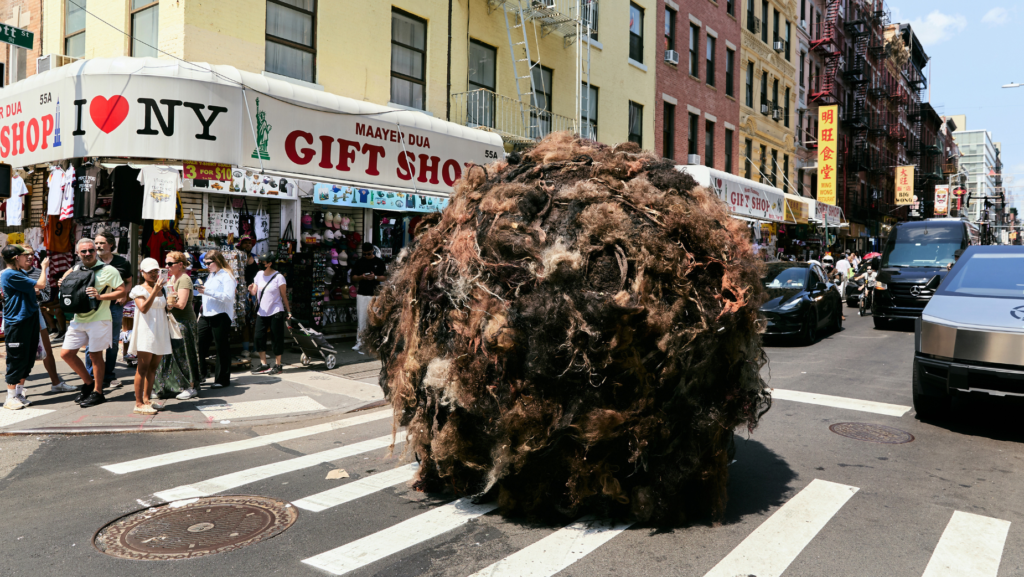
New Yorkers watched a 10-foot ball made from human and synthetic hair roll through Manhattan. Created with Uncommon Creative Studio, Tumblehair represented the 167 billion hairs K18 estimates the city loses through shedding each day. The strange object travelled through several neighbourhoods before leading people to the brand’s FutureIQ hair longevity serum. It made an invisible daily problem large enough to stop traffic, attract cameras and earn attention before the K18 name appeared.
Simple Mills | Announcing Absolutely Nothing
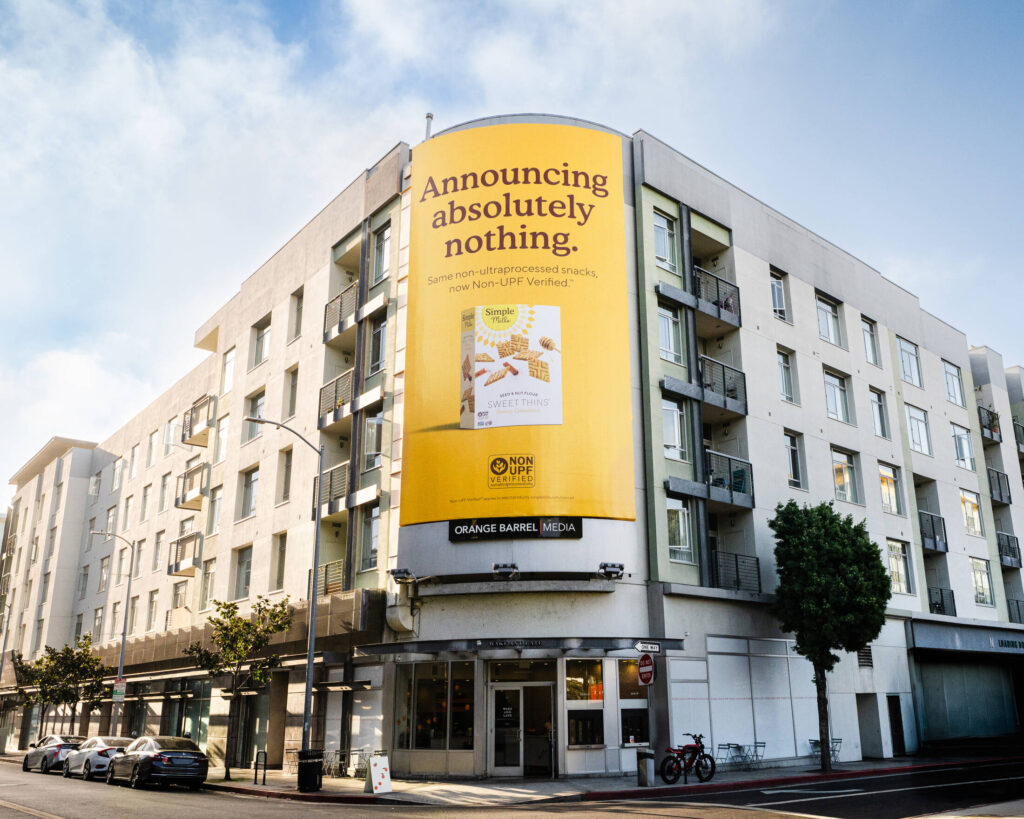
Simple Mills launched a national campaign to announce that they had changed absolutely nothing. Their products were receiving Non-UPF verification without new ingredients or reformulated recipes, so continuity became the news. Zulu Alpha Kilo carried the contradiction across transit takeovers, digital billboards, print, social content and sky banners. The large media placements suggested an important product launch, only to reveal that the same crackers, cookies and baking mixes had been suitable for the verification all along.
Banco Pichincha | Streamer of the Edge
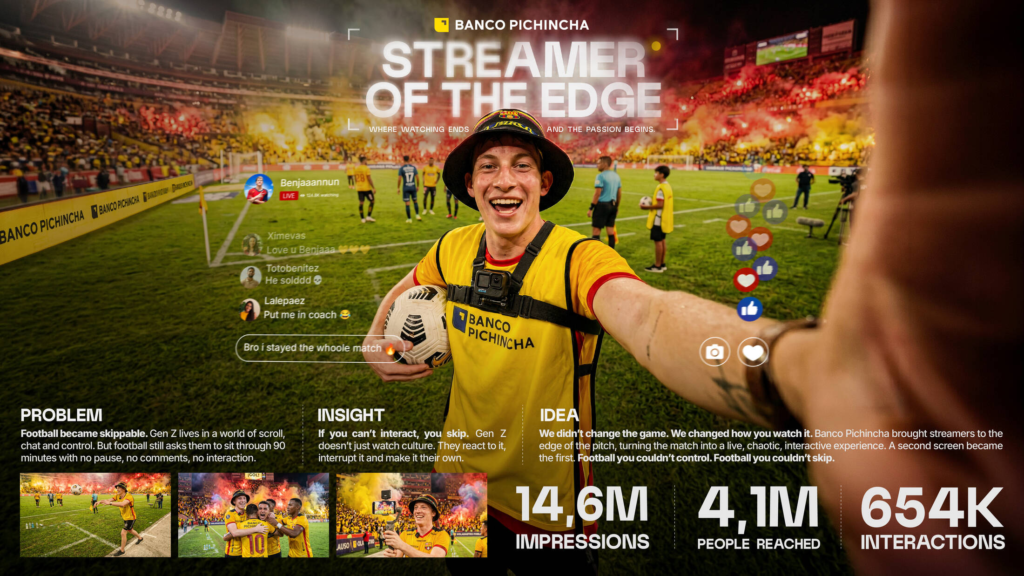
Banco Pichincha made some of Ecuador’s biggest streamers official ball boys during two major football matches. Their position beside the pitch gave them 90 minutes of unscripted reactions, player exchanges and matchday moments to share with their communities. Created with Delta MullenLowe, Streamer of the Edge gave the creators a real role inside the event instead of asking them to promote it from a studio. The touchline became their set, and the match decided the content.
IKEA | Emotional Pricing
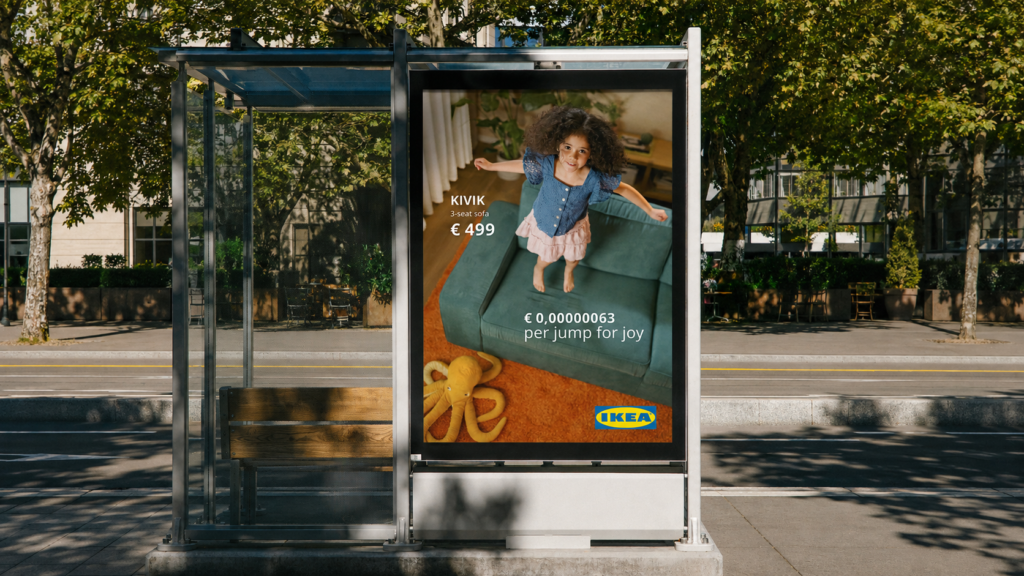
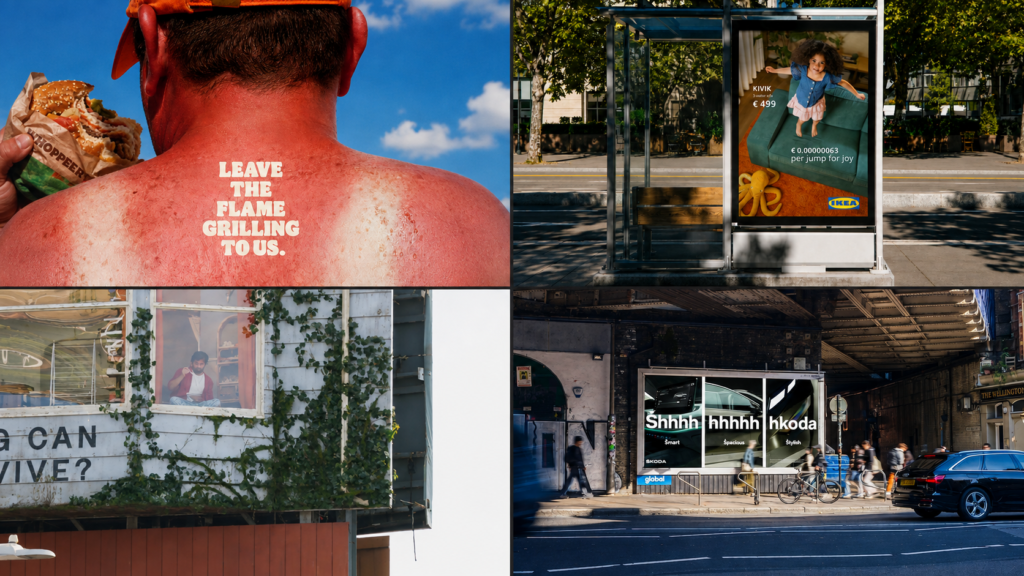
A piece of IKEA furniture could cost €0.0000024 per tail wag or €0.000000018 for every “once upon a time.” Emotional Pricing placed these unusual figures beside regular product prices to show the moments that might happen around the furniture over time. Created by Ogilvy Social.Lab for IKEA Belgium, the four-part outdoor campaign added more zeros after the decimal point instead of competing through another discount. The price tag still measured value, but the unit became personal.
Netflix | The Last House
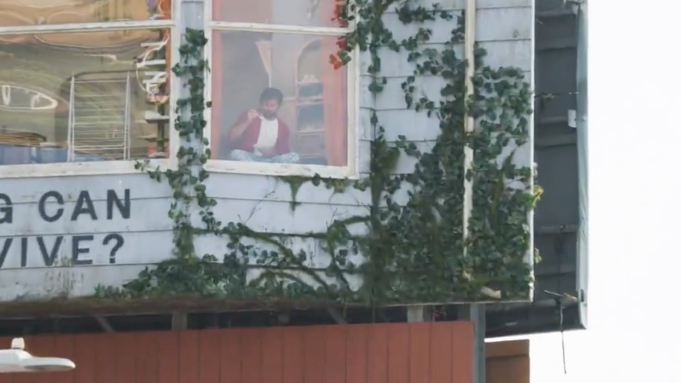
Netflix placed a performer inside a furnished billboard 30 feet above Sunset Boulevard. For three days, he read books, watched the traffic and communicated with people below through a whiteboard. The installation recreated the central problem in The Last House, a sci-fi thriller about a family mysteriously sealed inside their home. A comfortable living room became a public survival test, while the question beneath its window asked everyone watching how long they could survive inside.
Burger King | Pacha King
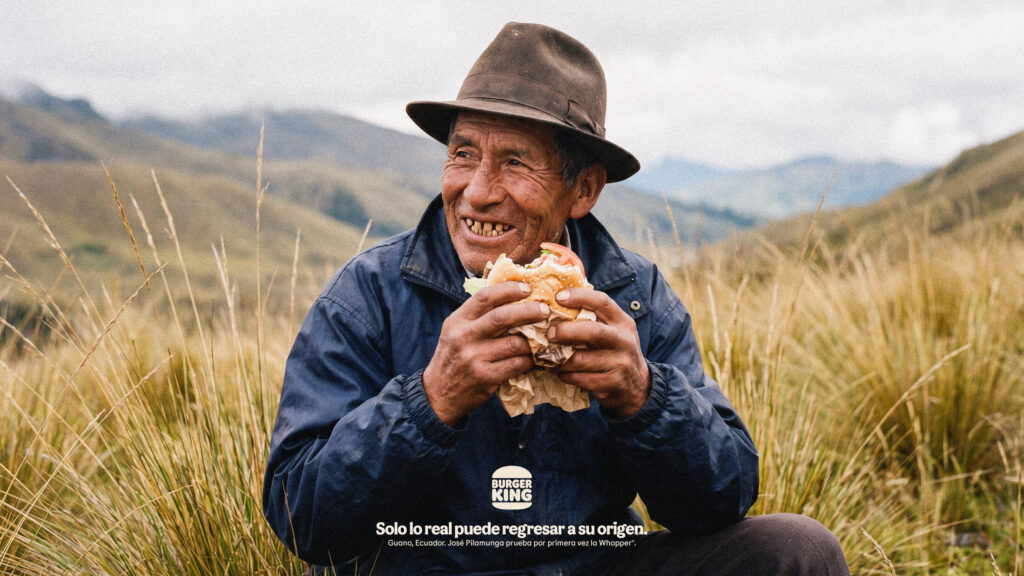
Burger King carried the Whopper back towards the Ecuadorian farms behind some of its ingredients. Local farmers were invited to taste the finished burger, often for the first time, bringing the beginning and end of the supply chain into the same story. BBA Ecuador recorded their reactions for the documentary campaign Pacha King, then photographed the farmers in the places where their produce was grown. The Whopper had travelled away from the restaurant to meet some of the people who helped make it possible.
Škoda | Šhhhkoda
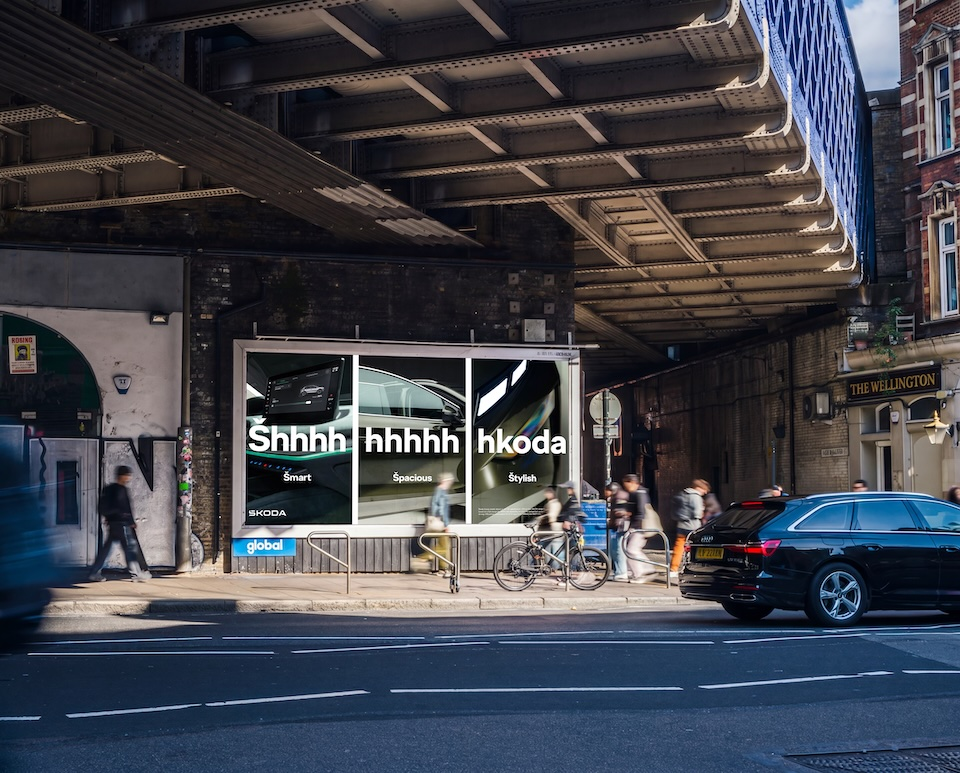
The small mark above the first letter of Škoda’s name became an entire campaign. Leo UK used the háček and the “sh” sound it creates to teach the correct pronunciation without making the lesson feel like a correction. The sound travelled from person to person in the film, stretched across London outdoor sites and created product words including “Šmart,” “Špacious” and “Štylish.” Šhhhkoda found a flexible brand platform inside a detail that had been visible in the name all along.
Domino’s | Garlic & Herb Ice Cream

Domino’s turned their Garlic & Herb dip into a limited edition ice cream by stirring the savoury sauce into dairy from Devon. The unusual flavour was served on Brighton seafront, where people could add another drizzle of dip on top of the scoop. Reactions to the combination became part of the campaign, while an online competition offered tubs to people willing to try it at home. No creative agency was publicly credited for the product-led summer experiment.
Burger King | Leave the Flame Grilling to Us
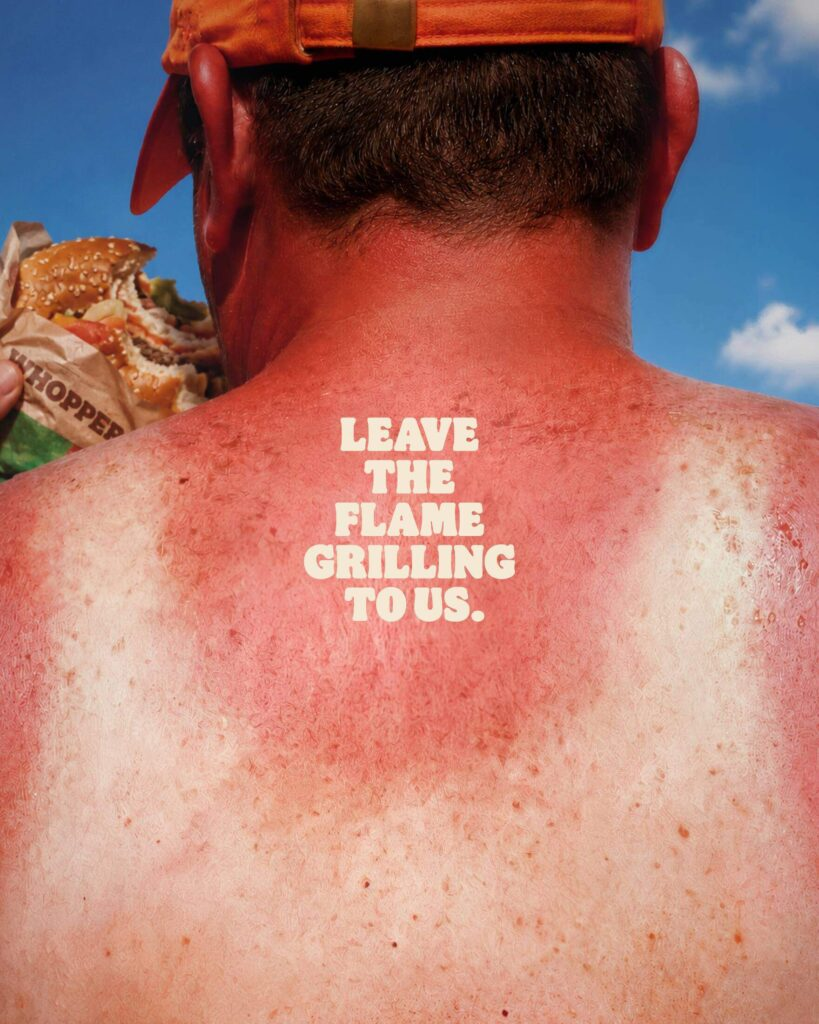
Sharp marks left by caps, sunglasses, necklaces and shorts turned severe sunburn into Burger King outdoor ads. Created by Happiness Brussels for Burger King Belux, the photographs appeared along the Belgian coast with the line “Leave the Flame Grilling to Us.” The sun had already created the setup on people’s skin, so the brand only needed to connect it with their flame-grilled burgers. Coastal trams, digital screens and posters placed the warning close to the summer behaviour behind it.
August put the ideas where people could see them
K18 and Netflix turned city spaces into physical spectacles. Banco Pichincha found a new view of football, while IKEA, Škoda and Simple Mills changed how people read familiar numbers, letters and labels. Domino’s moved their famous dip from the pizza box to an ice cream cone, while Burger King travelled between Ecuadorian farms and Belgium’s summer beaches.
Across all nine campaigns, the central thought appeared quickly. A hairball, a furnished billboard, a scoop of garlic ice cream or a burnt patch of skin gave people something concrete to notice before the longer story began.
Related
More in The Best of Ads Archives


Popular
Popular posts

More stories