Film
Pacha King: Burger King took the Whopper back to Ecuador’s farms
 By Archit
·
·
5 min read
By Archit
·
·
5 min read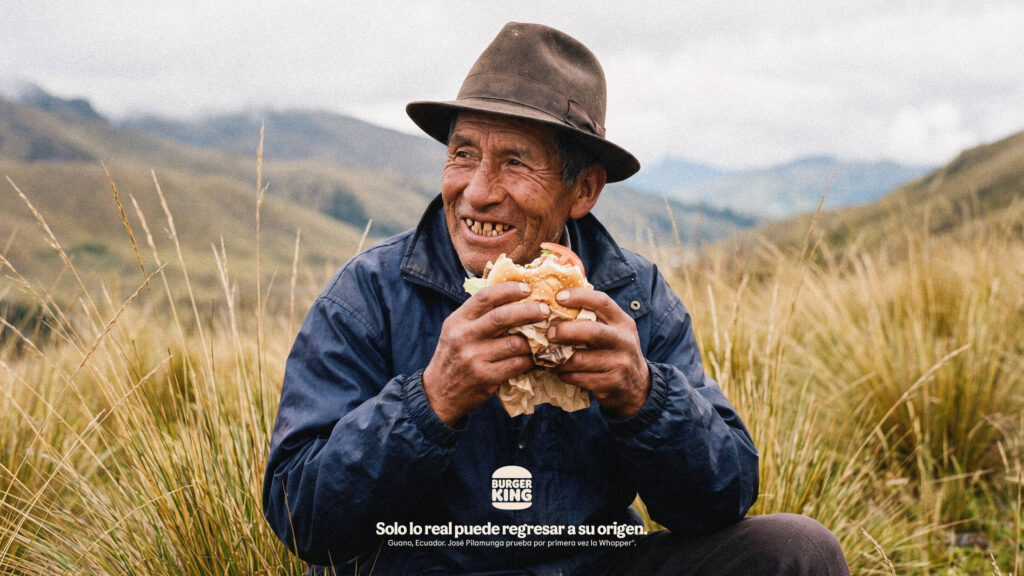
In July 2026, Burger King carried the Whopper away from its restaurants and back towards the farms behind some of its ingredients. Local farmers were invited to taste a Whopper made with produce they had helped grow, often for the first time. BBA Ecuador turned their reactions into the documentary campaign Pacha King.
The people at the beginning of the supply chain finally met the burger at the other end.
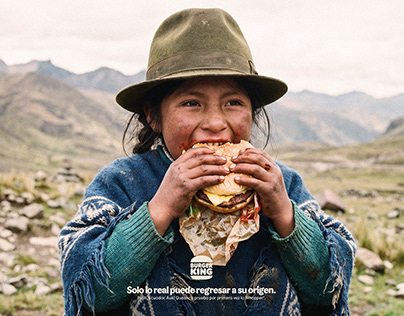
The Whopper began long before the restaurant
Customers usually encounter a Whopper after its ingredients have been prepared, assembled and wrapped.
The vegetables have already been washed and cut. The bread has been baked. Meanwhile, the people who grew parts of the meal remain outside the experience.
Pacha King reversed that journey.
Burger King travelled across Ecuador to visit agricultural communities connected with some of the Whopper’s ingredients. Instead of bringing the farmers into a restaurant, the brand carried the finished burger to the places where part of it had begun.
That change gave the product story a human centre.
The campaign did not rely on kitchen footage or a list of sourcing claims. Instead, it introduced viewers to people whose daily work contributed to the food inside the burger.
More importantly, those people were not used only as background figures. They became the audience for the product they helped make possible.
Farmers tasted the result of their work
The documentary recorded local farmers receiving and tasting a Whopper.
For some, it was their first time eating the burger. Their reactions became the main material of the film.
The structure created a simple exchange. Burger King had used ingredients connected with their work. Now the brand returned with the completed product and invited them to experience it.
That first taste linked two parts of the food system that customers rarely see together.
A farmer usually works with an individual crop rather than the entire meal it will eventually enter. After the produce leaves the farm, it may pass through several stages before reaching a restaurant.
The Whopper brought those separate ingredients together.
Meanwhile, the film brought the farmers and the final product into the same frame.
The campaign described the moment as proof of authenticity. However, its strongest point was more personal. The people shown did not need to explain the supply chain in technical language. Their presence established where the story had started.
The portraits stayed close to the land
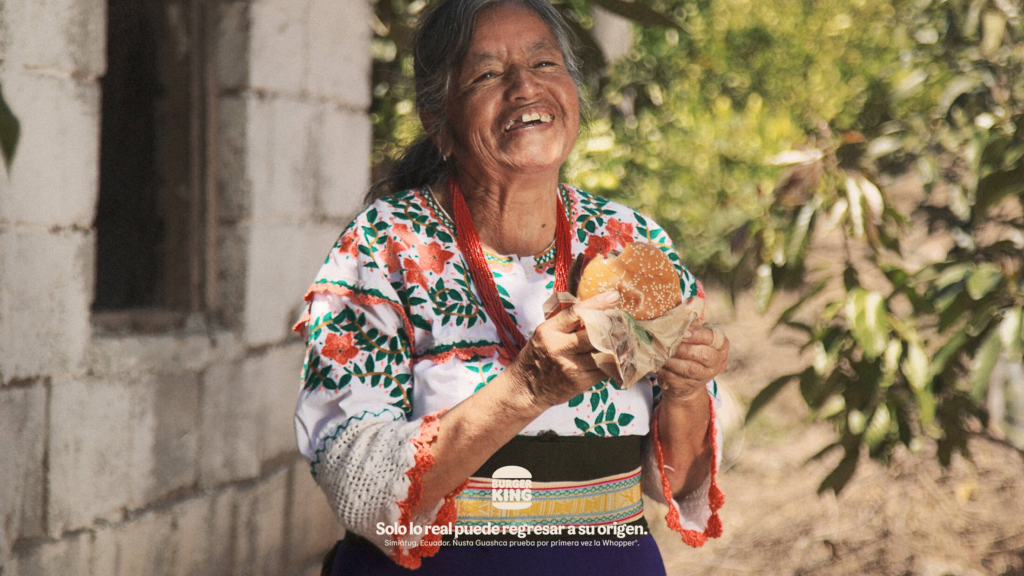
Pacha King continued through a series of print and outdoor images photographed in the locations where the ingredients were grown.
The portraits placed the farmers inside their own environment rather than moving them into a studio or Burger King restaurant. As a result, the land remained visible alongside the people responsible for working with it.
The campaign used the line, “Only the real can return to its origin.”
That thought connected the documentary journey with the still images. The Whopper had travelled back towards part of its origin, while the advertising showed the people and places waiting there.
The outdoor work also gave the farmers a different kind of visibility.
Food advertising often places the finished meal at the centre. A large burger photograph shows the layers, sauces and flame-grilled beef in careful detail.
Here, the people behind some of those layers became the subject.
Still, the Whopper remained necessary. It created the reason for the visit and completed the relationship between the portraits, the farms and the brand.
What Made It Different
Pacha King turned a sourcing message into a return journey.
Burger King could have filmed ingredients travelling from farms towards its kitchens. Instead, it moved the finished Whopper in the opposite direction.
That decision created the campaign’s most memorable moment. Farmers were not only shown producing food for someone else. They were invited to taste what their work had helped become.
The approach also gave Burger King a local Ecuadorian story without changing the product itself. The Whopper remained the same familiar burger. However, the people and landscapes around it revealed a part of its story that customers rarely encountered.
No reach, sales or brand results were included with the campaign’s initial release. Therefore, it is too early to judge its effect beyond the film and imagery.
Even so, the idea was complete before any figures arrived.
The Whopper travelled back to the land.
The people who helped begin its journey were waiting at the table.
Credits
Pacha King (2026) — Burger King, Ecuador. Agency: BBA Ecuador. Chief Creative Officer: Bryan Recalde. General Creative Director and Copywriter: Luis Barrera. General Art Director and Art Director: Edwin Simbaña. Creative Director: Luis Campoverde. Graphic Design: Damián Palacios. Multimedia Animation: Luis Barrera and Jesús Muñoz. Account Leadership: Francisca Frisch, Juan Pablo Morán and Dayana Tupiza. Operations: Francisco Villamarín. Production: Fabryca. Photographer: Diego Molina. Client: Julian Quintero. Media: documentary film, print and outdoor.
Related
More in Film

Popular
Popular posts


More stories