Digital
Anti-Paparazzi Pack: Heineken hid its labels after a celebrity brand slip
 By Archit
·
·
4 min read
By Archit
·
·
4 min readAI-assisted
Quick summary
The idea: Heineken capitalized on an accidental social media post showing actor and Corona ambassador Bruna Marquezine holding a Heineken bottle in a photo shared by Shawn Mendes. Although the photo was quickly deleted, screenshots circulated, prompting Heineken to launch a fictional Anti-Paparazzi Pack just four days later.
The execution: Created for Heineken Brazil with LePub, the fictional pack used a plain green carton to cover the bottle labels while leaving the green glass visible. Corona responded the next day with a video of Marquezine revealing a Corona Cero and joking about audience expectations. Neither product concept required a physical manufacturing rollout.
Why it matters: The article does not report verified reach, engagement, or sales results.
AI-generated from this article. For complete context and credits, read the full story.
A birthday post involving Shawn Mendes, Bruna Marquezine and the wrong beer gave Heineken an unexpected marketing opportunity.
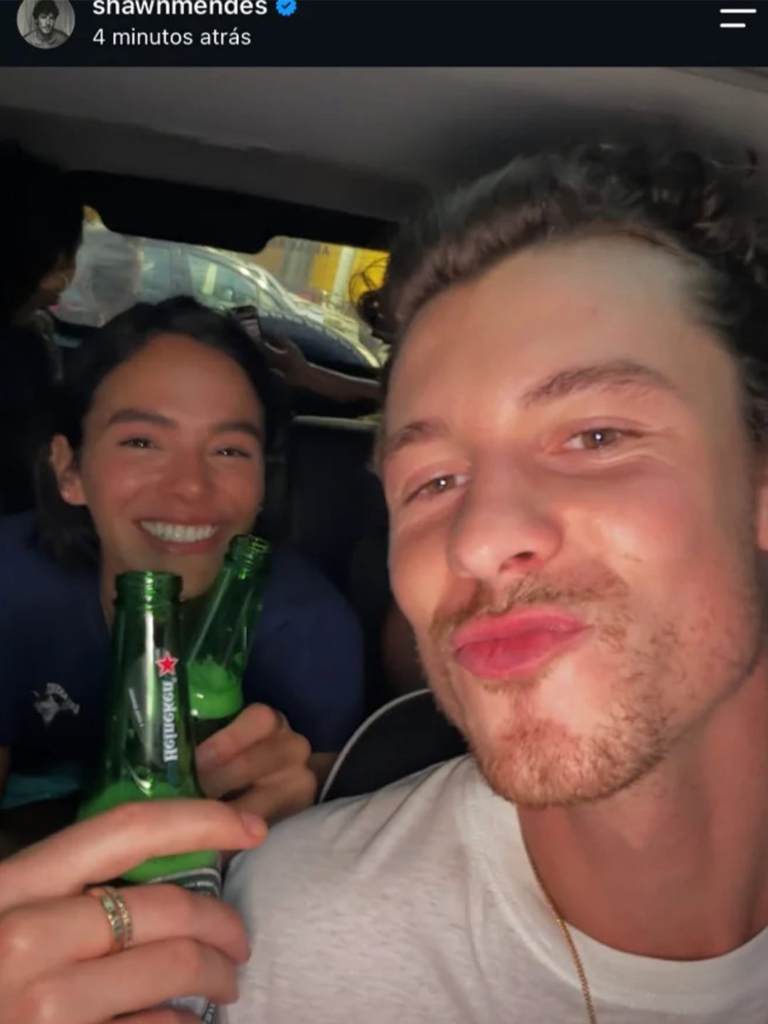
On August 4, 2026, Mendes published a collection of photographs and videos celebrating Marquezine’s birthday. One image showed the couple holding bottles of Heineken.
The problem was that the Brazilian actor is an ambassador for Corona.
The photograph was quickly removed from the carousel, but screenshots had already begun circulating. Four days later, Heineken joined the conversation with the fictional “Anti-Paparazzi Pack.”
One bottle created an awkward brand moment
Celebrity partnerships usually expect an ambassador to avoid appearing publicly with a competing product.
The photograph therefore attracted more attention than an ordinary image of two people holding beer. Marquezine was carrying one of Corona’s main competitors while being photographed by a celebrity with millions of followers.
Deleting the image did not stop the conversation. Its removal made the detail feel more significant and encouraged people to share screenshots.
Heineken had already received valuable exposure without paying for the placement. The brand then extended the moment with a packaging joke designed specifically for the situation.
The pack covered every bottle label
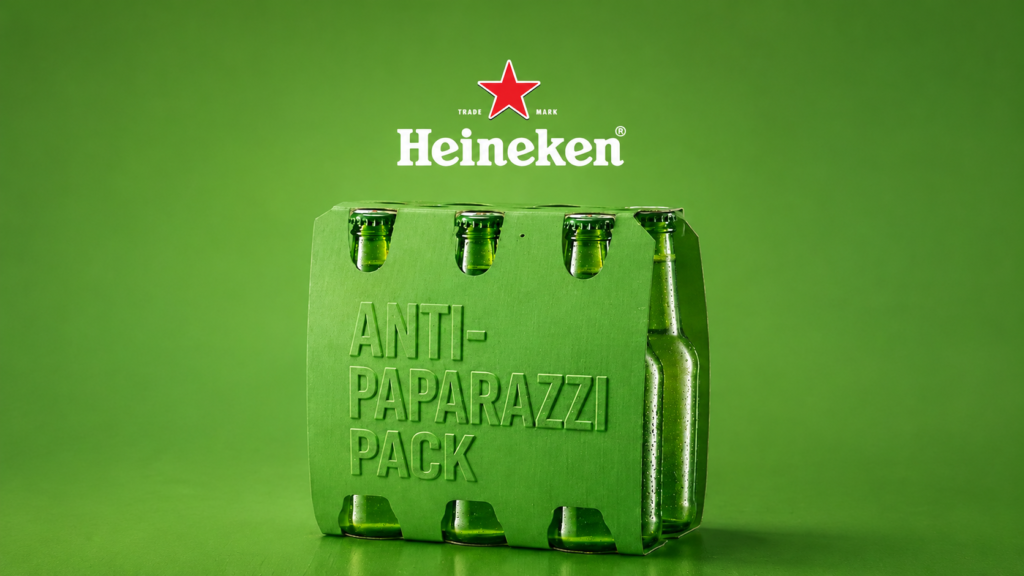
Heineken revealed the Anti-Paparazzi Pack on August 8.
The concept used a plain green carton that surrounded the bottles and covered their labels. Only the green glass around the necks and bases remained visible.
The pack appeared to provide celebrities with a way to carry Heineken without allowing photographers to identify the brand.
Heineken presented the design with the question, “Which celebrity would love it?”
The copy did not name Marquezine, Mendes or Corona. Anyone who had followed the original incident could understand the reference, while everyone else could still recognise the broader joke about celebrity endorsements.
The product existed only as a social response
The Anti-Paparazzi Pack was not released for sale. It was a fictional packaging concept created for social media.
This allowed Heineken to move quickly. The brand did not need to manufacture and distribute a new product before responding to the conversation.
The visual did the work of a complete campaign. The covered labels explained the problem, while the recognisable green bottles made it clear which beer was supposedly being hidden.
The idea also carried an intentional contradiction. A pack designed to hide Heineken still looked unmistakably connected to Heineken through its shape and green colour.
The attempt to remove the brand made its visual identity more noticeable.
Corona responded with Bruna Marquezine
Corona entered the conversation the following day.
In a short video, Marquezine reached for a bottle without initially revealing its label. She took a sip of Corona Cero and then looked directly at the camera.
“What? What did you think it would be?” she asked.
The video used the audience’s knowledge of the deleted photograph to create its own joke. Viewers were encouraged to expect another Heineken before the Corona Cero bottle was revealed.
Corona did not issue a formal statement or distance itself from its ambassador. The brand used Marquezine herself to show that the partnership remained intact.
Both brands benefited from the same mistake
Heineken and Corona took different roles in the conversation.
Heineken treated the photograph as evidence that even an ambassador for another beer might want its product. Corona treated the incident as an opportunity to reaffirm its relationship with Marquezine.
The two responses created a sequence that audiences could follow. First came the original photograph, then its deletion, Heineken’s fictional pack and finally Corona’s reply.
Each stage added something without requiring a large campaign rollout.
Heineken gained attention from an appearance it had not arranged. Corona gained a piece of content featuring its ambassador and product. Marquezine moved from being the subject of the joke to delivering its final line.
The response depended on speed and restraint
The Anti-Paparazzi Pack appeared four days after the original post. That timing allowed Heineken to respond while screenshots and comments were still circulating.
The brand also kept the execution limited to one clear visual idea. It did not explain the celebrity partnership or directly criticise Corona.
The audience had to connect the fictional packaging to the deleted photograph. Understanding that reference became part of the entertainment.
No verified reach, engagement or sales results were announced for the response. Its value came from how quickly an unplanned cultural moment became a conversation between two competing brands.
Credits
The Anti-Paparazzi Pack was created for Heineken Brazil as a real-time social response in August 2026, with LePub associated with the creative work. The original moment involved Canadian singer Shawn Mendes and Brazilian actor Bruna Marquezine. Corona Brazil, part of Ambev, responded with a follow-up video starring Marquezine and featuring Corona Cero. Full individual creative, production and media credits were not publicly released.
Related
More in Digital


Popular
Popular posts
More stories