Digital
SOS Condoms: Durex used GPS and disguised couriers to deliver protection within an hour
 By Archit
·
·
6 min read
By Archit
·
·
6 min readAI-assisted
Quick summary
The idea: Durex and agency Buzzman launched SOS Condoms in Dubai to solve the problem of people needing protection immediately but lacking access due to embarrassment, cultural sensitivities or ruined moments.
The execution: Operating between 4pm and 4am in 2013, the service used an iOS app and website with GPS tracking to deliver condoms within an hour. To ensure absolute privacy, couriers arrived in disguises, such as pizza delivery workers, police officers or lost tourists.
Why it matters: The campaign transformed advertising into a practical utility by addressing behavioral barriers to safe sex through humor and on-demand delivery. A subsequent public vote to expand the service internationally famously went viral when online users rallied to select the city of Batman, Turkey.
AI-generated from this article. For complete context and credits, read the full story.
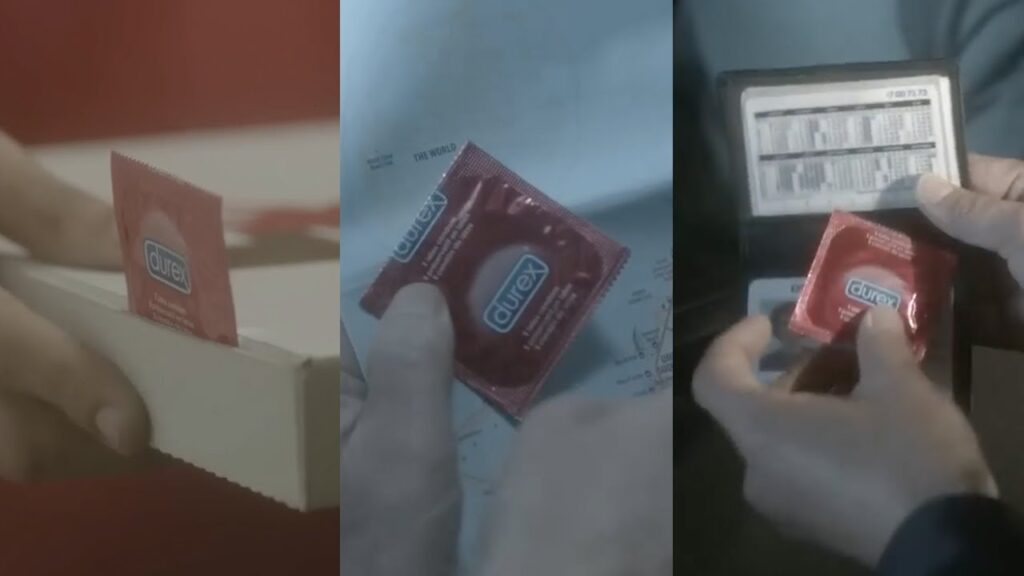
Durex launched an emergency service that delivered condoms to people anywhere in Dubai within one hour.
Created by Buzzman Middle East in 2013, “SOS Condoms” used a mobile app and dedicated website to solve a familiar problem: realising that protection is unavailable at the moment it is needed.
Customers could select a Durex product, share their location and choose a discreet delivery method. The courier might appear as a pizza delivery worker, police officer or tourist asking for directions.
The campaign turned Durex from a product advertised around safe sex into a service that helped make it possible.
A forgotten condom became a delivery problem
The idea began with a simple behavioural insight. People may understand the importance of condoms but still forget to purchase or carry one.
When that happens, visiting a shop can interrupt the moment, while embarrassment or fear of being recognised may discourage someone from buying protection.
The issue was particularly relevant in Dubai, where open conversations about sex could be culturally sensitive.
Instead of creating another message reminding people to plan ahead, Durex responded to what happened when they did not.
If food and other everyday products could be delivered on demand, the campaign argued that protection should be available through a similarly convenient service.
The app used GPS to find customers
SOS Condoms was available through an iOS application and dedicated website.
After opening the service, users could locate themselves through their phone’s GPS and choose from three Durex products. Orders could be placed between 4pm and 4am, covering the hours when the service was most likely to be needed.
A professional delivery team then brought the selected condoms to the customer’s location within an hour.
The service could reach people at home, inside a parked car or at another location where a conventional address might be inconvenient. GPS made the customer’s immediate position more important than their official residence.
Payment was completed when the product arrived, reducing the number of steps between recognising the problem and receiving protection.
Discretion was designed into the service
Fast delivery solved only part of the problem. A courier openly arriving with Durex products could create another uncomfortable situation.
SOS Condoms therefore allowed deliveries to be disguised as ordinary encounters.
A courier could arrive carrying a pizza box, approach the customer while appearing to ask for directions or conduct an interaction that looked like a conversation with a police officer.
The condoms could then be transferred without announcing the real purpose of the visit to anyone nearby.
Discretion was not treated as an additional promise in the advertising. It became part of the service design and an option customers could select according to their situation.
This made SOS Condoms useful for people worried about neighbours, family members, hotel staff or passers-by noticing the delivery.
The launch film played like a secret operation
An online film demonstrated the service through several couples who suddenly discover that they do not have a condom.
One couple is at home, another is together inside a car and a third situation takes place outdoors near a public telephone box.
Each customer uses SOS Condoms and receives a carefully disguised delivery. A pizza handover, roadside police encounter or apparently lost tourist becomes a secret exchange.
The film borrows the visual language of spy stories and emergency services, turning a potentially awkward subject into light comedy.
Its humour comes from the seriousness with which every delivery is performed. The couriers behave as if they are handling a confidential mission, while the audience understands that the package contains an everyday sexual-health product.
Durex transformed advertising into utility
Most condom advertising communicates protection, pleasure or product performance. SOS Condoms addressed the practical barrier between those messages and actual behaviour.
The campaign did not only tell people to use a condom. It created a way for them to obtain one when ordinary purchasing options felt unavailable.
This made the service itself the advertisement.
Every successful delivery demonstrated the product’s importance, Durex’s understanding of the situation and the brand’s willingness to remove a barrier to safer sex.
The idea also anticipated the rapid growth of location-based ordering and on-demand delivery services. In 2013, using a phone to summon a product to a precise location was still novel enough to become a central part of the story.
The planned expansion became a social media warning
Dubai was intended to serve as a test market before SOS Condoms expanded to additional cities.
Durex invited social media users to vote for the location that should receive the service next. Instead of limiting the choices, the campaign allowed people to nominate and support any city.
Internet users organised around Batman, a city in a conservative region of Turkey. It received more than 1,700 votes and finished ahead of major cities including London, Paris, New York and Kuala Lumpur.
The unexpected result turned the expansion vote into a widely discussed example of how an open social media campaign can be redirected by participants.
Durex did not announce a launch in Batman, and the international version of SOS Condoms did not develop into a permanent global delivery service.
The result did not remove the value of the original idea, but it demonstrated that brands lose part of their control when public participation becomes the campaign mechanism.
The campaign made preparedness feel immediate
SOS Condoms approached sexual health through convenience, privacy and humour rather than fear.
The app removed several moments of friction at once. It located the customer, presented the available products, offered discreet delivery and brought protection within the hour.
Although the service was temporary, its central observation remains relevant: access can influence whether people act on what they already know.
By treating a missing condom like an urgent delivery request, Durex created a campaign in which the product, technology and message all performed the same role.
Credits
“SOS Condoms” was created for Durex by Buzzman Middle East in Dubai. Georges Mohammed-Cherif was CEO and Creative Director, Thomas Granger was General Manager, Adil Zghaoui was Executive Manager, Julien Levilain and Chloé Crémois were Account Managers, and Renaud Berthe was Strategic Planner. Regis Boulanger led art direction and Romain Repellin was Copywriter. Vanessa Barbel and Elodie Poupeau were TV Producers and Art Buyers, while Laurent Marcus, Julie Bourges and Romain Goutte handled web production. Hubert Munyazikwiye, Thomas Schmitt and Sandrine Girard led social media and public relations. Les Télécréateurs handled film production, Adrien Armanet directed the launch film and Anonymous managed digital production.
About the work
Campaign details
- Brand
- Durex
- Agency
- Buzzman
- Country
- United Arab Emirates
- Year
- 2013
Related
More in Digital


Popular
Popular posts

More stories