Film
The Real Finds the One: Tinder Thailand told singles to stop performing and start swiping real
 By Archit
·
·
6 min read
By Archit
·
·
6 min readAI-assisted
Quick summary
The idea: Tinder Thailand launched a campaign titled The Real Finds the One to address dating fatigue and challenge the curated sameness of modern dating profiles. Created by VML Thailand, the campaign encourages Gen Z singles to stop performing for mass approval and instead reveal the quirks, personal traits, and honest opinions they usually hide, using the central message that one percent right is all you need.
The execution: The campaign includes a film following three protagonists who highlight unconventional traits rather than conventional desirability signals. Additionally, outdoor advertising across sixteen high-traffic screens and BTS stations in Bangkok displays divisive confessions and opinions, functioning like public dating profiles to celebrate authenticity.
Why it matters: The article does not report campaign results, so its effectiveness remains to be seen.
AI-generated from this article. For complete context and credits, read the full story.

Tinder Thailand is challenging the carefully curated sameness of modern dating profiles with “The Real Finds the One,” a campaign encouraging Gen Z singles to show the interests, characteristics and personal quirks they might usually hide.
Created by VML Thailand, the campaign responds to dating fatigue by questioning the pressure to appeal to as many potential matches as possible. Instead of presenting an optimised version of themselves, Tinder asks users to be more honest and let compatibility do the filtering.
Its central message is expressed through a deliberately provocative calculation: “99% left is okay. 1% right is all you need.”
The percentages are not presented as performance data. They are a creative way of saying that one meaningful match with someone who appreciates the real person is more valuable than many matches attracted to a manufactured profile.
Dating profiles have started to look interchangeable
The campaign begins with the observation that dating apps can become a form of personal theatre.
Profiles are increasingly filled with the same signals of desirability: ceremonial matcha, European holidays, carefully recorded gym sessions, polished mirror selfies and claims designed to appeal to the widest possible audience.
Height is adjusted, unusual hobbies are hidden and personal opinions are softened. The result may attract more attention, but it can also create matches based on a character that will be difficult to maintain in real life.
Tinder Thailand describes this as a copy-and-paste dating culture. When everyone follows the same visual and behavioural script, profiles may appear attractive while revealing very little about the individuals behind them.
“The Real Finds the One” asks singles to stop building profiles for imaginary approval and start presenting something another person can genuinely recognise.
Three singles reveal what they usually hide
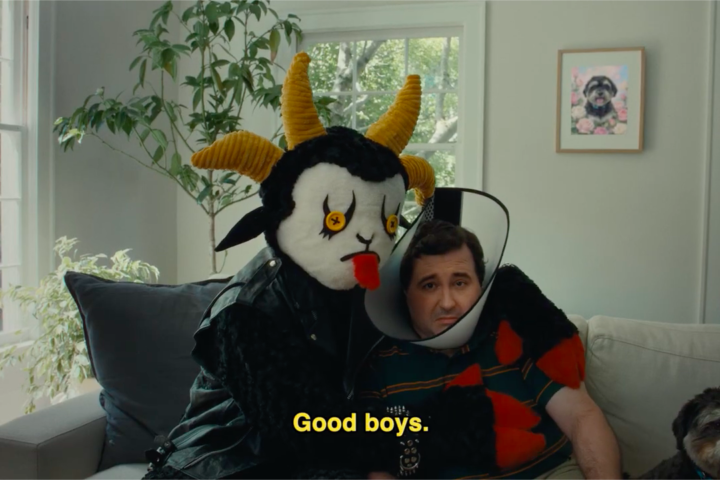
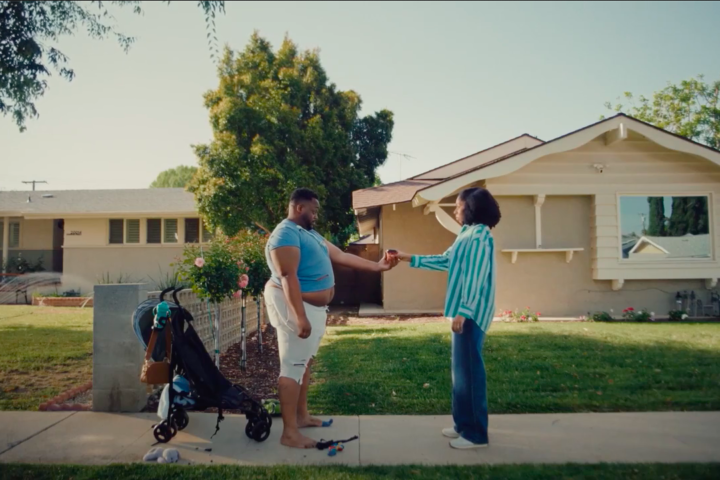
The campaign film follows three protagonists whose characteristics might not fit a conventional dating profile.
One is an adult man with hobbies that could be dismissed as childish. Another is a sweet-looking woman with an unexpectedly loud and uninhibited laugh. The third is a man who is honest about being under 165 centimetres tall.
Each person could hide, minimise or apologise for these traits. The film instead allows those qualities to become the centre of the story.
The exaggerated situations and offbeat humour present authenticity as something liberating rather than uncomfortable. What one person considers strange, immature or undesirable may be exactly what attracts someone else.
The film therefore reframes rejection. A left swipe does not automatically mean that someone has failed to present themselves well. It may simply mean the two people are not compatible.
One percent becomes the more valuable audience
Most platforms are designed around visible quantities. More likes, followers, views and matches can appear to represent greater success.
Tinder reverses that logic by suggesting that broad approval is not necessarily the right objective for dating.
A profile created to attract everyone may generate attention without helping someone find a suitable partner. A more honest profile might reduce the overall number of matches while improving the chances that the remaining connections are meaningful.
The line “1% right is all you need” turns selectivity into a benefit. It gives singles permission to be disliked by people who were never right for them.
In this framing, authenticity acts as a filter. The real person may attract fewer people, but those people have responded to something genuine.
Bangkok’s screens became public dating profiles
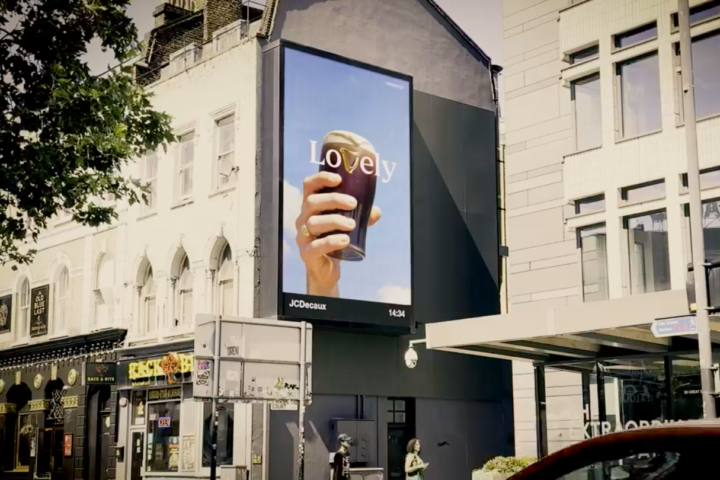
The idea extends beyond the film through outdoor advertising across 16 high-traffic screens in Bangkok and takeovers at BTS stations.
Instead of filling the city with polished statements about love, the campaign displays opinions and confessions that could easily divide potential partners.
The messages include declarations such as “Pineapple pizza is the GOAT,” “Sorry, matcha ain’t for me,” “Not a baby person,” “First date? Pay your half” and “Trips over wedding.”
Other executions celebrate specific personality traits with lines including “Pardon my ugly laugh” and “Not into 6-footers. Chihuahua energy only.”
The outdoor work behaves like a collection of unusually honest dating profiles. Every statement may cause some people to reject it, but it could also attract the person who shares the same opinion or appreciates the confidence behind it.
By placing those statements on some of Bangkok’s biggest screens, Tinder turns characteristics people might conceal into declarations large enough for the whole city to see.
“Swipe Real” changes the purpose of a profile
The campaign ends with the invitation to “Swipe Real.”
This does not mean sharing every private detail or ignoring personal safety. It asks users to move away from interchangeable profiles and provide enough genuine personality for compatibility to emerge.
An unusual collection, a divisive food opinion, a loud laugh or an honest height measurement can create a more useful starting point than another carefully composed photograph.
Showing these details may feel risky because they give others a reason to swipe left. Tinder’s argument is that they also give the right person a more meaningful reason to swipe right.
The profile stops being an advertisement designed for maximum reach and becomes an invitation intended for a compatible audience.
The campaign measures success through compatibility
“The Real Finds the One” responds to dating fatigue without promising that authenticity will make online dating effortless. People will still reject profiles, conversations will still end and many matches will not develop into relationships.
What the campaign changes is the interpretation of those outcomes.
If someone rejects an honest profile, the left swipe has saved both people from pursuing an unsuitable connection. If someone responds positively, the match begins with fewer false expectations.
No campaign results or changes in user behaviour have been announced. Its effectiveness will depend on whether the message encourages Tinder users to create more distinctive profiles and value compatibility over match volume.
The campaign’s immediate achievement is conceptual. It turns the fear of being rejected into permission to stop performing.
Ninety-nine people may swipe left. Tinder wants singles to focus on the one person who sees their unpolished reality and swipes right because of it.
Credits
“The Real Finds the One” was created for Tinder Thailand by VML Thailand. Senior Vice President, Match Group: Daniel Kim; Country Director, Tinder Thailand: Ranus Srirungruangdeja; Marketing Managers: Vorapat Vorapanya and Sutchaya Rongkavilit; Chief Creative Officer, VML Thailand: Park Wannasiri; Group Creative Director: Natkanate Ruengrujmethakul; Creative Group Heads: Rujrada Rienvatana and Vanalee Krairavee; Art Director: Nutkritta Lertpitiwatana; Project Manager: Nutthapol Thani; Production Manager: Supatra Assawateppitak; Chief Executive Officer: Parattajariya Jalayanateja; Head of Strategy: Sakila Banyen; Associate Strategy Director: Morakotchanok Chutikuntanakit; Business Director: Naruporn Rungruangchotikul; Group Account Director: Sukanda Chatthanyakit; Account Director: Kodchakorn Pattanakroo; Account Executive: Arison Chujitngamsuwong; Production Company: Unboxnow Co., Ltd.; Director: Littichai Siriprasitpong; Executive Producer: Arunwan So; Producer: Nattawan Luangmettakul; Post Producer: Nadia Ono; Assistant Director: Panyisa Jantarach; Production Manager: Supawee Jullabut; Director of Photography: Ariya Ruangsri; Editor: Jinnaphat Thammasan.
About the work
Campaign details
View original campaignRelated
More in Film


Popular
Popular posts




More stories