Case Studies
Roti Reminder: Lifebuoy stamped handwashing prompts onto 2.5 million rotis
 By Archit
·
·
5 min read
By Archit
·
·
5 min read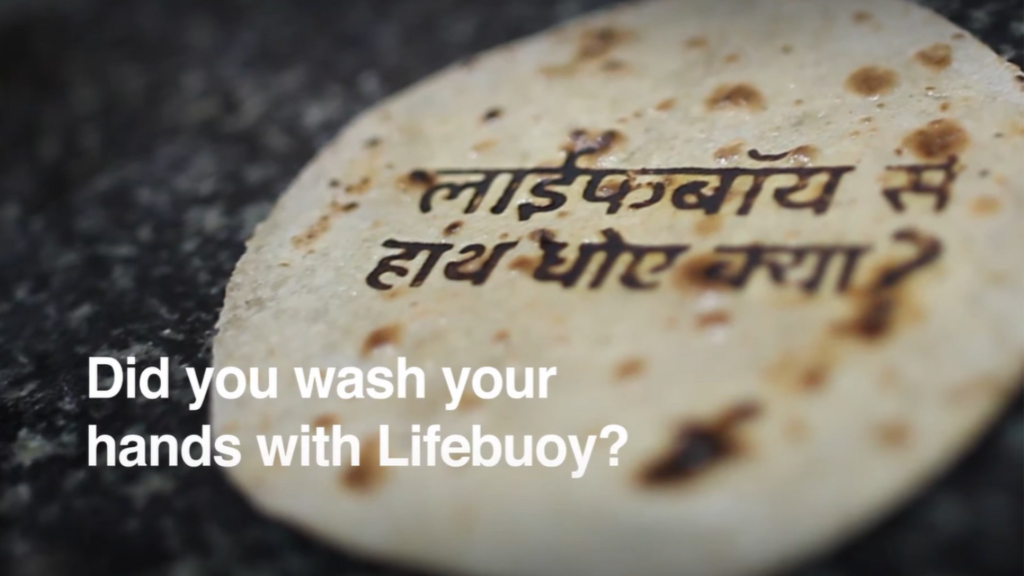
In February 2013, Lifebuoy printed a hygiene reminder directly onto the food people were about to eat. Special heat stamps marked millions of rotis with the Hindi message, “Lifebuoy se haath dhoye kya?” OgilvyAction India created Roti Reminder for the Maha Kumbh in Allahabad.
The message arrived after people had collected their meal but before their hands touched it.
The reminder appeared at the right moment
Lifebuoy wanted more people to wash their hands with soap before eating.
However, the behaviour was difficult to encourage through a general awareness poster. Someone might notice the message while walking through the festival, then forget it by the time they sat down for lunch.
The 2013 Maha Kumbh offered Lifebuoy a large but challenging audience. Millions of pilgrims visited the gathering, including many people from rural areas and smaller towns.
Food was prepared and served through kitchens, hotels and temporary dhabas across the site. Roti was a common part of those meals. More importantly, people usually tore and ate it with their hands.
OgilvyAction therefore moved the reminder away from the road and onto the meal itself.
A person could overlook a banner. The words printed on the roti were much harder to miss.
A heat stamp turned food into media
The agency developed a special heat stamp that could place a message onto a freshly prepared roti.
The Hindi line asked a simple question.
“Did you wash your hands with Lifebuoy?”
The stamp used heat rather than ink, leaving a visible mark on the bread without adding a printed label or piece of packaging.
Lifebuoy partnered with more than 100 kitchens, dhabas and hotels at the festival site. Around 100 promoters worked with the food providers to stamp the rotis before they were served.
The activation began on 1 February and ran for 30 days. Over that period, the campaign reported marking 2.5 million rotis.
Other signs and banners supported the message around the gathering. Still, the roti carried the main idea.
It was familiar, useful and already heading towards the exact moment Lifebuoy wanted to influence.
The medium completed the message
Roti Reminder worked because the advertising space and the desired action were closely connected.
The campaign was not asking people to remember a complicated health instruction. It was asking them to pause before eating and consider whether they had washed their hands.
The roti created that pause.
Furthermore, the medium reflected the behaviour being discussed. People were about to touch the bread with the same hands the message asked them to wash.
That relationship made the idea understandable across different levels of literacy. Someone could read the line directly, hear another diner explain it or recognise the Lifebuoy branding around the serving area.
The execution also fitted the setting. The campaign did not require visitors to download something, enter a separate experience or carry away a leaflet.
The reminder came with the meal.
After it had delivered the message, it could be eaten.
The Impact
The campaign’s awards submission reported a total investment of about $36,000.
It also reported five million direct contacts and around 80 million media impressions. Furthermore, Lifebuoy said the campaign helped the brand reach its highest market share in three years during February 2013.
These were campaign-reported results rather than an independent public-health study. Therefore, they do not show how many people changed their handwashing habits after seeing the message.
However, the idea succeeded in taking a familiar instruction to an unusually large audience at the moment it was most relevant.
Roti Reminder later received a Bronze Lion at Cannes Lions. It won the Grand Effie at the 2013 Effie Awards India and earned a Wood Pencil for Impact in 2014.
The recognition came from different areas of advertising because the campaign crossed several of them. It was an activation, an unusual form of media and a public-health reminder built into food.
Why It Still Works
Roti Reminder reduced the distance between a message and the action it requested.
A hygiene campaign could have explained the benefits of washing with soap through statistics, demonstrations or educational films. Lifebuoy instead asked one short question at the dining table.
The idea also used a culturally familiar object without changing its normal purpose. The roti remained part of the meal. Its surface simply carried one additional job before being eaten.
More than a decade later, the campaign is still remembered because its structure remains clear.
The message concerned hands.
The moment was mealtime.
The medium was the food those hands were about to touch.
Credits
Roti Reminder (2013) — Lifebuoy and Hindustan Unilever, India. Agency: OgilvyAction India and Ogilvy & Mather. President: Samir Gupte. National Creative Director: Vipul Salvi. Creative: OgilvyAction Creative Team. Client Servicing: Tarun Gupta. Production: Infiniti Films. Director: Vishal Mangalorkar. Producer: Pria Mundra. Director of Photography: Karthik Ganesh. Second Unit Camera and Editor: Rizwan Maple. Music: Sachin Mittra. Fabricator: Jay Sinha. Awards: Cannes Lions Bronze, Grand Effie India and D&AD Wood Pencil.
Related
More in Case Studies



Popular
Popular posts
More stories