Outdoor
Fake Celebrity Endorsements: Surreal hired famous names, not stars
 By Archit
·
·
5 min read
By Archit
·
·
5 min read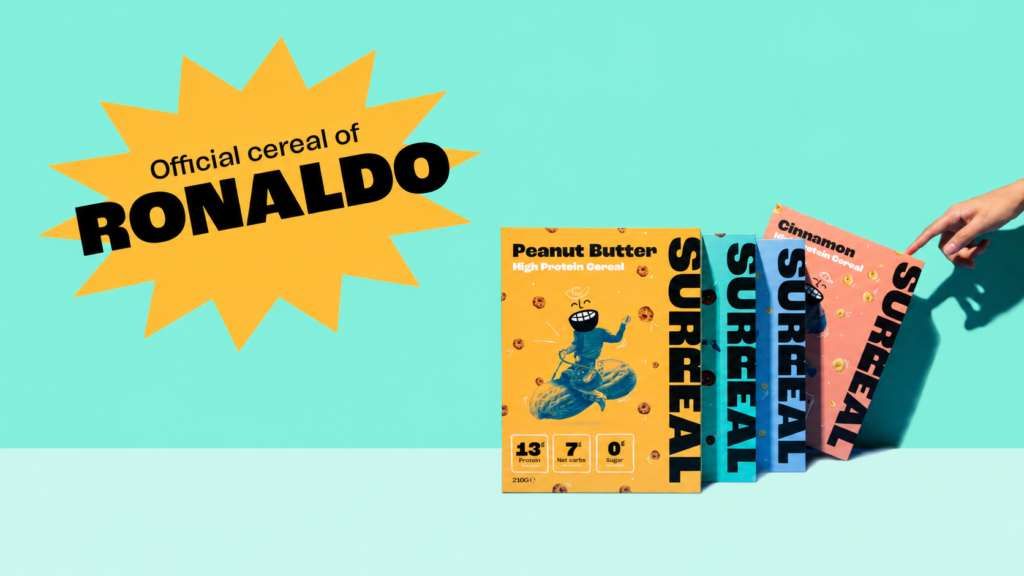
In March 2023, Surreal announced that Dwayne Johnson, Serena Williams, Michael Jordan and Ronaldo had endorsed its cereal. Every statement was technically true, but none referred to the celebrity people expected. Surreal developed the idea in-house and worked with Dirty Jack on a film featuring ordinary people who shared the famous names.
The campaign found a celebrity shortcut without pretending the real stars had taken part.
The brand wanted names it could not afford
Surreal was still a young British cereal company when it launched the campaign.
Its products offered high protein and zero sugar, but the brand was entering a category filled with established names and large advertising budgets. A genuine endorsement from a global athlete or actor would have created attention. However, it would also have cost far more than the company could reasonably spend.
The solution began with a distinction between a famous person and a famous name.
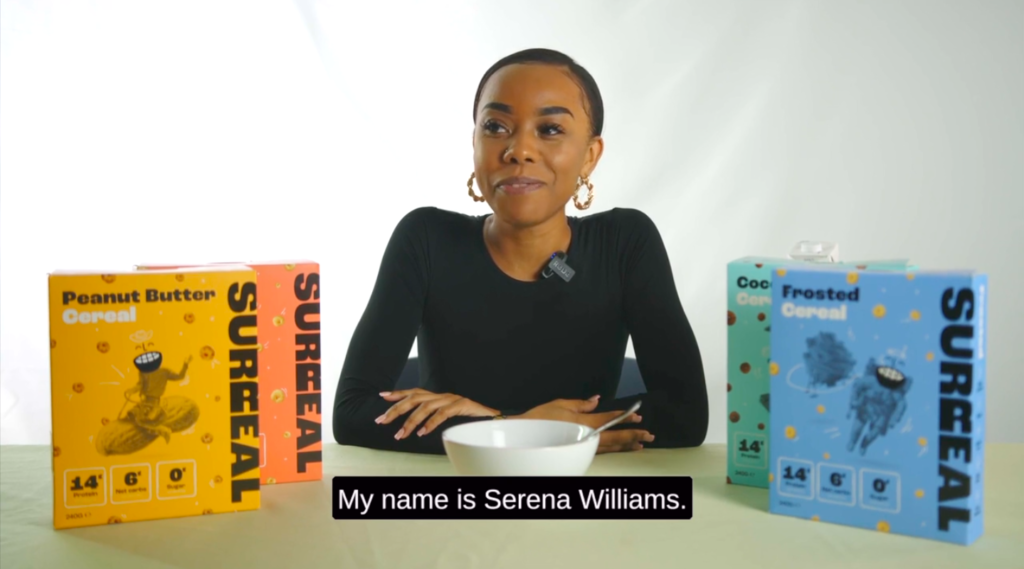
Surreal found a London bus driver called Dwayne Johnson. It also recruited people named Serena Williams, Michael Jordan and Ronaldo.
These were real individuals with real names. Therefore, Surreal could ask them to try the cereal, record their opinions and place their names across its advertising.
Dwayne Johnson reportedly received £200 for taking part. It was considerably less than the fee attached to the other Dwayne Johnson.
The asterisk carried the full joke
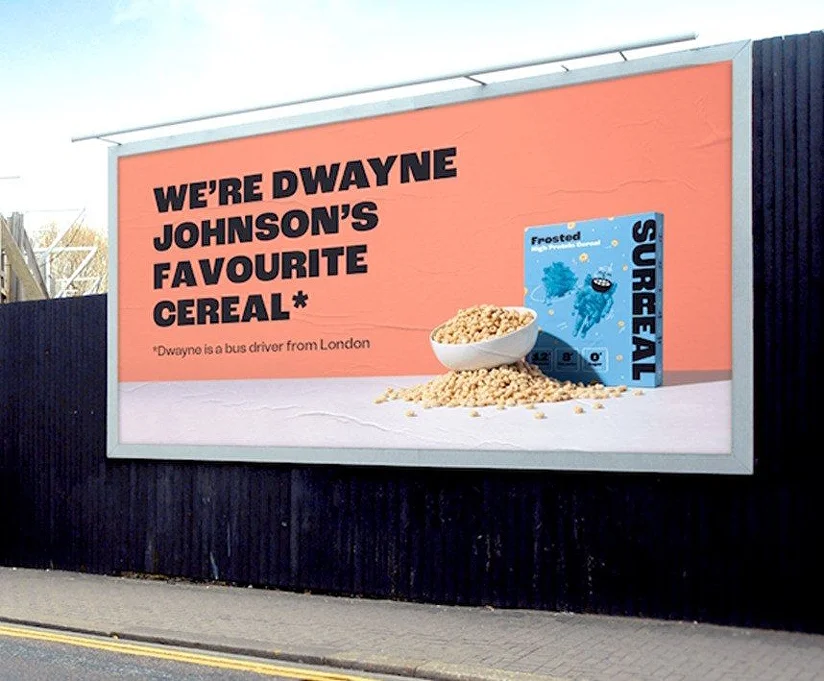
The outdoor advertisements looked like conventional celebrity endorsements at first glance.
“We’re Dwayne Johnson’s favourite cereal,” declared one execution.
A smaller line explained that Dwayne was a bus driver from London.
Another stated that Serena Williams ate the cereal. The clarification revealed that she was a student from London and had been paid to try it.
Michael Jordan was described as a normal man living in St Albans. Meanwhile, Ronaldo came with the warning that he was probably not the one people had in mind.
The copy depended on two stages of reading.
The famous name created the first reaction. The asterisk then changed the meaning of the entire advertisement.
That structure made the posters suited to social sharing. A photograph could deliver the setup and reveal together, allowing someone to understand the joke without seeing the physical site.
Surreal also resisted making every endorsement completely positive. In the campaign film, the participants tasted different cereals and gave their actual reactions. Dwayne approved. Serena was less convinced.
Her response made the stunt feel more genuine. Surreal had paid for access to the name, but it had not bought guaranteed praise.
The film introduced the people behind the names
Dirty Jack produced a two-minute film that brought the unlikely endorsers together.
The video allowed viewers to meet Dwayne Johnson the bus driver and Serena Williams the student rather than only reading about them in small print. Their ordinary lives created the contrast with the status normally attached to those names.
The campaign then travelled through outdoor advertising, TikTok, LinkedIn and X.
Campaign reporting credited the work with 20 million organic views within five days and a tenfold increase in brand engagement. Those figures came from the companies involved and were not independently audited.
Still, the spread of the campaign showed how efficiently the central device travelled. Surreal did not need viewers to recognise an unfamiliar spokesperson. The names had already earned attention elsewhere.
The brand borrowed that recognition, then made the misunderstanding part of the entertainment.
The joke did not reach everyone
The campaign required people to notice and understand the smaller explanation.
A later consumer test found that 52 percent of respondents shown the Dwayne Johnson advertisement believed it referred to the famous actor and wrestler. For the Serena Williams execution, that figure rose to 59 percent.
Some respondents also felt the posters said too little about the cereal itself. The same endorsement structure could have been used for several other products.
However, 68 percent believed the work matched Surreal’s light-hearted brand statement. The tested advertisements also produced above-average interest in trying or buying the cereal.
These findings revealed the exchange at the centre of the campaign.
The simple copy helped the work attract attention and travel online. At the same time, that simplicity left less space for product benefits and increased the chance that someone would miss the joke.
Surreal responded to legal and clarity discussions with another deliberately cautious advertisement. It replaced the celebrity-style claim with the line, “Someone you may or may not have heard of has eaten our cereal.”
The safer version removed much of the humour, which became the point of the follow-up.
What Made It Different
Surreal treated an advertising limitation as the source of the idea.
The brand could not afford famous endorsers. Instead of hiding that fact, it announced the limitation and found people whose names could create the same first impression.
The work also remained honest in a strangely indirect way. The people existed. Their names were accurate. They had tried the cereal. The asterisks supplied the context needed to understand each statement.
More importantly, the idea matched Surreal’s position as a smaller challenger. A polished campaign with a conventional spokesperson might have made the brand look like a reduced version of a larger competitor.
Hiring a bus driver named Dwayne Johnson made it look like Surreal.
Credits
Fake Celebrity Endorsements (2023). Surreal, United Kingdom. Creative: Surreal in-house. Senior Creative: John Thornton. Co-founder and marketing leadership: Kit Gammell. Film production and participant sourcing: Dirty Jack. Media: outdoor, film and social.
Related
More in Outdoor


Popular
Popular posts

More stories