Editor's Pick
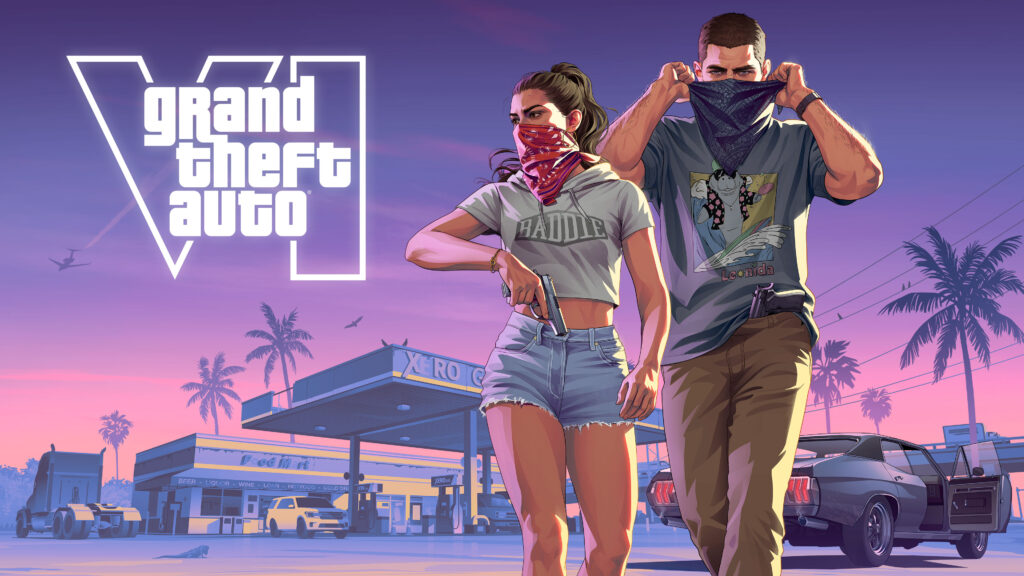
GTA VI brought Vice City onto Miami’s streets, beaches and skyline
 By Archit
·
·
5 min read
AI-assisted
Quick summary
Rockstar Games is promoting the upcoming November 19, 2026 release of Grand Theft Auto VI by bringing elements of Vice City into the streets, beaches, and skylines of Miami and Miami Beach. Ahead of the console launch, fans and visitors are documenting widespread campaign sightings across the city, ranging from skyline placements and aerial banners to branded beach chairs and neighborhood murals.
Fictional businesses from the game have also appeared in real-world settings, including Burger Shot and Cluckin’ Bell branding on concession stands inside the Kaseya Center. Other spotted elements include wrapped buses, character banners, and vehicles resembling fictional models driving down Ocean Drive, allowing people to encounter the game's world through their daily routines and travels.
AI-generated from this article. For complete context and credits, read the full story.
A blue beach chair carries pink Vice City lettering. Above the shoreline, a branded blimp crosses the sky. Inside the Kaseya Center, Burger Shot and Cluckin’ Bell appear on real concession stands.
Together, the sightings show GTA VI promotion spreading through Miami and Miami Beach. Some placements advertise the game directly through its characters. Others introduce names and businesses from its fictional world.
With Grand Theft Auto VI scheduled for November 19, 2026, the approach gives people ways to encounter Vice City before entering it on a console.
Miami supplies a fitting setting. Its streets and coastline already share the visual language associated with Vice City. Adding the game’s signs, vehicles and businesses makes familiar surroundings feel closer to their fictional counterpart.
A rooftop welcome introduces the city
One video pairs a nighttime aerial view of the “Welcome to Vice City” sign on the Kaseya Center roof with daytime footage of a brightly wrapped sports car.
The rooftop placement works at the scale of the skyline. Seen from above, the illuminated lettering gives the arena a second identity and makes the welcome part of a recognisable Miami view.
The contrast with the street footage captures the campaign’s range. Vice City appears both as a name viewed from a distance and through details encountered at pavement level.
A bus, a wall and a billboard share the view
Another clip captures three advertising formats within one street scene: a wrapped bus, a large wall execution and an elevated billboard.
The bus carries artwork featuring the game’s protagonists, Jason and Lucia. Related imagery across the surrounding surfaces creates repeated visibility as traffic moves past.
Further posts report a large character banner on the YVE Hotel and themed streetlight banners. These formats extend the promotion across moving vehicles, building façades and smaller roadside surfaces.
Their shared artwork connects individual placements into a broader presence around the city.
Vice City appears above the beach and on the sand
A beach video shows a Vice City-branded blimp overhead, with a plane towing another banner nearby. Closer to the ground, photographs show branded wooden deckchairs arranged on the sand.
The chairs use blue fabric, pink Vice City script and VI artwork on their backs. Their everyday function puts the promotion into the beach experience itself.
Aerial advertising catches attention from a distance. The furniture offers a closer encounter with the same identity, including something visitors can sit in and photograph.
The posts also describe further beach plans, including a Vice Beach sign, a themed lifeguard tower, a Muscle Beach container and workout equipment. These were presented as forthcoming, rather than shown as completed installations.
The vehicles give fans something to recognise
Several posts focus on cars spotted around Miami, including footage from Ocean Drive and a nighttime sports car marked “Vice Beach Police”.
One caption identifies real-world recreations of the Cheetah, Albany Manana, Buccaneer, Tempesta, Emerus and Coquette D10. Another frame shows a turquoise classic car with gold detailing.
Those identifications come from the social posts. The footage establishes the vehicles’ appearance, while their precise connection to Rockstar’s production remains unconfirmed.
Their visual appeal is clear: cars make the game-world references mobile. Fans can compare shapes, colours and fictional markings, then share what they recognise.
Posts also describe a film crew working with cars on Ocean Drive. That suggests promotional filming, although the screenshots do not establish the finished film or its intended use.
Wynwood and transit surfaces carry the references further
A nighttime frame shows illuminated Vice City lettering above a mural-covered wall in Wynwood.
The accompanying posts report themed Metrorail pillars, a Burger Shot advertisement, parking booths, additional murals in Wynwood and Little River, and a vehicle advertisement for the fictional service Rydeme.
These details move the campaign beyond its largest landmarks. They place references among the infrastructure and commercial messages people encounter while travelling through neighbourhoods.
The effect is to give the fictional city a presence through its own businesses and services.
Burger Shot and Cluckin’ Bell enter the arena
The clearest examples of fictional businesses entering a real venue appear inside the Kaseya Center.
Photographs show Burger Shot and Cluckin’ Bell branding across concession fronts, with visitors gathered nearby. Another image shows a “Macca & Friends” wall graphic carrying Weazel branding.
Food counters and entertainment graphics become recognisable pieces of the GTA universe, giving visitors more to discover than a conventional game poster.
The Miami Heat has separately confirmed “A Night in Vice City” for November 18, connecting the arena activity with a scheduled event.
Each sighting becomes another piece of the campaign
Much of the rollout reaches audiences through footage recorded by visitors and shared by fan accounts. A rooftop sign, a beach chair or a familiar fictional restaurant becomes a reason to post an update.
The sightings document visible installations alongside reports of what may come next. Proposed activations remain distinct from the work already photographed.
What connects them is their use of Miami as a setting. Characters appear on advertising, while Vice City’s name and fictional businesses enter the places where people travel, relax and eat.
Credits
Brand and game developer: Rockstar Games. Game: Grand Theft Auto VI. Locations documented or reported: Miami and Miami Beach, Florida, including Kaseya Center, Wynwood and Ocean Drive. Agency and production partners: not identified in the supplied material.
About the work
Campaign details
- Brand
- Rockstar Games
- Country
- United States
- Year
- 2026
Related
More in Editor's Pick


Popular
Popular posts

More stories