Outdoor
Leave the Flame Grilling to Us: Burger King turned sunburn into outdoor ads
 By Archit
·
·
4 min read
By Archit
·
·
4 min read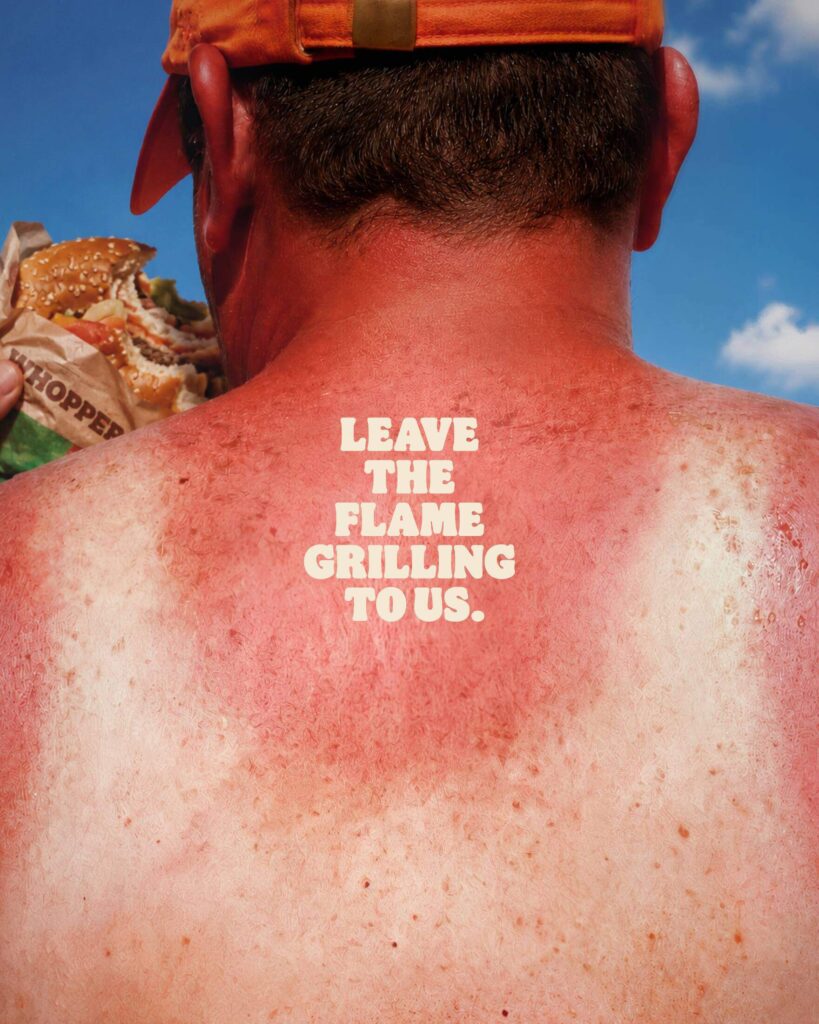
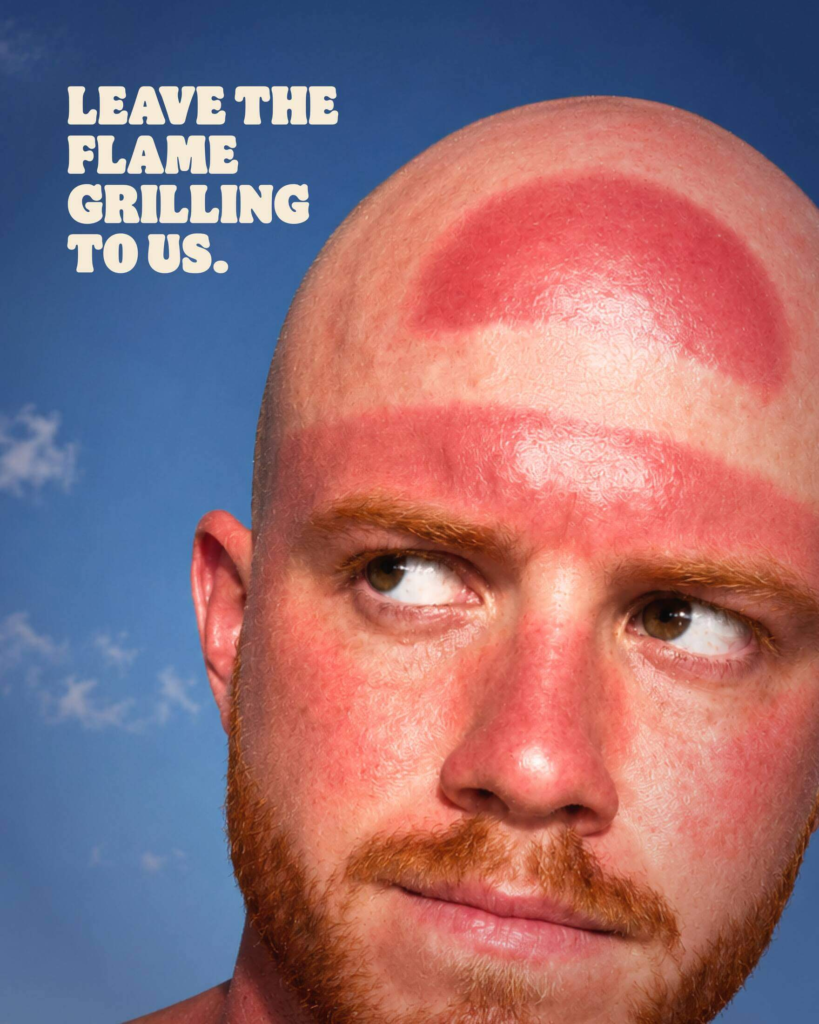
In summer 2026, Burger King turned sharp sunburn lines into an outdoor campaign along the Belgian coast. Caps, sunglasses, necklaces and shorts left pale shapes against heavily reddened skin, followed by one simple line. Happiness Brussels created Leave the Flame Grilling to Us for Burger King Belux.
The people had spent too long under the sun.
Burger King suggested leaving the grilling to someone else.
The tan line became the product message
The campaign arrived while “tanmaxxing” was attracting attention online.
The term describes the deliberate pursuit of a deeper tan. However, Burger King focused on the uncomfortable result of going too far.
Each execution showed a familiar summer mistake.
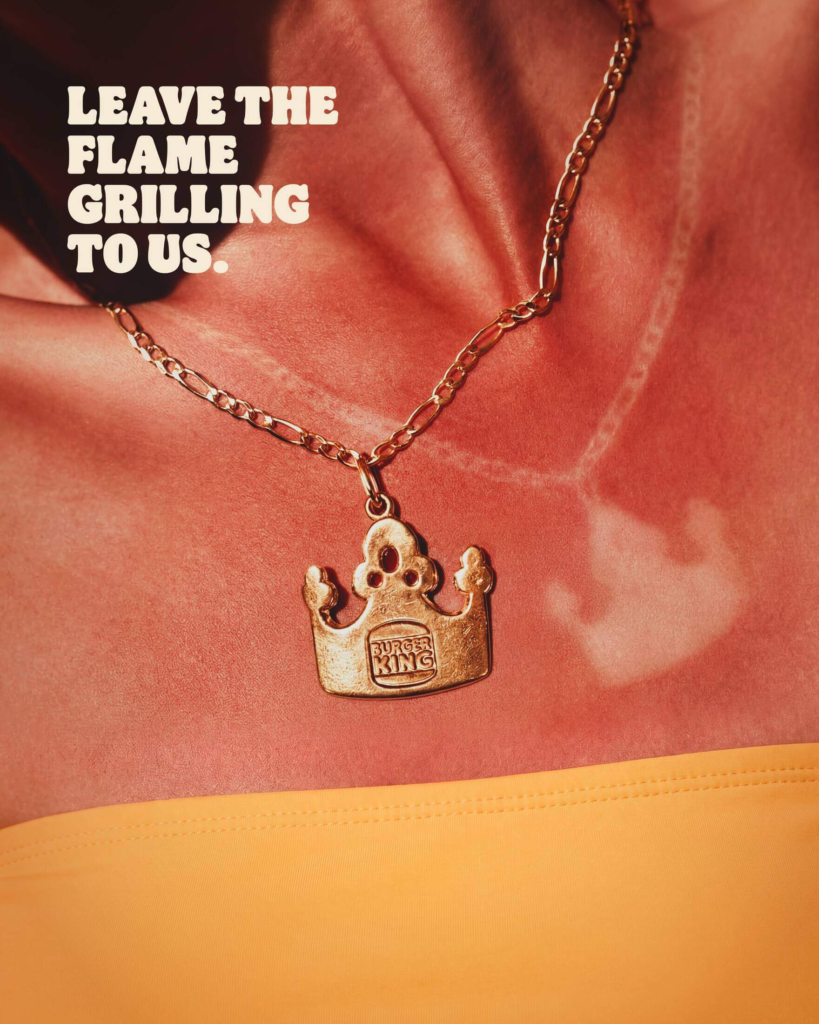
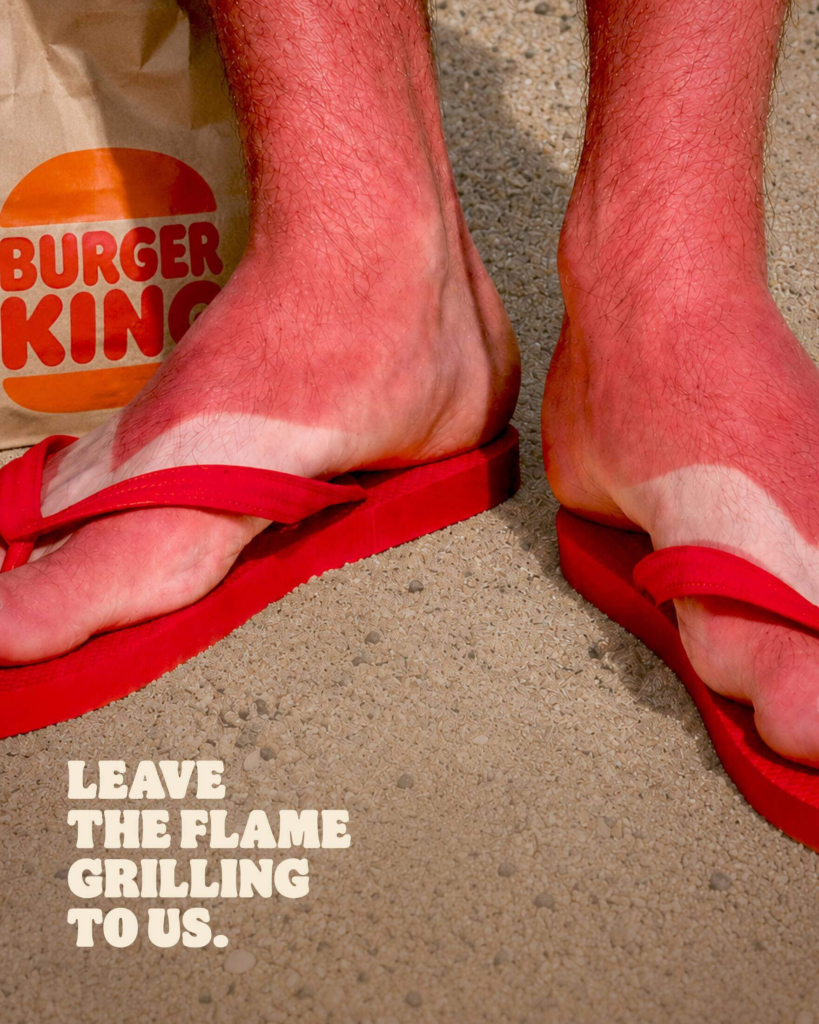
A cap had protected one part of a person’s forehead while the surrounding skin turned red. Sunglasses left clean shapes around someone’s eyes. Necklaces, shorts and other accessories created equally sharp lines across exposed skin.
The photographs did not need to show the sun or explain what had happened. The contrast between pale and burnt areas carried the story.
Burger King then connected the result with its long-running flame-grilling message.
“Leave the Flame Grilling to Us.”
The line changed the meaning of the image. A painful sunburn became an example of someone attempting the wrong kind of grilling.
The images did most of the work
The campaign kept its layouts direct.
Large photographs placed the sunburn patterns at the centre. Meanwhile, the headline and Burger King branding remained small enough to preserve the visual surprise.
Some executions included a Whopper or branded packaging. Still, the food did not need to dominate the frame.
The product connection already existed inside the word “grilling.”
That restraint helped the campaign work at outdoor speed. Someone passing a poster could notice the unusual skin pattern, understand the sunburn and reach the Burger King joke within seconds.
The repeated structure also gave the work consistency.
Different accessories produced different tan lines, but every image led towards the same conclusion. The campaign could therefore expand without searching for another headline or message.
A new sunburn pattern became another execution.
The photography carried the setup.
The line completed it.
The Belgian coast completed the idea
Leave the Flame Grilling to Us appeared across digital outdoor screens, wildposters and Belgium’s coastal tram network. Social media extended the images beyond the physical placements.
The coastal setting placed the campaign close to the summer behaviour shown in the photographs.
People travelling towards beaches or moving between coastal towns encountered images of what could happen after too much exposure. At the same time, Burger King’s tone kept the work inside familiar fast-food humour.
The tram network was especially suited to the campaign. It carried the message along the coast rather than placing it in a location with little connection to the idea.
Furthermore, the same visual system could move easily between formats.
A portrait image could become a street poster. A wider crop could fit a digital screen. Motion elements could help the work appear across social feeds without changing its central thought.
The campaign did not require a live activation or complicated technology. Its relevance came from the relationship between the image, the season and the location.
No performance results were released with the initial campaign material. Therefore, its reach beyond the published media plan remains unclear.
What Made It Different
Leave the Flame Grilling to Us found a new use for one of Burger King’s most familiar product claims.
Flame grilling usually describes the preparation of its burgers. Happiness Brussels applied the phrase to people who had allowed the summer sun to grill their skin.
The connection was exaggerated, but immediately understandable.
More importantly, the campaign remained recognisably Burger King without depending on a large product photograph. The headline linked every image back to the restaurant and its cooking method.
The work also avoided turning the online tanning trend into something desirable. The skin looked sore, and the sharp lines showed the result of poor judgement.
Burger King did not offer to improve anyone’s tan.
It asked people to leave the flame grilling to the experts.
Credits
Leave the Flame Grilling to Us (2026) — Burger King Belux, Belgium. Agency: Happiness Brussels. CEO: Karen Corrigan. Chief Creative Officer: Geoffrey Hantson. Creative Directors: Manuel De Vos and Jarne Eetesonne. Creatives: Daan Van Gorp and Elisa Sonnet. Strategy: Frans Cuypers and Wesley Roeland. Design: Dries Lauwers, Monique Jorge and Davy Van Lijsebeth. Motion: Remke Faber and Arthur Nunes. Director of Photography: Andrey Brunkowski. Media: social, digital outdoor, Belgian coastal tram and wildposting.
Related
More in Outdoor


Popular
Popular posts
More stories