Case Studies
Swipe Night: Tinder turned the apocalypse into a matching experience
 By Archit
·
·
6 min read
By Archit
·
·
6 min read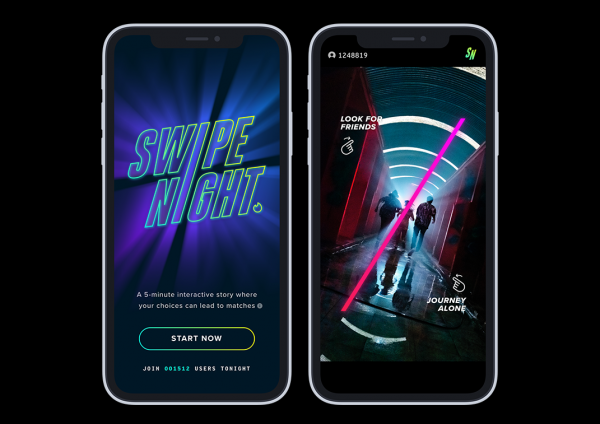
In October 2019, Tinder placed its users inside an interactive story about the final hours before an asteroid hit Earth. Viewers swiped through moral choices, changed the direction of the plot and carried those decisions into their dating profiles. 72andSunny Los Angeles created Swipe Night with Tinder and production company m Angeles created Swipe Night with Tinder and production company m ss ng p eces.
The experience did not advertise the app from outside.
It turned the app itself into the campaign.
The swipe needed a new purpose
Tinder had built its service around one simple movement.
A user swiped through profiles, showing interest in some people and moving past others. The interaction was quick and easy to understand. However, repeating it could begin to feel automatic.
Swipe Night gave the same gesture more consequence.
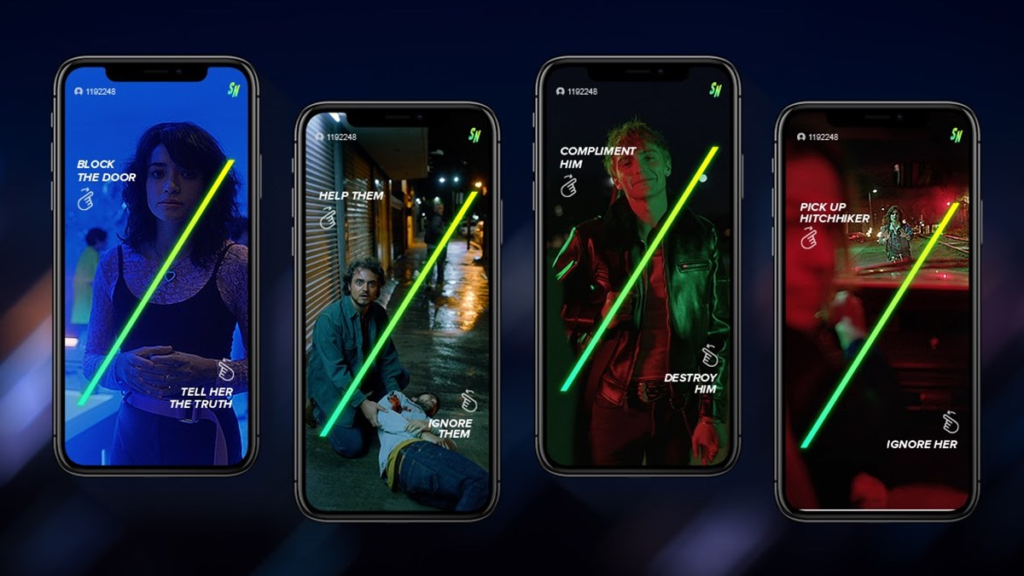
Instead of choosing between dating profiles, users decided what their character would do during an approaching apocalypse. They faced moral questions and practical problems while moving through a first-person story.
Each decision had a seven-second limit. There was no option to return and change the answer.
That pressure made the choices feel more revealing. Someone had to react before they could carefully construct the most appealing response.
The story followed a group of friends played by Angela Wong Carbone, Jordan Christian Hearn and Shea Gabor. However, the person holding the phone remained the central character.
Director Karena Evans filmed the action from the user’s point of view. As a result, the phone screen did not feel like a window into someone else’s story.
It felt like the user was inside it.
The ending continued inside dating profiles
The choices did more than change the next scene.
After an episode, selected decisions appeared on the user’s Tinder profile. Other people could see how they had responded to important moments in the story.
Those answers also influenced potential matches and created subjects for conversation.
That connected the entertainment directly with Tinder’s main purpose.
Interactive films often end once viewers reach the final scene. Swipe Night continued into the experience that followed. Two users could compare decisions, question each other’s judgement or joke about how badly they had handled the end of the world.
The story therefore gave strangers a shared experience before they began speaking.
That mattered because starting a conversation on a dating app can be difficult. A profile may offer only photographs and a short biography. Meanwhile, a decision made under pressure can reveal humour, priorities or personality.
Someone could ask why a match had saved one person, abandoned another or chosen to confess a secret during the final hours.
The apocalypse supplied the introduction.
Tinder provided the person to discuss it with.
Six hours made each episode an event
Swipe Night began in the United States on 6 October 2019.
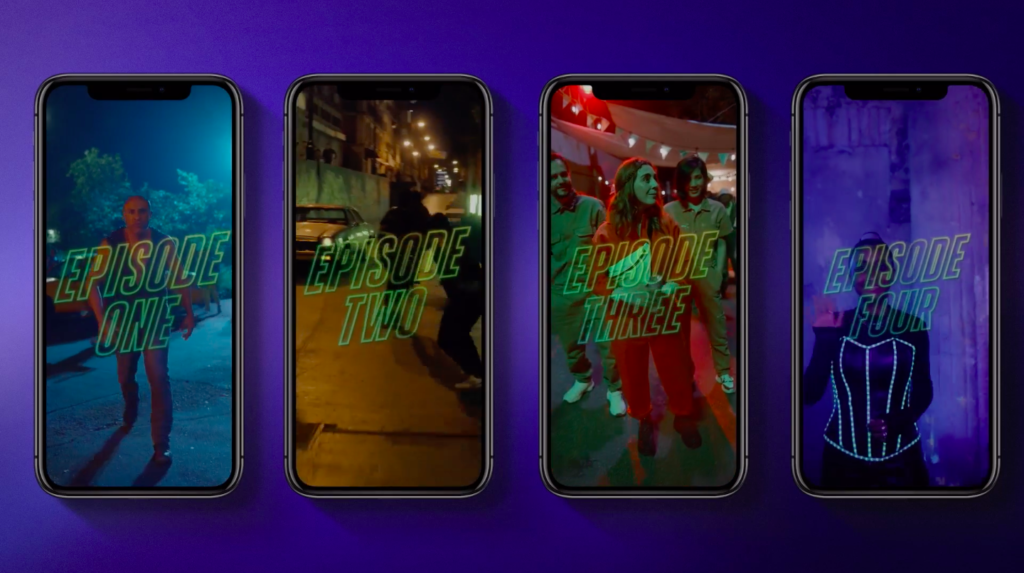
A new chapter appeared inside Tinder every Sunday during October. Each release was available from 6pm until midnight, giving users a six-hour window to participate.
The limited schedule changed how people approached the experience.
The episodes were not placed inside a permanent library where they could be watched at any time. Users had to enter Tinder during the event or miss that week’s chapter.
That decision created urgency. It also allowed many people to experience the story during the same period, giving them something current to discuss once they returned to matching.
At the same time, Tinder had to bring responsive streaming video into its app for the first time. The experience needed to play smoothly, record decisions and move users towards different scenes without making the technology more noticeable than the story.
Writers Nicole Delaney and Brandon Zuck developed the narrative around those requirements. Every branch needed to feel meaningful while still fitting inside the short mobile experience.
The format also recognised how the audience already used its phones. The story was vertical, quick and controlled through swiping rather than buttons designed for a traditional film player.
Swipe Night did not ask users to learn a new behaviour.
It gave an existing behaviour a new meaning.
The Impact
Tinder later reported that more than 20 million members participated in the first Swipe Night experience.
During the event, matches increased by 26 percent and messages rose by 12 percent compared with a typical weekend. The campaign also reported a 1,600 percent increase in Twitter activity.
These were figures released by Tinder and its campaign partners rather than independently audited results. Still, they showed that the story affected activity beyond the time spent watching it.
People returned to profiles, created more matches and began more conversations.
The work received a Graphite Pencil and a Wood Pencil in 2020. It also won Gold for Innovation in Social Media and two Silver Pencils at The One Show.
Tinder brought Swipe Night back in 2020 and later developed a second story called Killer Weekend. The follow-up replaced the apocalypse with a murder mystery and allowed users to discuss clues through the app.
The continuation showed that the original project had become more than a temporary content experiment.
It had created a repeatable entertainment format inside a dating product.
Why It Still Works
Swipe Night connected its creative idea with the behaviour Tinder already owned.
The campaign did not place a film on another platform and ask viewers to download the app afterwards. The story could only be experienced inside Tinder, and every decision returned users to matching.
More importantly, participation created information that people could use to understand one another.
The entertainment was not separate from the service. It made the service feel more social.
The apocalyptic story also gave the campaign the right level of pressure. When the world was ending and only seven seconds remained, users could not spend several minutes designing a perfect answer.
They had to swipe.
This time, the choice revealed more than whether they liked a photograph.
Credits
Swipe Night (2019). Tinder, United States. Agency: 72andSunny Los Angeles. Production: m ss ng p eces. Director: Karena Evans. Writers: Nicole Delaney and Brandon Zuck. Director of Photography: Carolina Costa. Music and sound: Q Department. Editing and post-production: Cabin and MPC. Awards: D&AD Graphite Pencil and Wood Pencil, The One Show Gold Pencil and two Silver Pencils.
Related
More in Case Studies




Popular
Popular posts



More stories