Case Studies
The Soap with a Lump: Lux built a breast-check reminder into every bath
 By Archit
·
·
5 min read
By Archit
·
·
5 min read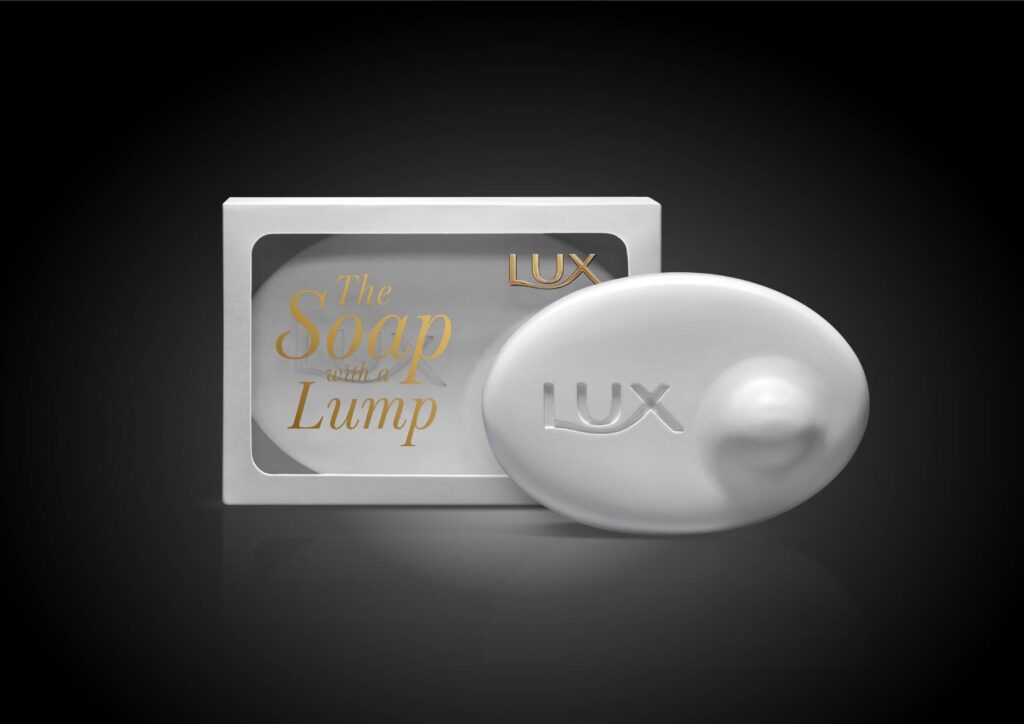
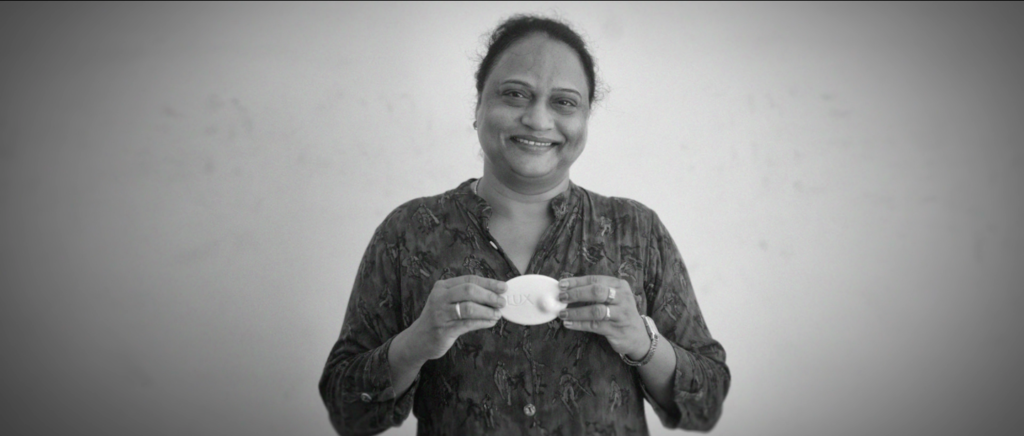
In May 2019, Lux changed the shape of its soap to encourage breast awareness among women in India. A visible lump rose from the surface of each bar and remained noticeable as the soap became smaller. Wunderman Thompson Mumbai created The Soap with a Lump with Hindustan Unilever and the Indian Cancer Society.
The soap could not diagnose cancer. Instead, it placed a physical reminder inside a private daily routine.
The message appeared at the right moment
Campaign research reported that 75 percent of Indian women avoided checking their breasts for unusual changes.
Embarrassment and discomfort were part of the problem. A public advertisement could explain why breast awareness mattered. However, the action itself needed to happen somewhere private.
The bathroom provided that space.
Women were already using soap while washing their bodies. Therefore, Lux did not need to create a new habit, application or screening device. It only needed to connect an existing routine with a reminder.
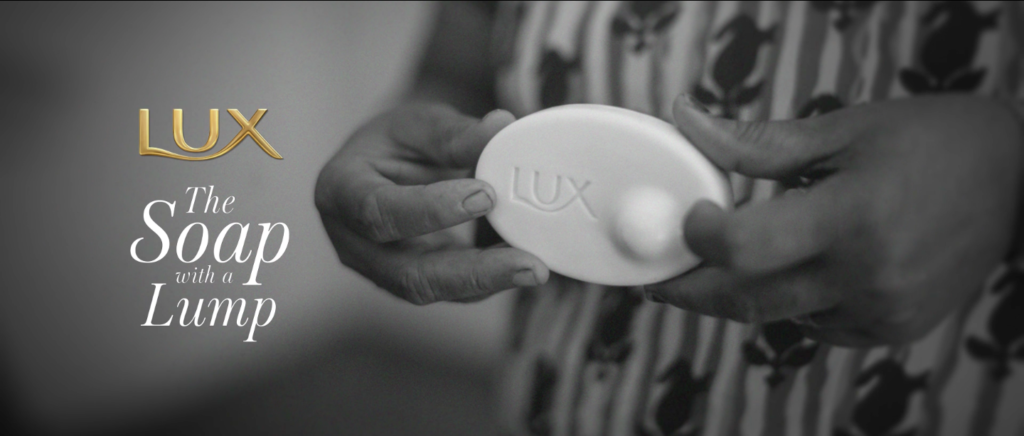
Wunderman Thompson redesigned the familiar Lux bar by adding a raised lump to its surface. The shape was immediately visible, but touch gave the idea its full meaning.
Each time someone held the soap, the unexpected form could prompt her to notice changes in her own body.
That made the product part of the communication. The message was no longer printed beside the soap. It was built into the object itself.
The lump stayed as the soap disappeared
A temporary bump would have weakened the idea after the first few uses.
Lux, Wunderman Thompson and their collaborators therefore developed the bar so the raised section remained until the soap was nearly finished. As the surrounding material dissolved, the reminder continued to be felt.
The team worked with designers, technical specialists, soap manufacturers and an oncologist while developing the product.
That process mattered because the bar still needed to function as soap. It had to survive regular contact with water while keeping its unusual shape long enough to support repeated reminders.
Furthermore, the lump needed to be clear without suggesting that every change in the breast meant cancer. Its purpose was to encourage awareness and professional follow-up when something unusual was noticed.
The final object required little explanation once it was placed in someone’s hand.
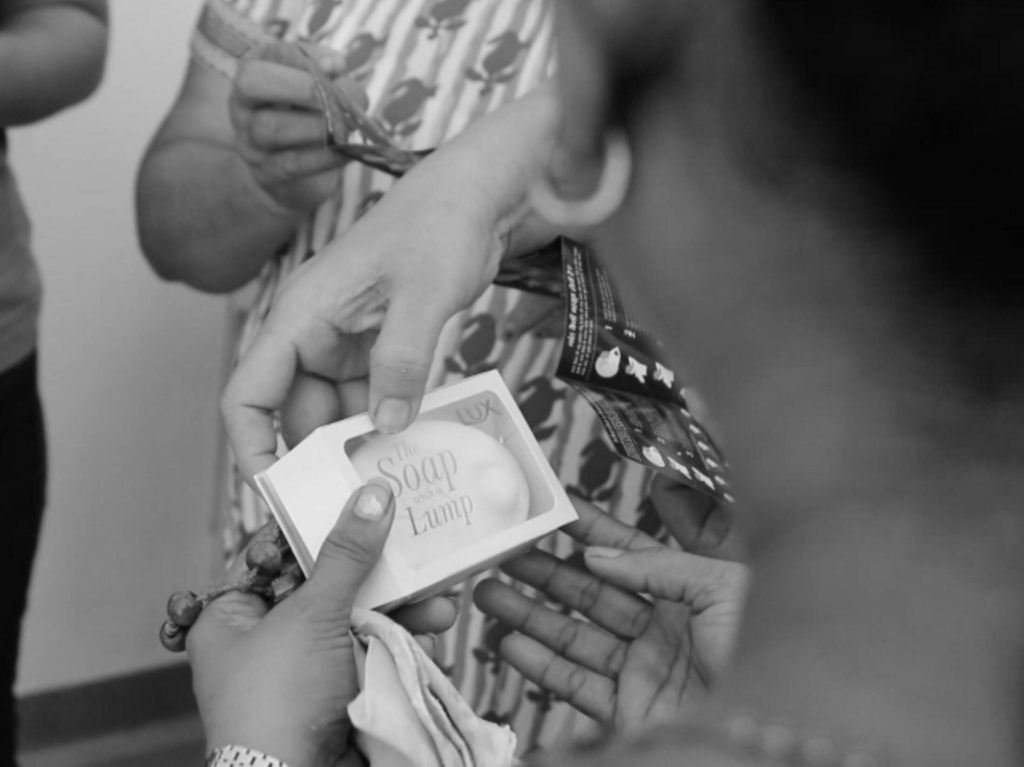
A leaflet supplied information about breast health. Meanwhile, the soap carried the reminder into the days that followed.
Screening camps carried the idea to women
The Soap with a Lump was not introduced as a normal retail edition.
Its first distribution took place through an Indian Cancer Society screening camp in Vasai, Maharashtra. Women attending the camp received the soap alongside educational information about breast awareness.
That setting connected the creative idea with medical support.
Someone who encountered the soap was not left with only an advertising message. The screening programme and accompanying material provided a clearer route towards information and professional guidance.
After the initial launch, the project was extended through awareness camps at hospitals and Indian Cancer Society community programmes.
This distribution model limited the soap’s availability compared with a nationwide retail release. Still, it placed the product among women already being reached through health initiatives.
More importantly, Lux used its own category to address the issue.
Soap already belonged in the moment when the campaign wanted women to pay attention to their bodies. The connection between product, place and action remained direct.
The Impact
Campaign reporting said The Soap with a Lump reached 9.4 million people on social media within its first 24 hours.
The Indian Cancer Society helpline also recorded an increase of almost 30 percent in enquiries following the campaign. These figures came from the organisations behind the work rather than an independent evaluation.
The project later received a Graphite Pencil for Impact and a Wood Pencil for Product Design in 2020. It also collected recognition across health, product design and brand experience categories.
Those categories reflected the different roles played by one bar of soap.
It was a redesigned consumer product. It was also an awareness tool, a tactile piece of communication and an entry point into a wider screening initiative.
The results did not prove that the soap detected cancer or changed long-term health outcomes. However, they showed that the object encouraged attention and conversation around a subject many women found difficult to discuss.
Why It Still Works
The Soap with a Lump placed the reminder where the action could happen.
A poster might have been seen on the road and forgotten by the time someone reached home. A social post could have disappeared beneath the next piece of content.
The soap stayed in the bathroom.
It returned to the user’s hand each day and repeated the idea through touch rather than another written instruction.
The work also showed that product design could carry a public-health message without turning the product into a medical device. Lux remained a soap brand. However, one change to the bar gave it an additional purpose.
The lump was designed to feel wrong.
That feeling was what made the reminder difficult to ignore.
Credits
The Soap with a Lump (2019) — Lux and Hindustan Unilever, India. Agency: Wunderman Thompson Mumbai. Chief Creative Officer: Senthil Kumar. Regional Creative Director: Tista Sen. Creative team: Ashish Pathak, Simone Patrick, Chandni Kapur, Aindrila Chatterjee, Vrinda Varnekar and Srikanth Kanchinadham. Account management: Kishore Tadepalli and Sana Patel. Brand team: Samir Singh, Kavita Nalawade, Shabad Pratihast and Carina Chopra. Partner: Indian Cancer Society. Awards: D&AD Graphite Pencil and Wood Pencil in 2020.
Related
More in Case Studies



Popular
Popular posts

More stories