Outdoor
Who gets sick and who gets paid? Channel 4’s Fountain of Filth made its point in public
 By Archit
·
·
3 min read
AI-assisted
Quick summary
Channel 4 and agency 4Creative installed an unsettling public artwork called The Fountain of Filth at London’s South Bank to promote the factual drama Dirty Business. Running for three days in February 2026, the installation featured figures vomiting brown water below a suited executive with cash spilling from his pockets.
The sculptures were modeled using 3D scans of real individuals affected by polluted waterways, including former surfing champion Sophie Hellyer and outdoor swimming journalist Ella Foote. A plaque with a QR code directed visitors to interviews detailing England’s sewage scandal. Supported by targeted advertising vans at water company headquarters and beaches, the campaign linked corporate accountability directly to the human cost of pollution.
AI-generated from this article. For complete context and credits, read the full story.

A public fountain usually gives people somewhere pleasant to stop. Channel 4 gave Londoners a reason to feel uncomfortable.
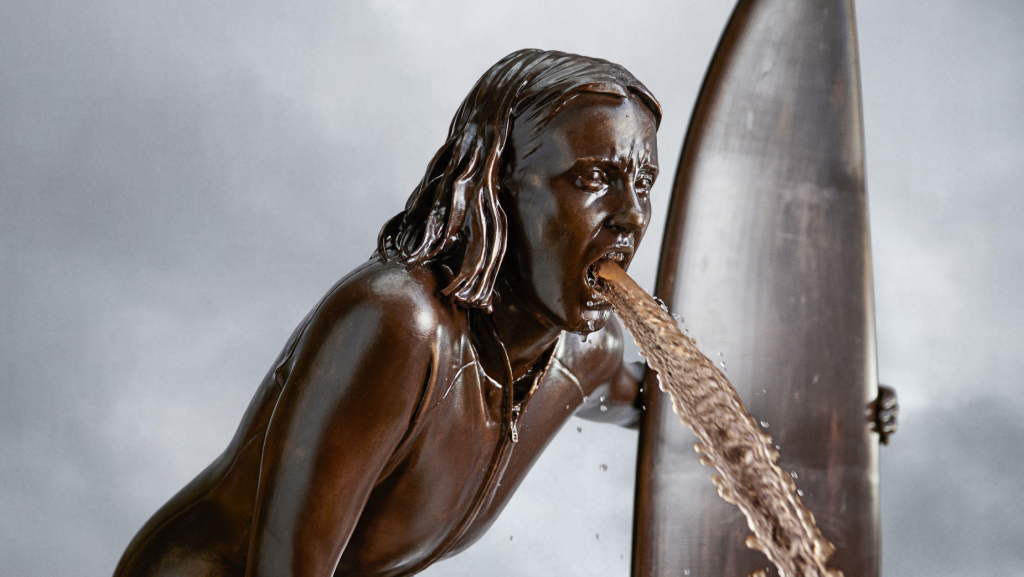
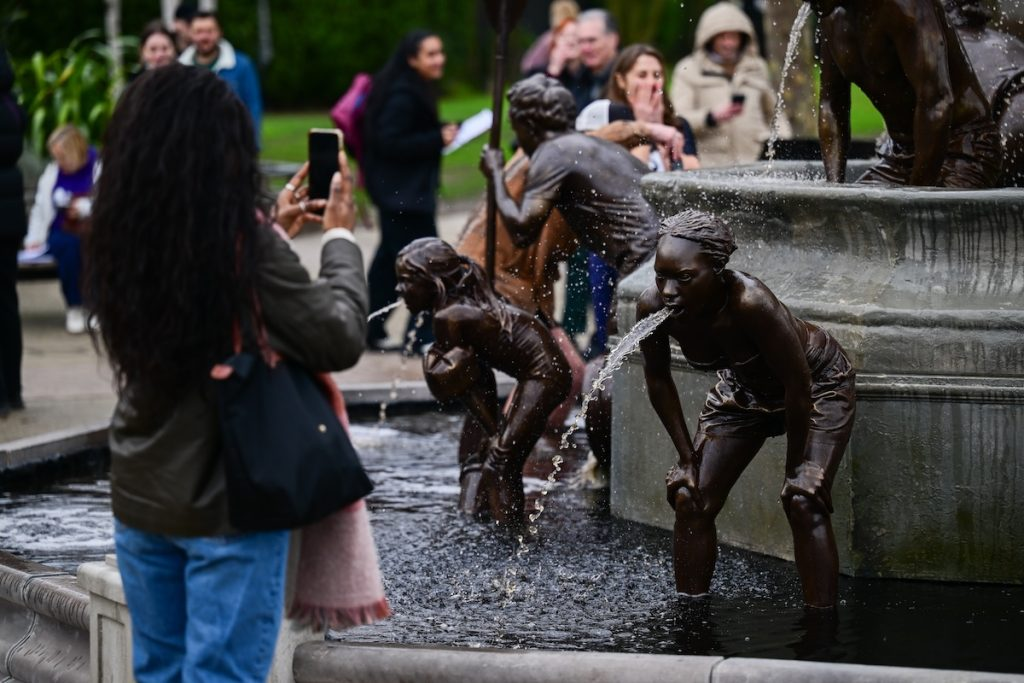
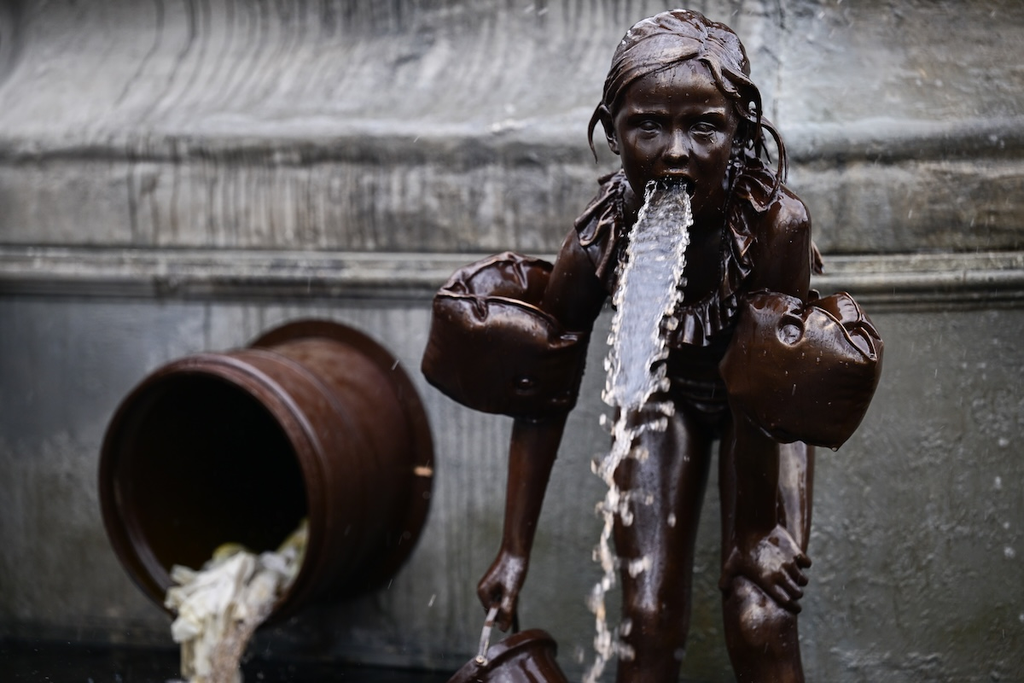
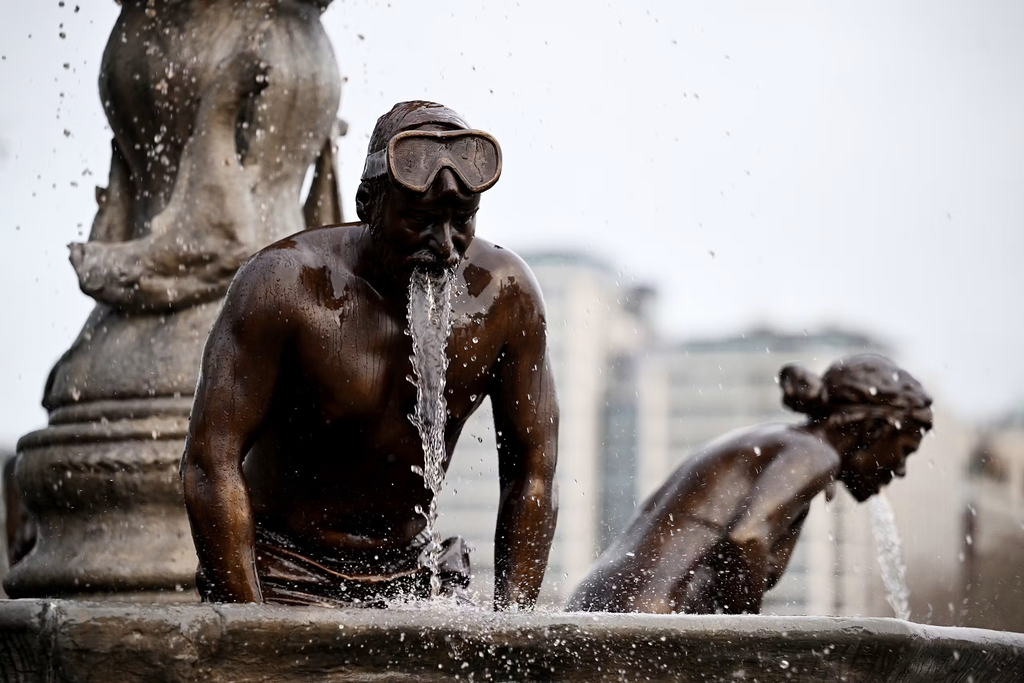
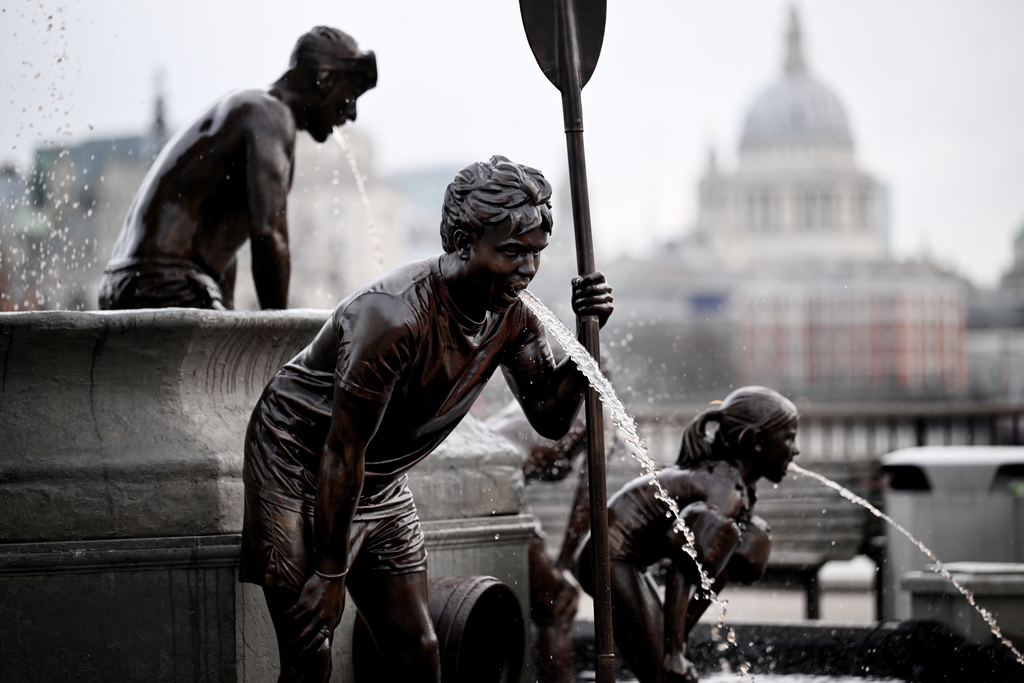
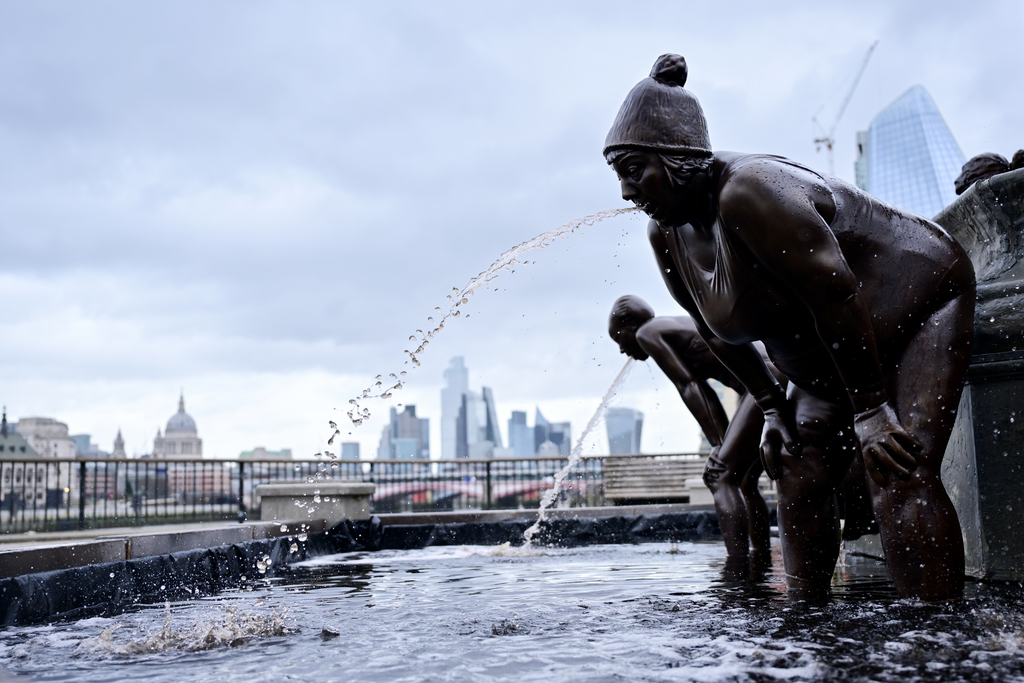
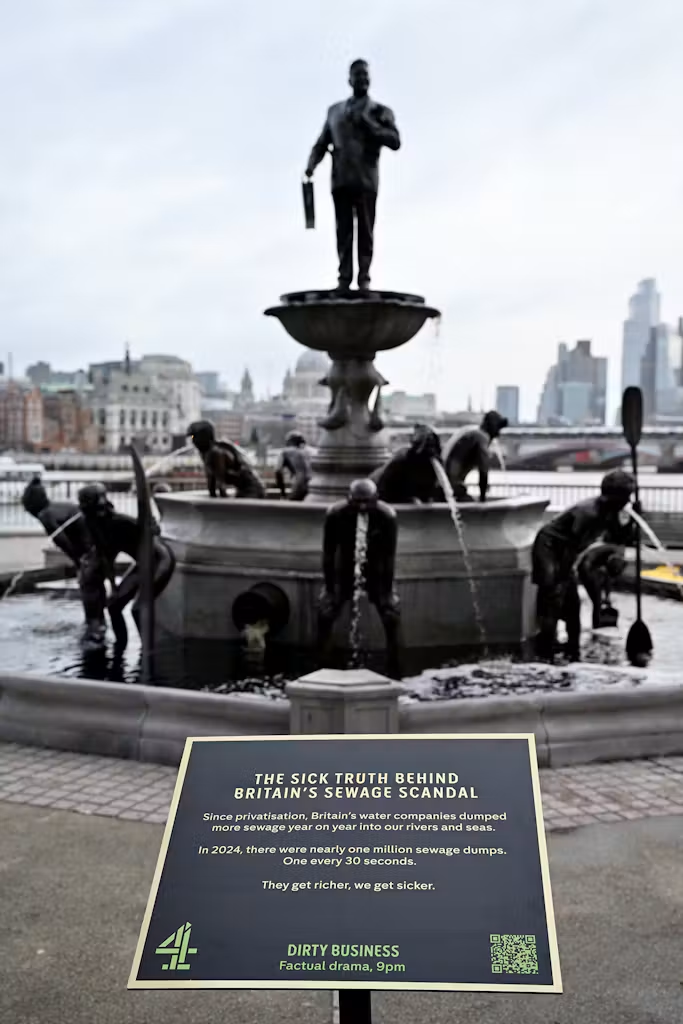
For three days in February 2026, The Fountain of Filth occupied Observation Point on London’s South Bank. Its figures appeared to vomit brown water into the basin. Above them stood a suited executive with cash spilling from his pockets and briefcase.
The arrangement gave the sewage scandal a clear human relationship. People below suffered while the figure above collected the money.
Created to promote Channel 4’s factual drama Dirty Business, the installation brought the subject of the programme into a public space beside the Thames. It ran from 23 to 25 February, matching the drama’s three-night broadcast.
Real people gave the sculptures their meaning
The figures drew on the experiences of people affected by polluted waterways. Former national surfing champion Sophie Hellyer and outdoor swimming journalist and guide Ella Foote were among those whose likenesses were captured through 3D scanning.
That connection mattered. The sculptures represented people with an existing relationship to Britain’s rivers and seas, including those who believed sewage pollution had made them ill.
A fountain’s normal water flow became a physical expression of sickness. Visitors could understand the subject before reading a detailed explanation, while the people represented gave that initial reaction somewhere more specific to go.
The bronze-like finish also borrowed the appearance of a civic monument. It gave the scene the visual permanence of a public memorial, even though the installation stood for only three days.
A QR code connected the spectacle to testimony
The fountain’s plaque invited visitors to discover “The Sick Truth Behind Britain’s Sewage Scandal”. Its QR code led to specially commissioned interviews with people affected.
The installation therefore offered two ways into the story. The fountain supplied an immediate, unsettling encounter. The interviews let people spend time with individual accounts.
That sequence suited the programme it promoted. Dirty Business drew on a decade-long investigation into England’s water companies and followed stories involving whistleblowers and people who believed polluted water had damaged their lives.
The wider campaign took its questions to relevant places
The fountain was part of a national campaign that also included advertising vans. Messages aimed at water company headquarters told them to “Get Ready for Their Close Up”. Beach placements asked, “Would You Swim Here?”
Each location gave the words a practical context. At a headquarters, the message addressed accountability. At a beach, it asked people to consider their own contact with the water.
On the South Bank, the fountain brought both sides together. Its public setting made the consequences visible, while the executive above the basin kept the question of responsibility inside the same scene.

Credits
Brand: Channel 4. Agency: 4Creative. Concept: 4Creative and Glue Society. Artist and direction: Glue Society. Executive creative director: David Wigglesworth. Creative directors: Andy Vasey and Dan Warner. Production: Biscuit Filmworks and Revolver. Production design: Ollie Hogan. Fabrication: Machine Shop. Media strategy: OMD UK.
About the work
Campaign details
- Brand
- Channel 4
- Agency
- 4Creative
- Country
- United Kingdom
- Year
- 2026
Related
More in Outdoor


Popular
Popular posts


More stories