Outdoor
For Júpiter, vacant billboards already looked like aluminium foil
 By Archit
·
·
3 min read
AI-assisted
Quick summary
Household goods brand Júpiter and agency From launched the Aluminium Billboards campaign in Uruguay to turn vacant, reflective roadside panels into affordable outdoor advertisements. Spotting that bare billboards along the Ruta Interbalnearia resembled sheets of aluminium foil between bookings, the team applied simple branded stickers directly onto the exposed metal surfaces rather than covering them with conventional printed sheets.
Developed in partnership with media company Publicartel, the campaign monetized gaps in inventory while allowing Júpiter to access outdoor advertising outside its usual plans. By letting the existing structure supply the product image, the initiative transformed empty spaces into oversized representations of the brand's household foil, creating a practical media arrangement where the available space directly shaped the creative design.
AI-generated from this article. For complete context and credits, read the full story.
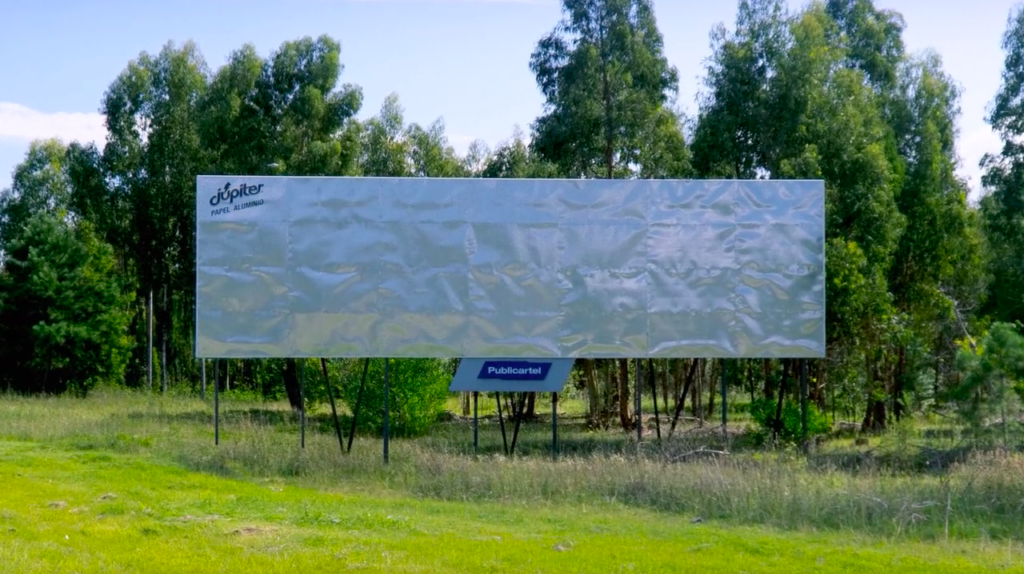
Júpiter had not considered outdoor advertising until its agency spotted an opportunity in the spaces between bookings. Across Uruguay, billboards stood bare while waiting for their next advertiser. Their reflective surfaces looked like sheets of aluminium foil.
That resemblance became Aluminium Billboards, a campaign for the household goods brand. Júpiter added branded stickers to vacant panels, letting the existing surface represent the product it sold.
The campaign brought together two needs. Júpiter wanted access to outdoor advertising at an affordable price. Publicartel, the outdoor media company, had unused space that could earn revenue while awaiting another booking.
The billboard surface supplied the product image
Aluminium Billboards appeared along Uruguay’s Ruta Interbalnearia. The idea depended on what became visible when an advertisement came down.
An exposed panel had the sheen and broad metallic surface associated with foil. Adding Júpiter’s branding gave that resemblance a commercial meaning. The structure that normally supported an advertisement became the main part of the advertisement itself.
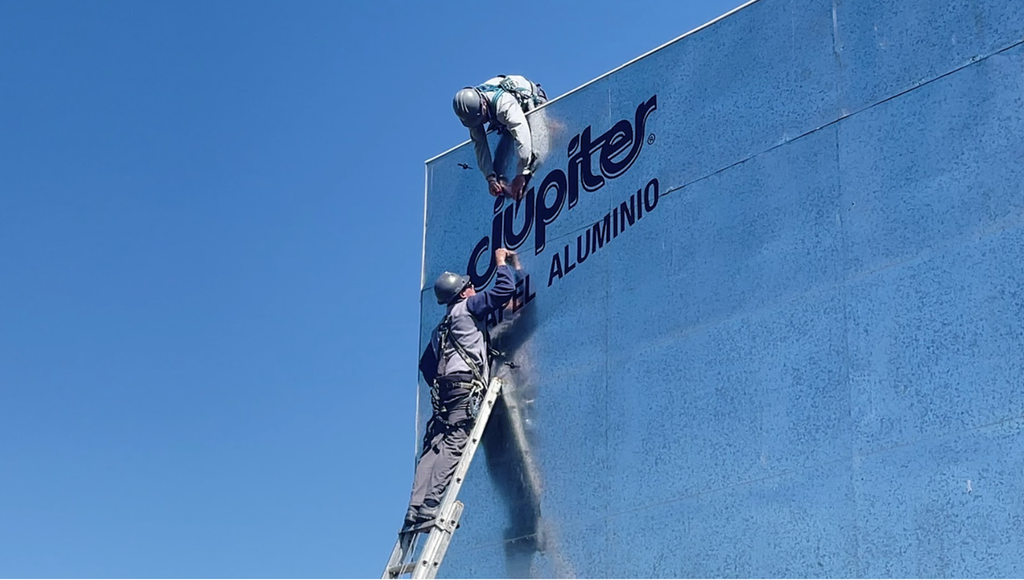
The creative treatment required branded stickers rather than a newly produced image covering the panel. The surface stayed visible because it carried the connection to the product.
That changed what the campaign needed from its location. A vacant billboard was useful precisely because its face was exposed. Covering it with a conventional printed advertisement would have removed the detail the idea depended on.
The branding supplied the link between a large roadside structure and a familiar kitchen product. Drivers could recognise the foil-like surface at billboard scale, with the sticker identifying whose foil the campaign was advertising.
Publicartel’s gaps between bookings became useful inventory
Billboard availability was part of the execution. A panel could sit empty after one contract ended and before the next began. Aluminium Billboards gave those intervals a use.
Publicartel could offer space that would otherwise remain unoccupied. Júpiter could enter a medium it had previously considered beyond its plans, using the unused inventory at a lower cost.
The partnership therefore extended beyond finding somewhere to display a finished design. The available space helped determine the design, and the design gave the available space a buyer.
The campaign also reduced the production needed to occupy each panel. Existing surfaces supplied the large visual element, while stickers supplied the brand identity. The same approach could be applied wherever a suitable billboard became vacant.
Aluminium Billboards joined a product resemblance to a practical media arrangement. Júpiter’s foil found its image in an exposed panel, and Publicartel found an advertiser for the time between advertisers.
Credits
Aluminium Billboards. Brand Júpiter, Uruguay. Agency From, Montevideo. Outdoor media partner Publicartel. Chief Creative Officer Marcelo Waintraub. Director Bruno Petcho. Creative Director Rafael Castromán. Art Director Martín Belasques. Operations Director Joaquín Marqués. Account Director Cecilia Mujica. Copywriters Rodrigo Planel, Juan Sebastián Vallejo and Alejo Barrios. Brand Director Michel Podbereski. Publicartel commercial lead Facundo Cruz Mescia.
About the work
Campaign details
Related
More in Outdoor



Popular
Popular posts


More stories