Digital
KFC turned chicken-shaped video game maps into real fried chicken
 By Archit
·
·
3 min read
By Archit
·
·
3 min read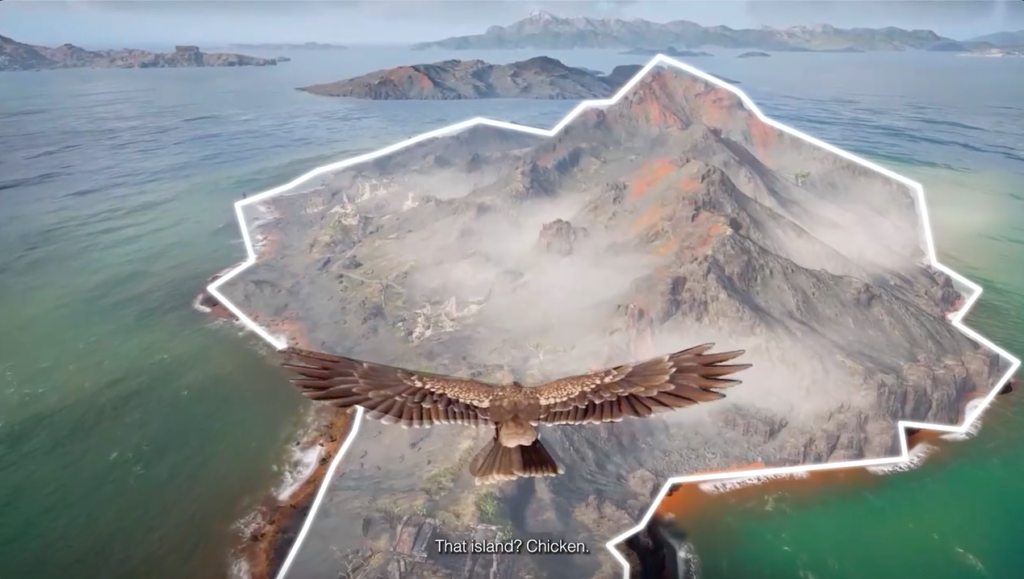
Video-game maps are normally designed to guide players through fictional worlds. KFC Peru gave gamers another reason to study them closely by asking a simple question: does any part of the landscape look like a piece of fried chicken?
Chicken Maps invited players to search their favourite games for islands, territories and environmental formations resembling KFC chicken. They could capture the discovery and share it with the brand for a chance to turn the virtual shape into a real food reward.
Created by MullenLowe Perú SSP3, the campaign transformed an unexpected visual resemblance into a game that could work across different titles and gaming communities.
Gamers searched familiar maps from a new perspective
Players spend hours learning the geography of video games. They recognise routes, landmarks, hiding places and areas that offer a strategic advantage.
Chicken Maps asked them to temporarily ignore those practical details and look at the complete shape of the environment. A familiar island or section of terrain could suddenly resemble a wing, drumstick or irregular piece of fried chicken.
The activity was based on a familiar human habit of finding recognisable objects inside random shapes. KFC directed that instinct towards gaming maps and made its product the pattern everyone was trying to see.
Screenshots became entries in the campaign
When gamers found a convincing chicken-shaped formation, they captured an image and shared it with KFC Peru.
Each screenshot became evidence of a discovery. Qualifying maps were then connected with real pieces of KFC chicken, turning something found inside a digital world into a physical reward.
The mechanic did not depend on one official game, character or competition. Players could search across the titles they already enjoyed, allowing different gaming communities to participate using familiar environments.
This open structure also made every submission unpredictable. KFC provided the challenge, but players discovered the campaign’s content for themselves.
Chicken became part of the map without entering the game
Food and gaming campaigns often rely on branded characters, downloadable items or direct integrations with game publishers. Chicken Maps found a simpler route by using visual similarities that were already present.
KFC did not need to build a new virtual environment. Existing maps became campaign media when players viewed them through the brand’s idea.
That approach made fried chicken relevant to gaming without interrupting play. The brand entered conversations around map design, screenshots and visual discoveries while leaving each original game unchanged.
The product completed the digital discovery
The campaign’s reward connected the virtual shape with the real product. A map might only resemble fried chicken by coincidence, but receiving an actual piece made that resemblance feel intentional.
It also gave players a clear reason to participate. Finding a shape was not simply an online observation. It could lead to something they could eat.
Chicken Maps shows how a brand can create a gaming idea without developing a complete game. By changing what players were looking for, KFC turned existing digital landscapes into a large search area filled with possible pieces of chicken.
Credits
Chicken Maps (2025), KFC Peru. Advertising agency: MullenLowe Perú SSP3. CEO: Max Gutiérrez. Chief Creative Officer: Mauricio Fernández-Maldonado. Creative Director: Eduardo Trelles. Art Directors: Diego Izquierdo and Francisco Tolentino. Copywriter: Vania Allain. Motion Designer: Sergio Carbajal. Account Director: Carolina Sáenz. Account Executive: Melanie Torres. The digital, content and experiential campaign was published in Peru in August 2025.
About the work
Campaign details
- Brand
- KFC
- Agency
- MullenLowe Perú SSP3
- Country
- Peru
- Year
- 2025
Related
More in Digital

Popular
Popular posts


More stories