Editor's Pick
Polluted Water Popsicles: Taiwanese students froze contaminated waterways into 100 inedible ice lollies
 By Archit
·
·
6 min read
By Archit
·
·
6 min readAI-assisted
Quick summary
The idea: Three design students in Taiwan created Polluted Water Popsicles, a collection of 100 inedible ice lollies made from water gathered across local rivers, lakes, beaches, and ports to draw attention to water contamination.
The execution: The students collected samples from 100 locations, preserved them in transparent polyester resin to capture the trapped waste and murky colors, and paired them with colorful, consumer-style packaging labeled by collection site.
Why it matters: The project used visual contrast and an accessible design format to spark international curiosity and discomfort, prompting viewers to question why polluted water is acceptable in nature if it is unacceptable inside a food-like object.
AI-generated from this article. For complete context and credits, read the full story.
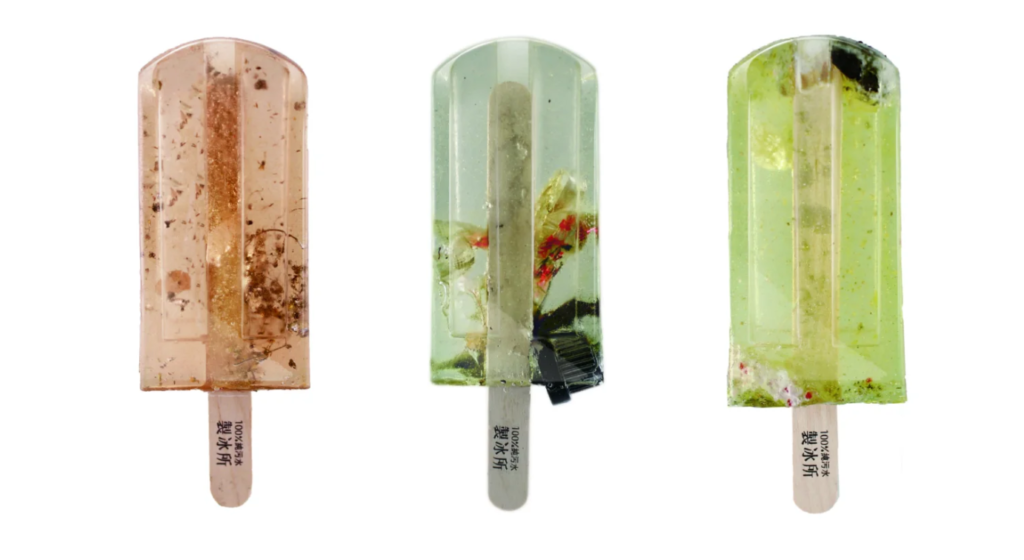
Three design students in Taiwan turned polluted water collected from rivers, lakes, beaches and ports into a disturbing collection of 100 inedible popsicles.
Created in 2017 by Hung Yi-chen, Guo Yi-hui and Cheng Yu-ti from the National Taiwan University of Arts, “Polluted Water Popsicles” used the appearance of colourful frozen treats to draw attention to water contamination.
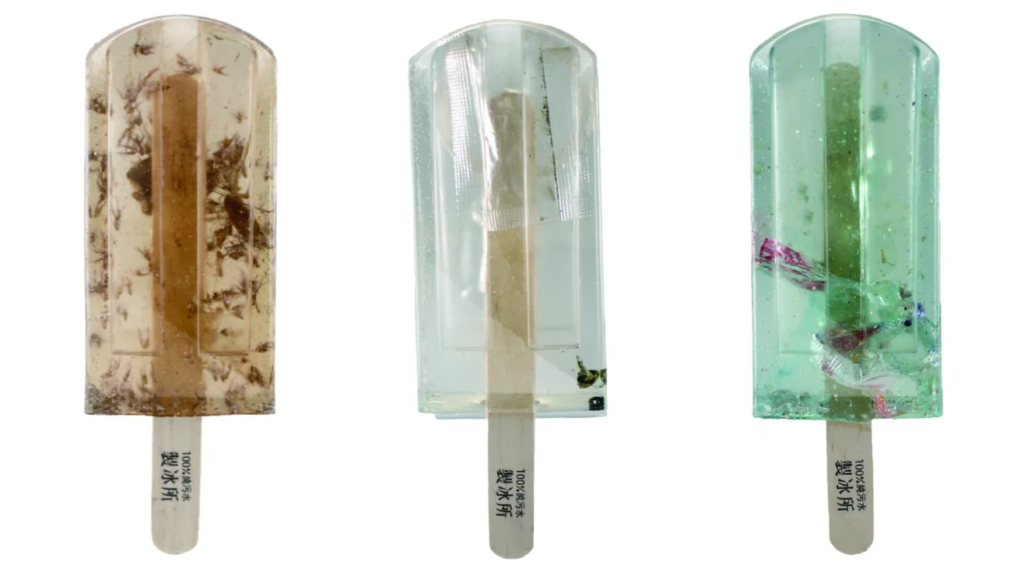
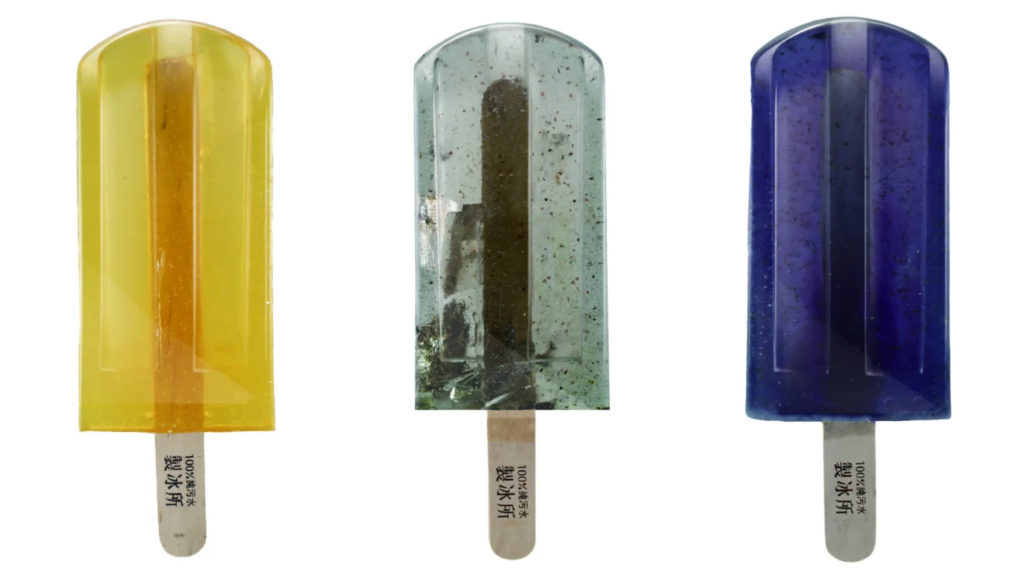
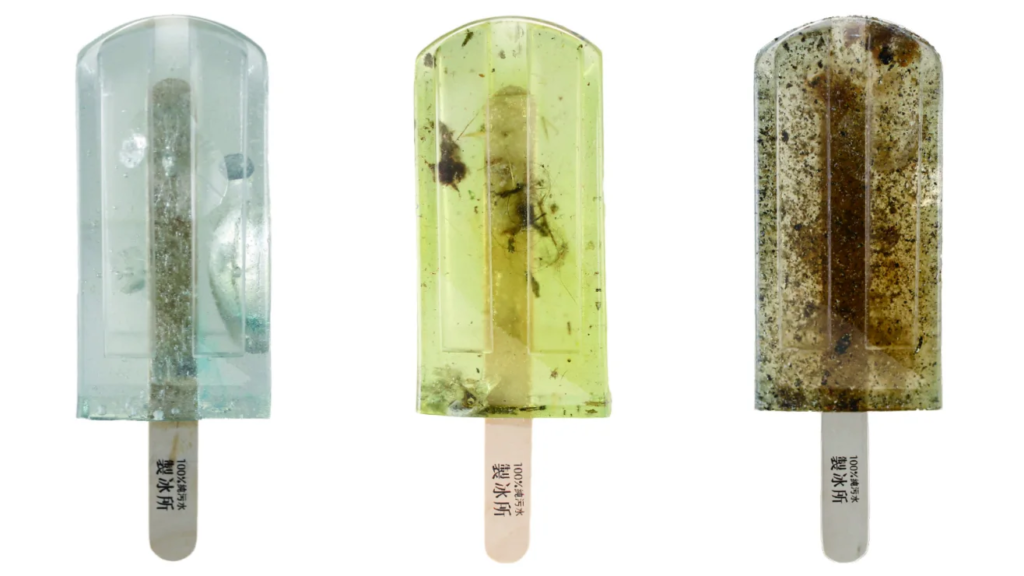
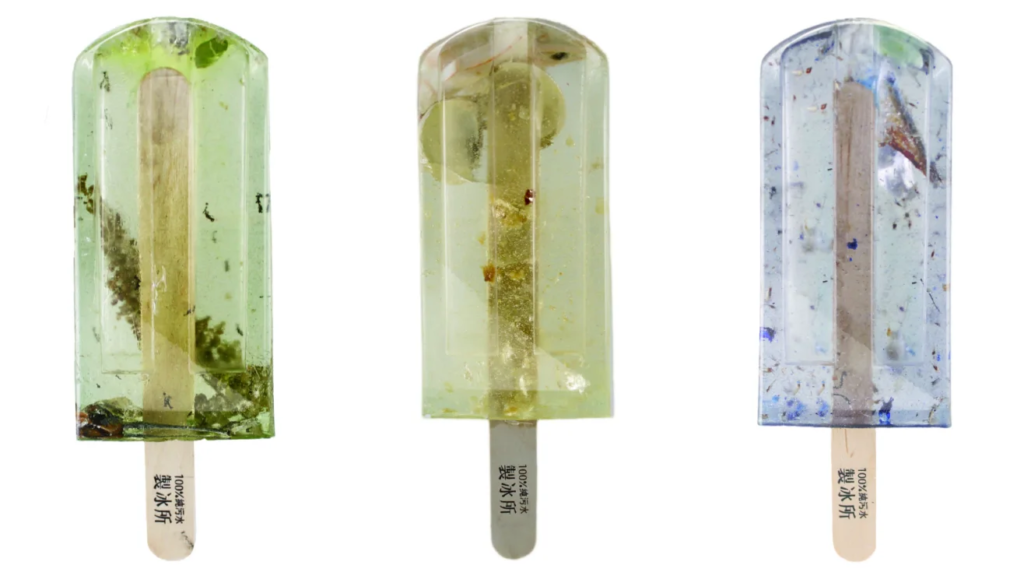
Some of the transparent popsicles appear attractive from a distance. A closer look reveals murky water, plastic fragments, bottle caps, wrappers and other pieces of waste suspended inside them.
The project’s message becomes clear through the contradiction: water presented like something people would happily consume is visibly too polluted to touch.
The project began behind the university
The students were inspired after noticing nearly black water in a canal behind their university in New Taipei City.
Polluted waterways can become part of the background of urban life. People may walk past discoloured rivers and floating rubbish every day without stopping to consider what is entering the water.
The team wanted to make the problem difficult to ignore.
Instead of presenting pollution through charts, reports or conventional environmental posters, they searched for an object that could create a more immediate reaction.
The popsicle offered an effective format because it is normally associated with clean water, bright colours, refreshment and childhood. Replacing those qualities with sewage and rubbish created instant discomfort.
Water was collected from 100 locations
The students travelled around Taiwan collecting samples from 100 different water sources.
The locations included urban rivers, creeks, lakes, beaches and ports. Together, the samples provided a visual survey of contamination across the island.
Pollution differed between locations. Some samples were dark and cloudy, while others contained visible pieces of plastic, wrappers and unidentified debris. Water collected from parts of eastern Taiwan appeared considerably cleaner than samples taken from heavily populated or industrial areas.
The Port of Keelung was reported as producing the most contaminated sample in the collection. Other popsicles included water from the Tamsui River, Xinchao Creek, Wayao Ditch and Pu-Hsin Creek.
By creating one object for every site, the students avoided reducing Taiwan’s water pollution to a single dramatic example. The complete collection showed that the problem existed across many different environments.
Frozen samples became permanent resin replicas
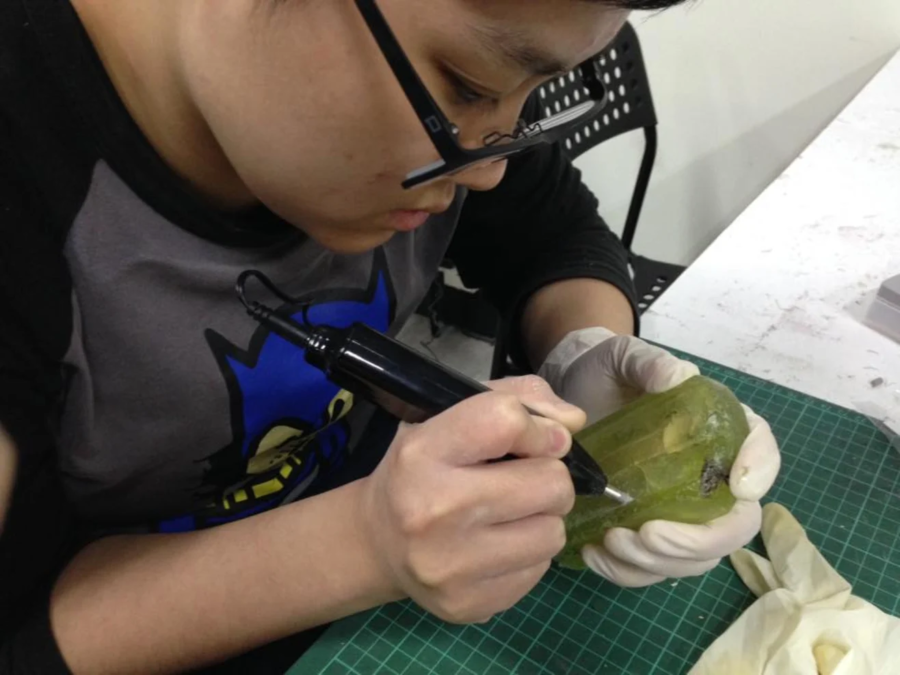
The students initially poured the water samples into popsicle moulds and froze them.
Real ice could not be displayed for long, so the team recreated the frozen forms in transparent polyester resin. The permanent replicas retained the colours, textures and pieces of waste found in the original samples.
Each resin popsicle was attached to a wooden stick, making it resemble a product that might be removed from a freezer and eaten.
The transparent material allowed visitors to inspect what was trapped inside. A brightly coloured section might initially resemble fruit flavouring, until a closer view revealed plastic or other contaminants.
The popsicles were exhibition objects and were never intended for consumption. Their convincing appearance was part of the design strategy.
Attractive packaging makes the pollution more disturbing
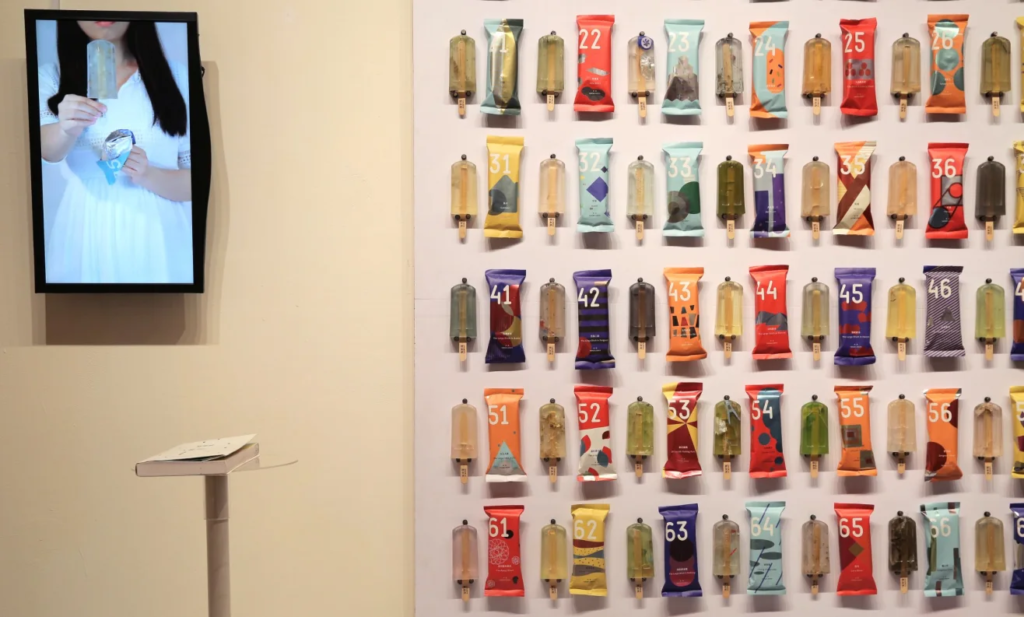
The team also created an individual wrapper for every popsicle.
The colourful packages imitate the visual language used to sell frozen desserts. Each one identifies the location where its water sample was collected, turning the collection into a labelled record of Taiwan’s waterways.
The clean packaging creates a deliberate contrast with the contaminated object inside.
Consumer products are normally designed to make their contents feel safe and desirable. Here, design performs the opposite role. The wrapper attracts attention before revealing something that viewers find unpleasant.
This tension encourages people to consider how easily environmental damage can remain hidden behind the surfaces of modern life.
The popsicles may look suitable for a shop freezer, but their contents show what had been discarded into public water systems.
Plastic waste appears throughout the collection
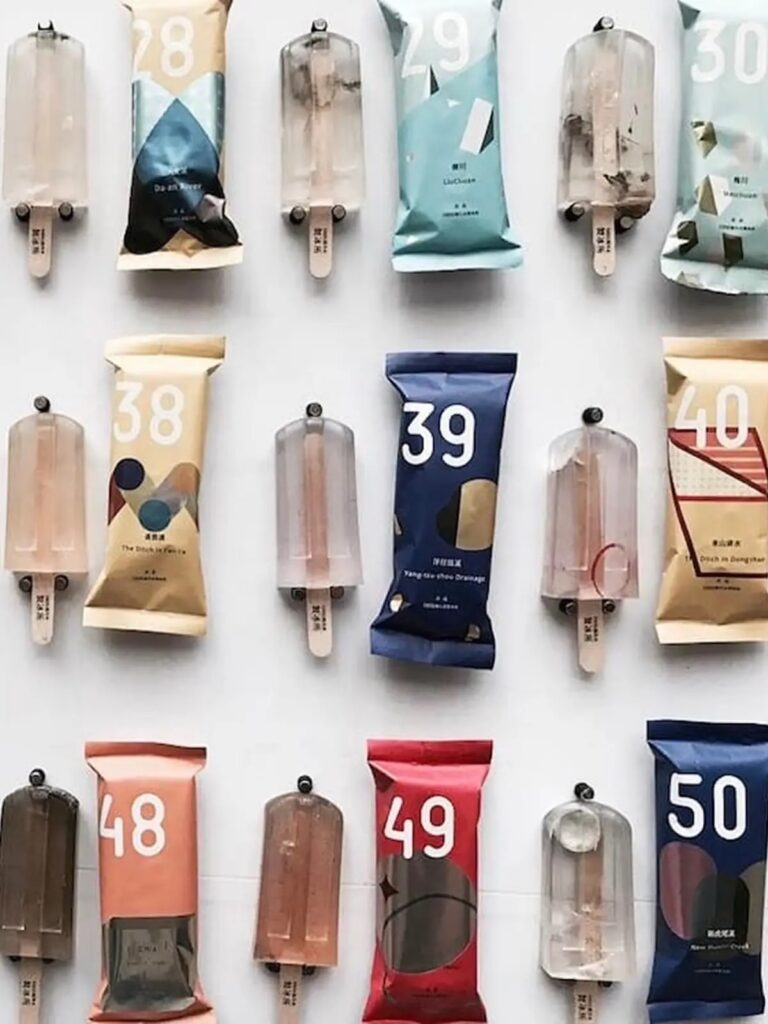
Many of the most visible contaminants inside the popsicles are pieces of plastic.
Bottle caps, packaging fragments and wrappers can be seen suspended in the murky resin. Reports about the project indicated that plastic accounted for approximately 90% of the rubbish found in the collected samples.
Other pollution was less visible. Contaminated waterways can also contain sewage, heavy metals and chemicals that cannot be identified simply by looking at the water.
The project does not attempt to provide a full scientific analysis of every sample. Its purpose is visual communication.
By concentrating on the objects people can see, the students connect everyday consumption with the waste entering rivers and coastal environments.
The packaging people throw away can eventually return as part of the water surrounding their cities.
An environmental warning becomes desirable design
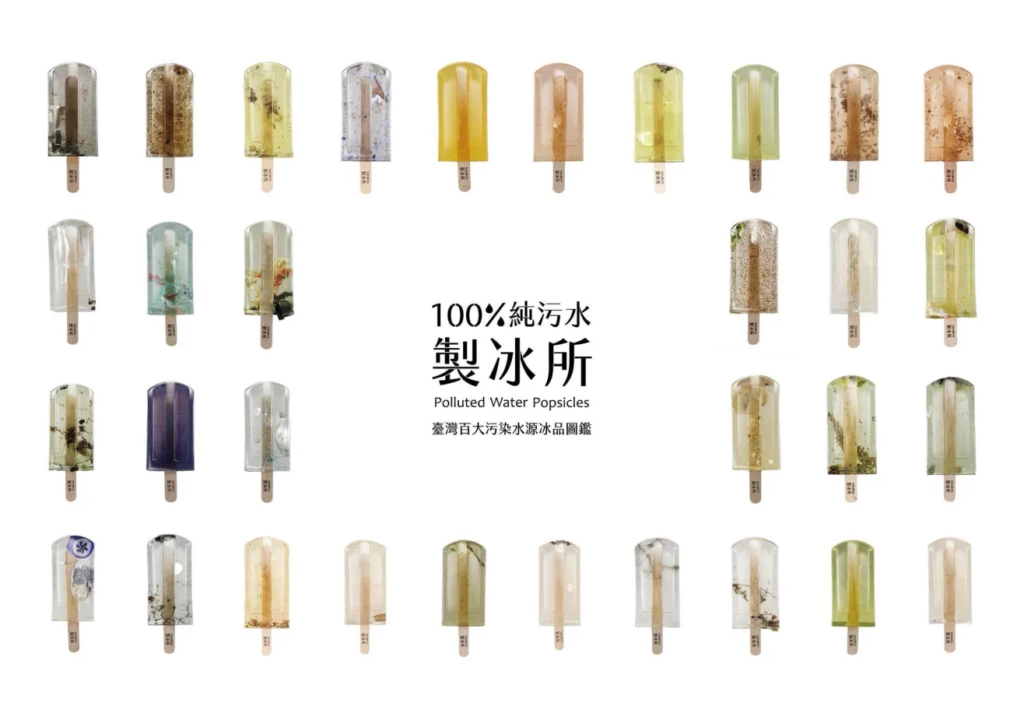
The popsicles gained attention partly because they are visually appealing despite their subject matter.
Their transparent forms, unexpected colours and carefully designed wrappers resemble an artisanal product collection. That beauty encourages people to look before the contamination creates a second, more uncomfortable reaction.
This makes the project different from environmental communication that begins with shock or destruction. “Polluted Water Popsicles” first creates curiosity and then allows viewers to discover the problem themselves.
The format is also easily understood across languages. Viewers do not need detailed knowledge of Taiwan’s geography or water systems to recognise that rubbish should not be inside something resembling food.
The student project reached an international audience
“Polluted Water Popsicles” was presented at the 2017 Young Designers’ Exhibition at the Taipei World Trade Center and was nominated for the Young Pin Design Award.
Images of the collection subsequently travelled around the world, bringing international attention to both the students and Taiwan’s water-pollution problem.
The project did not release measurable results related to waste reduction, changes in public behaviour or improvements to the waterways sampled.
Its impact was primarily communicative. It made an environmental issue visible through an object people could immediately understand, photograph and share.
By turning dirty water into something shaped like a treat, the students created a simple but unsettling question: if this water looks unacceptable inside a popsicle, why should it be acceptable inside a river?
Credits
“Polluted Water Popsicles,” also presented under the Chinese title “100% Pure Sewage Ice Popsicles,” was created in 2017 by visual communication design students Hung Yi-chen, Guo Yi-hui and Cheng Yu-ti at the National Taiwan University of Arts in New Taipei City, Taiwan. Hung Yi-chen was also credited for the project photography. The work was an independent graduation project rather than a campaign commissioned by a commercial brand or advertising agency.
About the work
Campaign details
Related
More in Editor's Pick

Popular
Popular posts

More stories