Case Studies
Vaseline Verified turned viral hacks into products and global partnerships
 By Archit
·
·
5 min read
By Archit
·
·
5 min read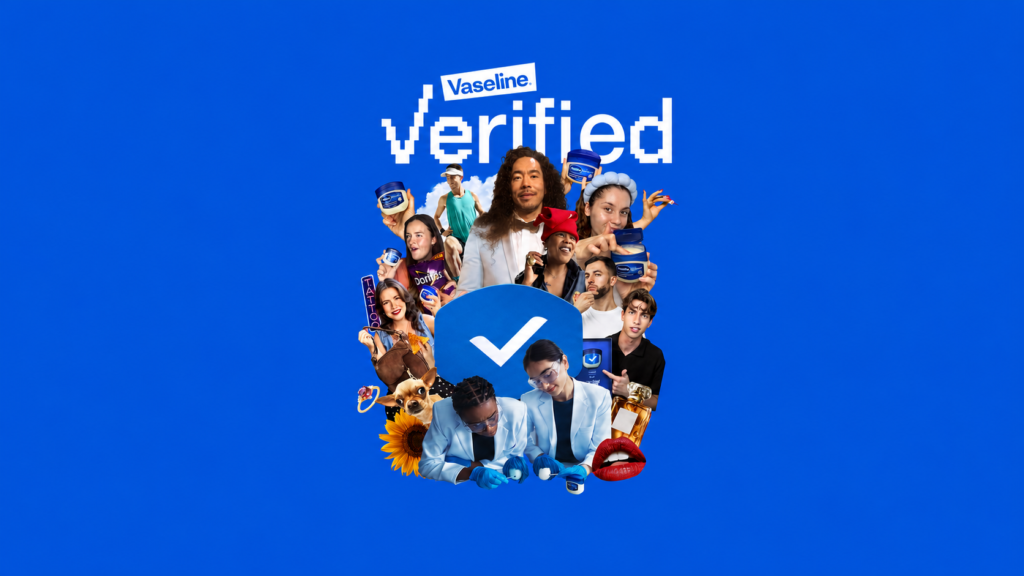
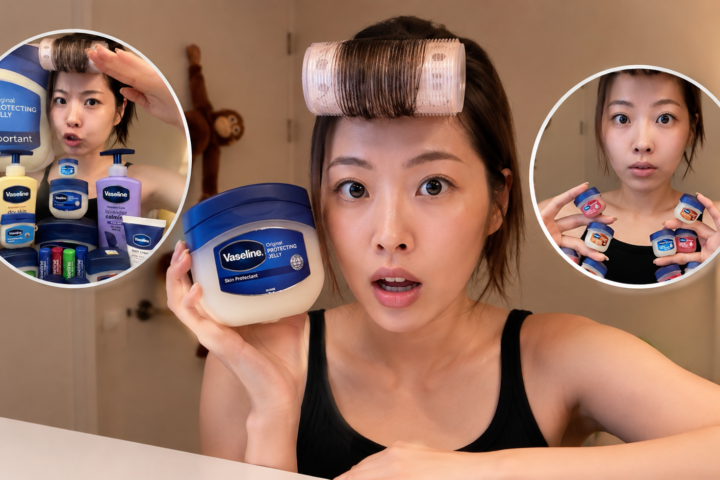
People had been finding new uses for Vaseline Jelly long before the brand asked them to. They used it to tame eyebrows, create glossy skin, soften leather and protect runners from friction. In 2025, Vaseline began testing those tips instead of simply watching them spread. Vaseline Verified, created by Ogilvy Singapore, turned social media hacks into a growing system of lab tests, creator partnerships and new products.
A year later, the campaign is no longer only verifying what people do with the jelly. It is changing what Vaseline makes.
The Internet Wrote the Brief
Vaseline began with thousands of posts showing people using the product in ways that rarely appeared in its advertising.
Some tips had travelled through families for decades. Others were newer beauty routines shared through YouTube, TikTok and Instagram. Together, they showed that one jar had developed a much larger life than its packaging suggested.
The problem was trust. A popular video could make any claim feel credible, even when the advice was ineffective or unsafe.
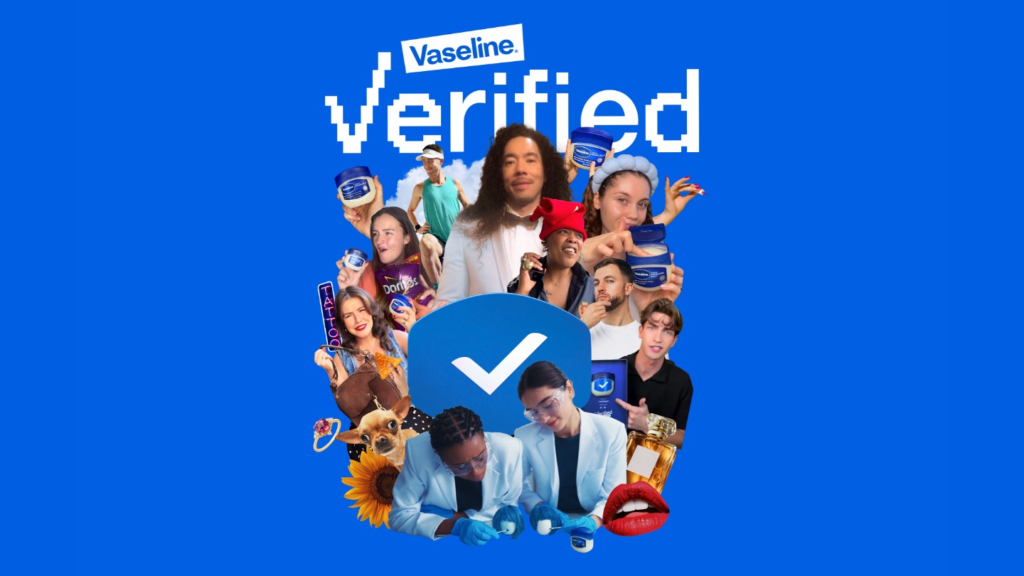
Vaseline brought those tips into its laboratories. Scientists tested each use, then gave the ones that worked a Vaseline Verified seal. Meanwhile, myths that failed the tests were labelled unverified.
That simple response changed the role of the brand. Vaseline did not arrive in the comments to interrupt creators or claim ownership of their ideas. Instead, it gave those ideas evidence and helped the original voices travel further.
The Lab Became the Content
The tests were filmed as short social videos rather than hidden inside a technical report.
A creator would demonstrate the hack. After that, Vaseline scientists would recreate it under controlled conditions and explain what happened. The format kept the personality of the original post while adding something social media could not supply on its own.
The campaign also reacted to cultural moments. Canadian director Cole Walliser demonstrated the old Hollywood trick of applying petroleum jelly to a camera lens to create a soft, dreamy image. Vaseline then tested the technique and connected it to the brand’s wider beauty story.
Another partnership brought Vaseline together with Flamin’ Hot. The limited-edition pack paired spicy crisps with Vaseline Jelly, drawing attention to a community tip involving a protective layer on the lips before eating hot food.
At the same time, outdoor ads addressed uses that failed the test. Suggestive images carried the message “It’s Not What You Think,” allowing the brand to correct misinformation without turning the campaign into a lecture.
The Hacks Became Products
In March 2026, Vaseline turned two long-running beauty tips into its first creator-inspired product line.
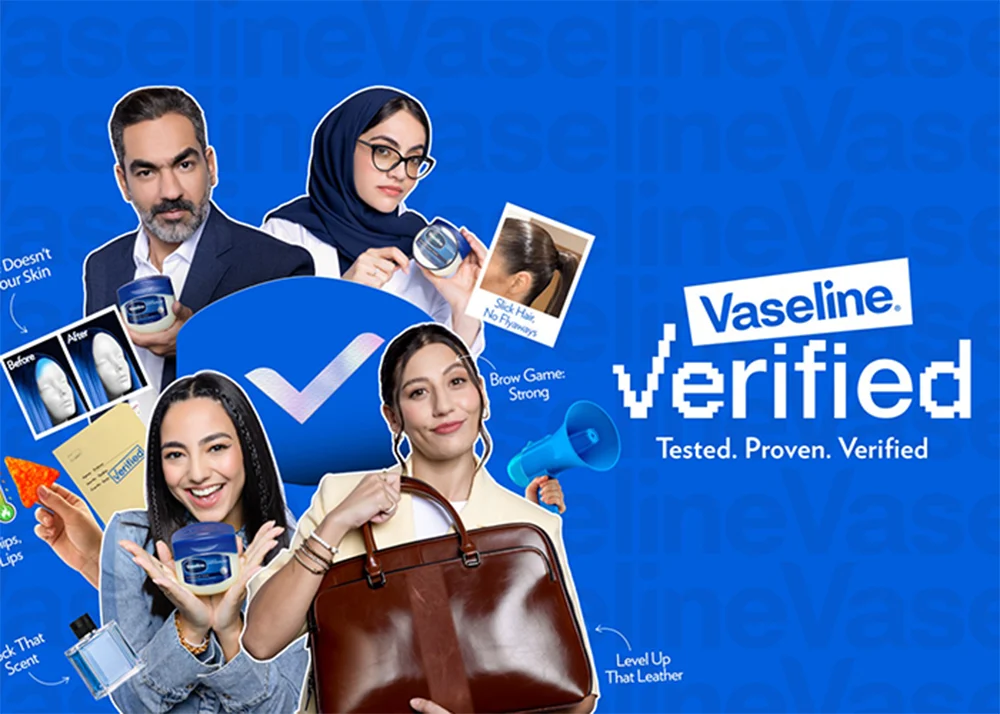
Vaseline Originals launched on TikTok Shop in Thailand with an All-In-One Primer and Highlighter Jelly and a Brow Tamer Jelly. The first transformed the familiar glass-skin routine into a stick that could be applied more easily. The second added a spoolie wand for shaping and setting eyebrows.
Both products came from ideas shared years earlier by beauty creators Lauren Luke and Jen Chae. Vaseline brought them back for the launch, credited their role and allowed them to earn from the sales.
The first TikTok Live drop sold out in under a minute. A second stock release also sold out, and the range began moving into more Asian markets.
More importantly, the campaign had crossed a clear line. Vaseline was no longer using creator behaviour only as advertising material. It was allowing that behaviour to influence product design, packaging and retail.
From Beauty Routines to Marathon Routes
Another verified use took Vaseline into distance running.
Runners had used the jelly for years to reduce friction during long races. Vaseline formalised that habit through The Nipple Sponsorship and became the Official Nipple Protector of the 2026 TCS London Marathon.
The title was playful. However, the service was practical. Vaseline supplied products before the race and set up Nip Stops along the route so runners could reapply when they needed help.
The platform then travelled into running communities across cities including Barcelona, Caracas, Singapore, Sydney, Rotterdam and Hong Kong. Race activations, running clubs and creator content adapted the idea for each market.
That expansion showed how flexible Vaseline Verified had become. One hack could lead to a beauty product sold through TikTok. Another could lead to a partnership with one of the world’s biggest marathons.
Both began with people already using the same jar.
What Came After
Vaseline Verified won two Grand Prix and a Titanium Lion at Cannes Lions in 2025. In 2026, it added five Yellow and four Graphite Pencils, along with major recognition at The One Show and the Clio Awards.
The awards followed a change that went beyond campaign craft. Vaseline had found a way to keep a 150-year-old product inside current culture without pretending the brand had invented every conversation around it.
The community supplied the behaviour. Scientists supplied the proof. Creators received recognition. Finally, the strongest ideas became things people could buy or experience.
Vaseline Verified began by asking whether an internet hack worked. It now asks a more useful question.
What should the brand do with it next?
Credits
Vaseline Verified (2025 onwards) — Vaseline / Unilever, global campaign. Lead agency: Ogilvy Singapore. Supporting agencies: Ogilvy UK, Ogilvy South Africa and Ogilvy US. Public relations: Edelman. Media: Mindshare. Social: VaynerMedia. Production partners: WhiteCoat, FVSE and Big Sync Music. Extensions include Vaseline Originals and The Nipple Sponsorship. Awards include two Grand Prix and a Titanium Lion at Cannes Lions 2025, five Yellow and four Graphite Pencils at D&AD 2026, and major recognition at The One Show and the Clio Awards.
Related
More in Case Studies

Popular
Popular posts

More stories