Case Studies
The KitKat Heist turned 12 tonnes of stolen chocolate into a global hunt
 By Archit
·
·
5 min read
By Archit
·
·
5 min read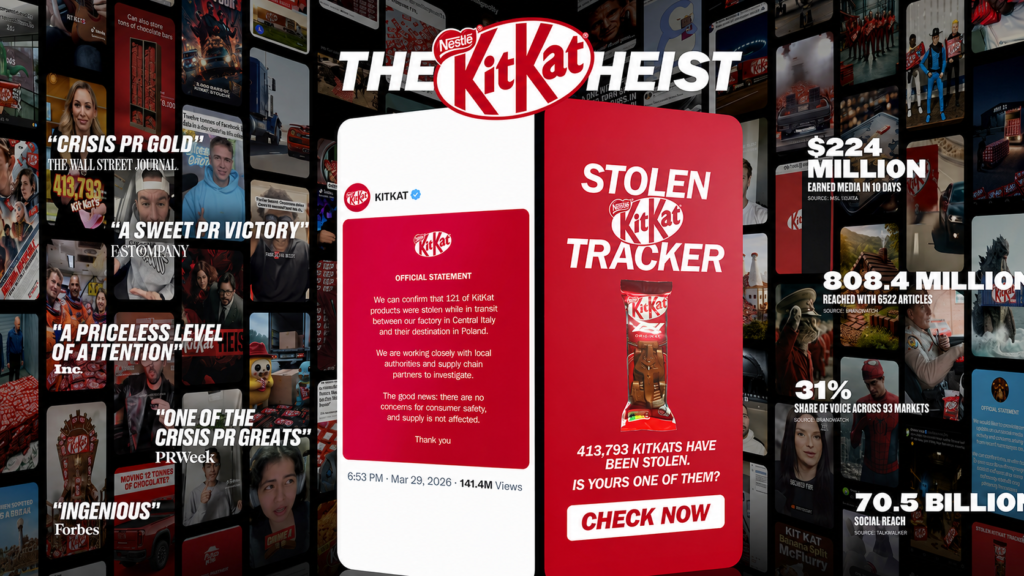
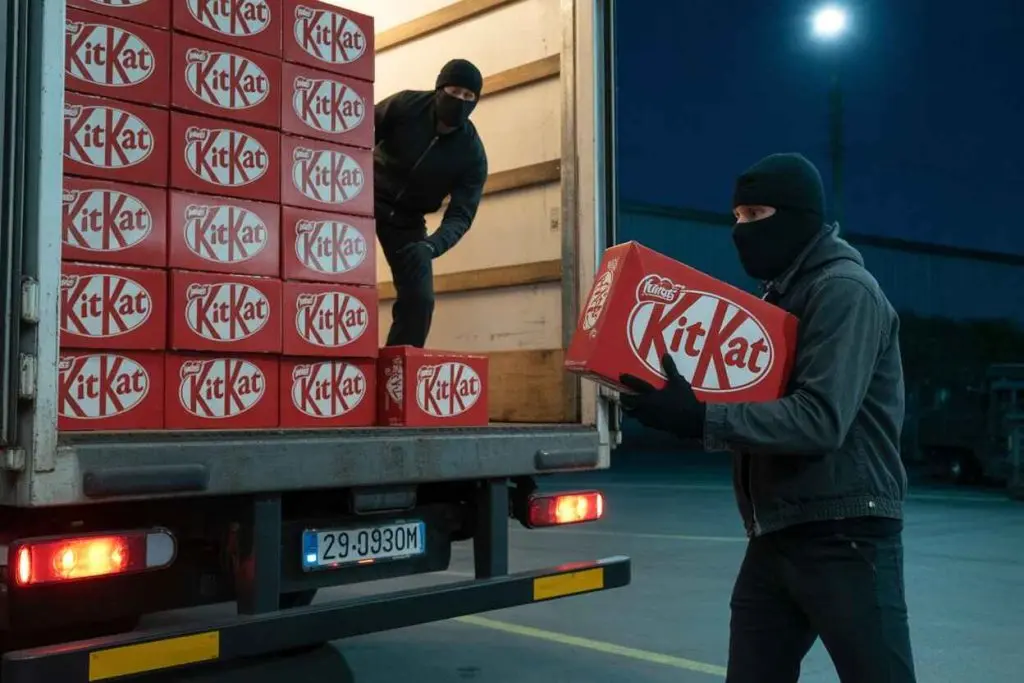
A truck carrying 413,793 KitKat bars disappeared while travelling between Italy and Poland in March 2026. The timing made it worse. Easter was one week away, and twelve tonnes of chocolate had vanished during the busiest period of the year. KitKat responded by making the theft public, then asking the world to help find the missing bars through the Stolen KitKat Tracker. VML created The KitKat Heist with Burson.
The result turned a supply problem into a real investigation that millions of people could join.
A Real Theft Became the Story
KitKat had enough material for a strange news story before an agency wrote a single line. A full truck had gone missing. The exact number of bars was oddly specific. Meanwhile, the timing sat close enough to April Fool’s Day for many people to assume the announcement was a stunt.
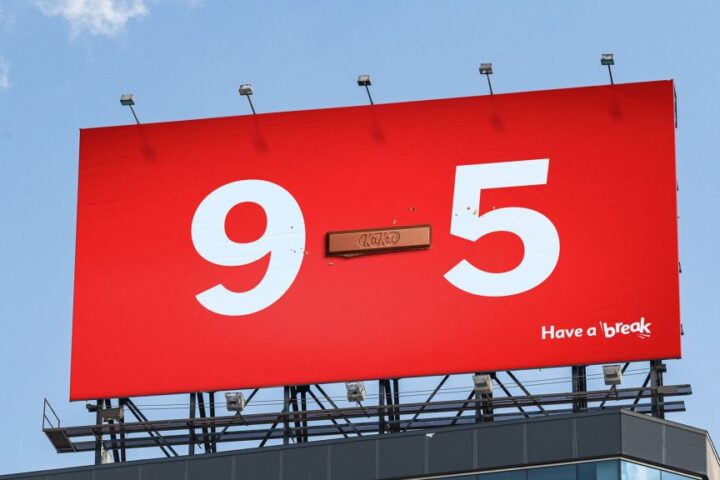
The brand confirmed that the theft was real and used the language it had owned for almost seventy years. The thieves had taken “Have a break” too literally and made a break with more than twelve tonnes of chocolate.
That line kept the response recognisably KitKat without turning the crime into a joke. The shipment was still missing, local authorities were investigating, and the loss threatened stock before Easter. However, the public statement gave people a reason to follow the story rather than see it as an internal logistics issue.
The campaign unfolded in two stages. First, KitKat released clear statements across its social channels and let the facts travel. News outlets, creators and other brands quickly picked up the heist. After the mystery had gathered attention, KitKat gave that audience something to do.
The Tracker Turned Curiosity Into Work
Every stolen pack carried a traceable batch code. KitKat used that detail to build the Stolen KitKat Tracker, a digital tool where people could enter the code printed on their chocolate and check whether it belonged to the missing shipment.
The mechanic was simple enough to explain in one sentence. Buy or find a KitKat, enter the code and see whether you were holding stolen goods.
As a result, the campaign changed the role of the audience. People were not only sharing a strange story. They were checking real products that might have entered shops through unofficial channels. If the tracker found a match, the user received instructions for passing the information back to KitKat so it could reach investigators.
The tool also gave the story a second life. A theft announcement could have peaked after a day of jokes and headlines. Instead, the tracker created a fresh reason to buy, check, post and return. More importantly, it tied the playful public response to the practical problem behind it.
The campaign never pretended that internet users were going to solve an international cargo theft by themselves. Still, it gave millions of small actions a possible use.
The Internet Joined the Investigation
The KitKat Heist spread because other people could add to it without needing a detailed brief. Domino’s, KFC, Ryanair and more than one hundred other brands joined the conversation with their own theories, offers and jokes. Meanwhile, creators treated the disappearance like a heist film unfolding in real time.
That participation kept KitKat at the centre of the story while allowing the campaign to grow far beyond the brand’s own accounts.
The tracker generated more than 2.2 million engagements and produced genuine leads for the police investigation. More than 115 brands joined the conversation, while KitKat captured 44 percent of Meta views around Easter.
KitKat did not buy a traditional campaign to create that reach. The theft supplied the plot. The brand supplied the tone, the timing and the tool that kept people involved.
The Impact
The KitKat Heist won the PR Grand Prix at Cannes Lions 2026, along with further Gold and Silver Lions across PR, Media, Social and Creator, and Direct.
The award mattered because this was not a fictional stunt built to look like a crisis. The truck was genuinely missing. Legal teams and investigators remained part of the process. Meanwhile, every public line had to be funny enough to travel without making the brand appear careless about a real crime.
VML and Burson found the balance by keeping the facts straight and placing the wit around them. The first statement gave the internet a story. The tracker then turned that attention into participation.
KitKat had spent decades telling people to take a break. In 2026, someone took the line literally, and the brand made the whole world check the wrapper.
Credits
The KitKat Heist (2026). KitKat / Nestlé, global campaign originating in Europe. Agency: VML London. PR: Burson London. Media: OpenMind New York. Chief Creative Officer: Ryan McManus. Executive Creative Director: Sanjiv Mistry. Creative Director: Christopher Joyce. Lead Creatives: Hanri Le Roux and Nathan Burley. Strategy Director: João Caputi. Burson Creative Director: Greg Double. Awards: PR Grand Prix, plus Gold and Silver Lions across PR, Media, Social and Creator, and Direct at Cannes Lions 2026.
Related
More in Case Studies



Popular
Popular posts


More stories