Editor's Pick
The Cat Conversion System: Whiskas recruited cat haters to foster cats
 By Archit
·
·
4 min read
By Archit
·
·
4 min read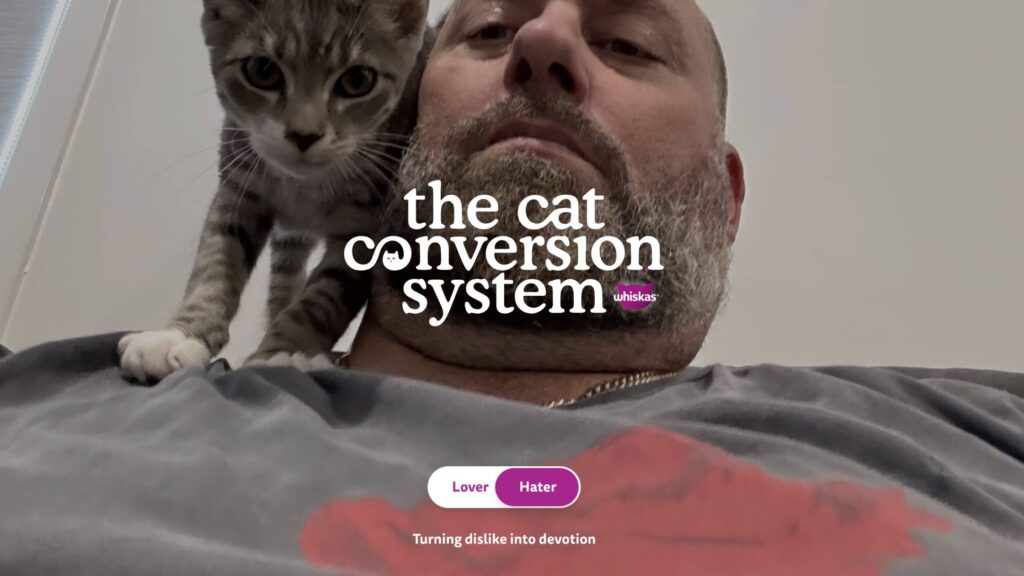
In March 2025, Whiskas went looking for people who said they disliked cats. The Cat Conversion System invited those sceptics to foster a shelter cat for two weeks and test whether their opinion survived living with one. Created by CHEP Network and AMV BBDO, the Australian campaign treated dislike as an untapped source of potential adopters.
The thought was blunt. Cat lovers were already easy to reach. Whiskas wanted the people who had never considered giving a cat space in their home.
Cat Haters Wanted
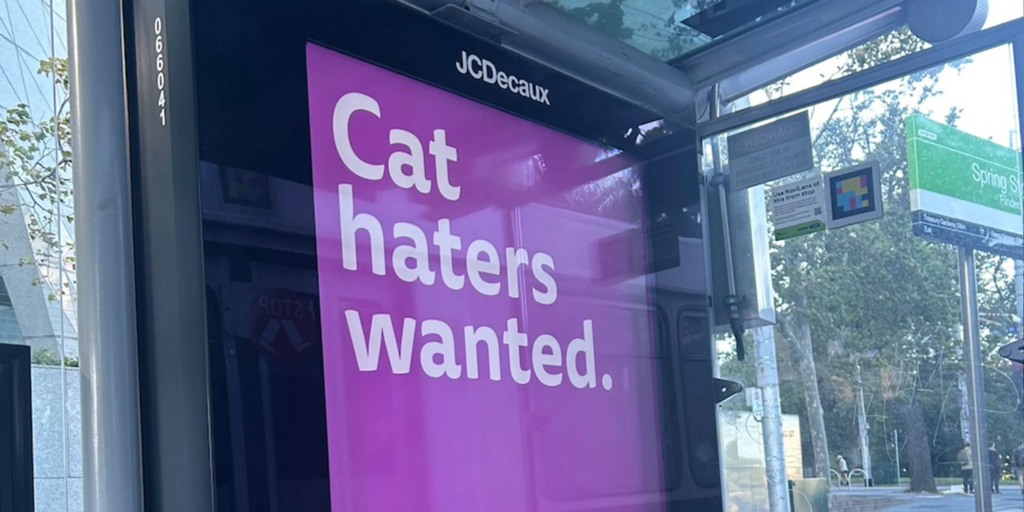
The campaign began with green outdoor posters carrying the line “Cat Haters Wanted.” The first wave kept the reason deliberately unclear. After the reveal, the posters explained that people who liked cats the least were now the people shelters needed most.
The message directed sceptics to an online platform where they could apply to foster a cat for two weeks. Meanwhile, rescue partners Hills Cat Rescue in Sydney and 9 Lives Project Rescue in Melbourne helped match each participant with a suitable animal.
The foster period lowered the size of the first decision. Whiskas was not immediately asking someone to commit to years of cat ownership. Instead, it asked them to share their home for fourteen days and see what happened.
That made the campaign feel closer to a trial than an adoption appeal. However, the product being tested was not cat food. It was the participant’s own certainty.
The System Followed Dislike
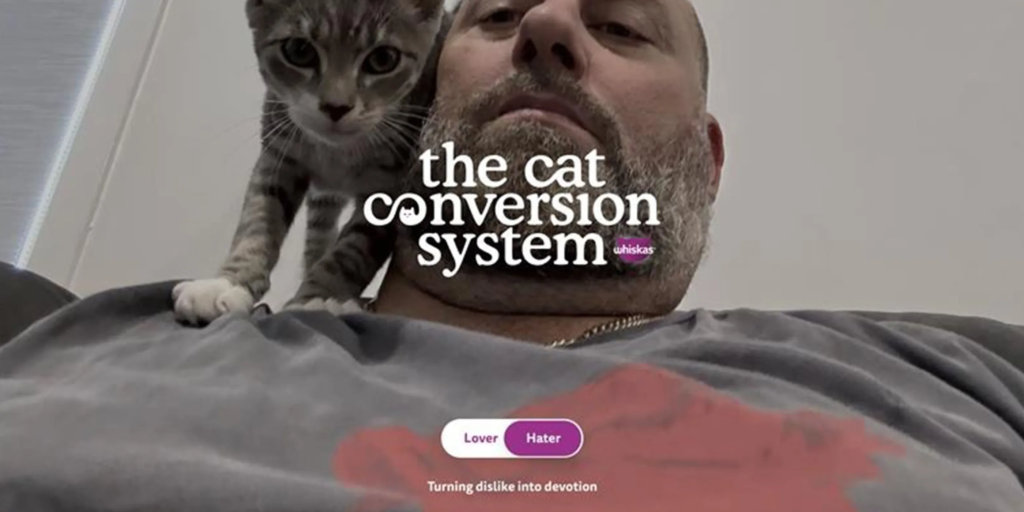
EssenceMediacom used postcode targeting to place campaign messages in parts of Sydney and Melbourne identified as more sceptical towards cats. As a result, the media spend focused on households the campaign was trying to convert rather than people who already filled their feeds with kittens.
The TikTok idea pushed that logic further. Swiping past cat videos became a possible sign of dislike. The campaign planned to use that behaviour to identify sceptics and serve them recruitment messages.
It inverted the usual social media signal. Engagement normally tells an advertiser what someone likes. Here, avoidance became useful data.
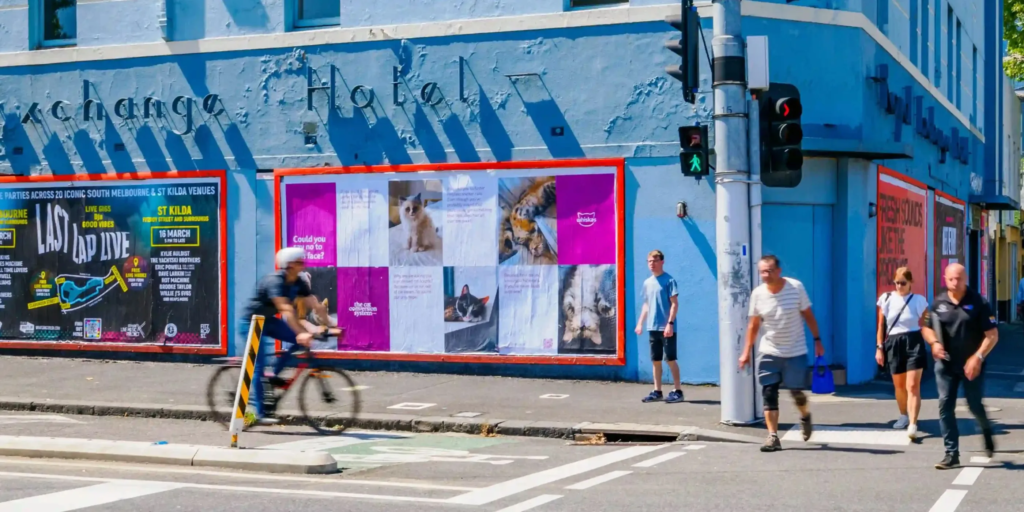
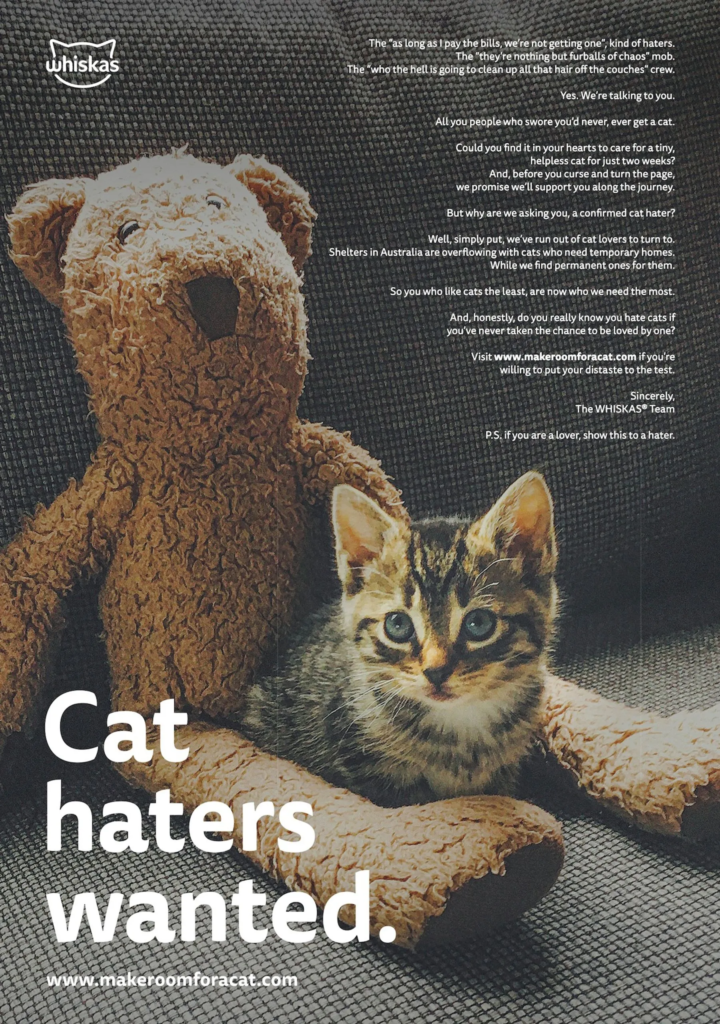
At the same time, the outdoor copy spoke directly to the reluctant audience. “Honestly, if there was anyone else, we wouldn’t be asking” made the recruitment feel like a last resort. Another line told sceptics that liking cats the least was exactly why they were needed most.
Two Weeks Inside the Experiment
Participants received a digital Cat Conversion Toolkit with fostering advice, behavioural guidance and support. Pet Circle also offered discounts on Whiskas food, litter, toys and other essentials.
A selected group then documented the foster period through social media. Their daily footage captured the awkward beginnings, small frustrations and unexpected signs of attachment that arrived once a cat settled into the home.
Australian television personality Jamie Durie joined as a self-described cat sceptic and fostered a three-month-old kitten named Iskra. Meanwhile, presenter Jo Stanley appeared as the cat-lover counterpoint.
These stories gave the campaign evidence beyond the recruitment copy. Viewers could watch someone move from hesitation to routine, then from routine to affection. In fact, that gradual change was the real content of the system.
The Bigger Point
The Cat Conversion System treated resistance as a starting audience rather than a dead end.
Whiskas did not try to win the argument with another list of reasons cats make good pets. Instead, it arranged a temporary experience and allowed the animal to make the case. The media found the sceptic. The shelter found the right cat. The foster period did the rest.
More importantly, the campaign connected that change of mind to a practical need. Every successful conversion created another possible foster home, adopter or person willing to reconsider shelter cats.
The idea depended on a small gamble. Someone who claimed to dislike cats might feel differently after one began sleeping on the sofa, following them into rooms and waiting by the food cupboard.
Whiskas gave that possibility a system.
Credits
The Cat Conversion System (2025). Whiskas and Mars Petcare, Australia. Agencies: CHEP Network and AMV BBDO. Chief Creative Officers: Nadja Lossgott and Nicholas Hulley. Creative Director: Andre Sallowicz. Creative Team: Will Brookwell and Louis Prenaud. Planning: Suzy Barker and Brian Williamson. Account Team: Laura Balfour and Stephanie O’Neil. Social Team: Matt Henry, Avalon Cole and Ben Casey. Media: EssenceMediacom. PR and Talent: Enthral. Rescue partners: Hills Cat Rescue and 9 Lives Project Rescue.
Related
More in Editor's Pick


Popular
Popular posts



More stories