Case Studies
The Best Place to Have Herpes: New Zealand Herpes Foundation rallied a nation
 By Archit
·
·
6 min read
By Archit
·
·
6 min read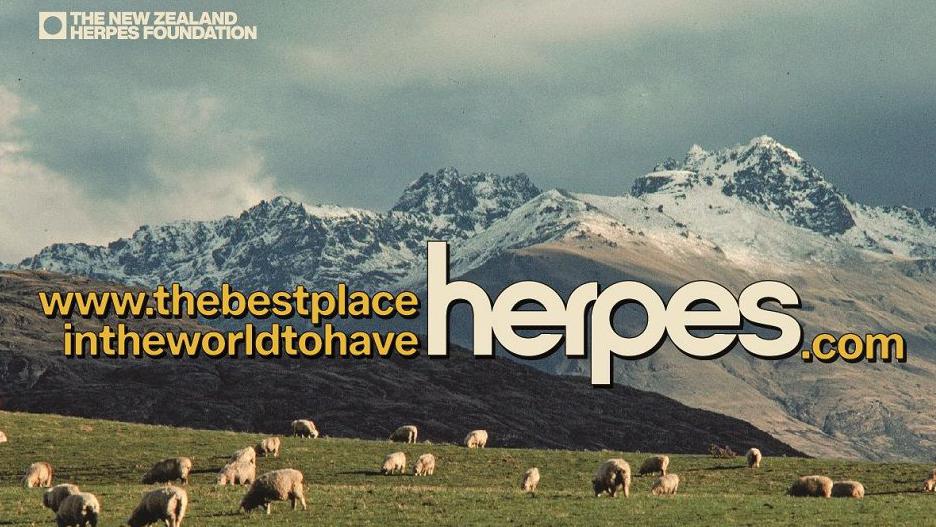
In October 2024, the New Zealand Herpes Foundation asked the country to become the best place in the world to have herpes. A retro tourism film, an educational video course and a live international leaderboard turned a difficult health conversation into a shared national target. Motion Sickness created the campaign with FINCH, TRA, ED and DigPR.
The title sounded provocative. However, the goal was serious.
The problem was stigma, not rarity
Herpes is common, but the shame attached to it can leave people feeling isolated.
The campaign cited estimates that up to 80 percent of New Zealanders may contract oral or genital herpes during their lifetime. Meanwhile, one in three sexually active adults in the country has the virus that can cause genital herpes.
For many people, the emotional effect of a diagnosis can be worse than the physical symptoms. Campaign research found that 30 percent of diagnosed New Zealanders experienced depressive or suicidal thoughts.
The New Zealand Herpes Foundation had worked on the issue for more than two decades. It supplied medical information, support and practical guidance. Still, public attitudes remained difficult to change.
Herpes continued to appear as a joke across films, television and everyday conversation. That humour usually made people with the virus the target.
Motion Sickness used comedy differently.
The campaign made national pride the joke, while treating the people affected by herpes with care.
National pride became the entry point
The main film looked like an old New Zealand tourism advertisement.
Former All Blacks coach Sir Graham Henry appeared as a national leader searching for something the country could win. Rugby glory felt uncertain. The sheep-to-person ratio had fallen. Even the price of a pie had become difficult to celebrate.
Then he revealed a new national ambition.
New Zealand should become the best place in the world to have herpes.
The proposal was absurd enough to attract attention. However, it also gave the country a clear and useful definition of success.
Being the best did not mean having the most infections. It meant having the least stigma.
That distinction allowed people to engage with the subject without first entering a frightening medical discussion. The film began with a familiar form of New Zealand humour, then directed viewers towards accurate information.
Sir Graham was joined by other well-known New Zealanders. They included former Director-General of Health Sir Ashley Bloomfield, former All Black Sir Buck Shelford, comedian Angella Dravid and boxer Mea Motu.
Each presenter brought a different audience into the campaign. More importantly, their participation showed that herpes could be discussed publicly without embarrassment.
The course turned education into national progress
The campaign website contained a Herpes Destigmatisation Course made up of short educational videos.
The lessons addressed common misunderstandings, the effect of stigma and ways to support someone living with herpes. Medical guidance remained central, but the presentation stayed warm and accessible.
At the same time, research company TRA created a Herpes Stigma Index covering ten OECD countries.
The index gave each country a position on a global leaderboard. New Zealand did not begin at the top.
Course activity and online engagement helped the country earn points. Therefore, someone could improve their own understanding while also contributing to a national result.
That mechanic gave private learning a public purpose.
A person did not need to announce that they had herpes or explain why they were watching. They could complete the lessons alone. Still, their participation became part of a larger effort to reduce stigma.
The live leaderboard also gave the campaign somewhere to go after the launch film.
New Zealand now had a position to improve, other countries to pass and a result that could change as more people took part.
The health message became an ongoing competition.
The Impact
Over eight weeks, the campaign reported 10,776 hours of educational content watched.
More than 100 news stories created 22 million global public relations impressions. Meanwhile, 86 percent of participants said they felt more comfortable discussing herpes after engaging with the work.
New Zealand also reached first place on the campaign’s Herpes Stigma Index.
These were campaign-reported results rather than an independent long-term health study. However, they showed that people spent significant time with information that had previously been difficult to make widely appealing.
The campaign also gave the Foundation a level of international attention it had not expected. Herpes organisations, researchers and media outlets outside New Zealand began sharing and discussing the course.
In 2025, the work received the Grand Prix for Good and the Lions Health and United Nations Foundation Grand Prix for Good at Cannes Lions. It also earned three Wood Pencils at D&AD and a Bronze Pencil at The One Show.
The awards recognised the campaign across health, writing, entertainment and integrated work.
That range reflected the structure of the idea. It was a film, a course, a research tool and a national participation platform at the same time.
What Made It Different
The Best Place in the World to Have Herpes gave people a reason to approach a subject they might otherwise avoid.
The campaign did not make light of the diagnosis or its emotional effect. Instead, it used humour to challenge the shame surrounding it.
National pride created the invitation. Familiar public figures made the conversation feel safer. Meanwhile, the course gave people accurate information after the joke had earned their attention.
The leaderboard then changed education from a private task into something the country could achieve together.
New Zealand was not competing to have more herpes.
It was competing to treat people who had it with more understanding.
Credits
Make New Zealand the Best Place in the World to Have Herpes (2024). New Zealand Herpes Foundation, New Zealand. Agency: Motion Sickness. Executive Creative Director: Sam Stuchbury. Creative Directors: Elliot Schultz and Melina Fiolitakis. Strategy: Hilary Ngan Kee and Chelsea Knowles. Senior Art Director: Hamish Steptoe. Production: FINCH. Director: Alex Roberts. Director of Photography: Marty Williams. Design and digital: ED. Research: TRA. Public relations: DigPR. Sound: Bigpop Studios. Awards: Cannes Lions Grand Prix for Good, Lions Health and United Nations Foundation Grand Prix for Good, three D&AD Wood Pencils and The One Show Bronze Pencil.
Related
More in Case Studies



Popular
Popular posts

More stories