Case Studies
Sightwalks: Cemento Sol built sidewalks to guide visually impaired people
 By Archit
·
·
3 min read
By Archit
·
·
3 min read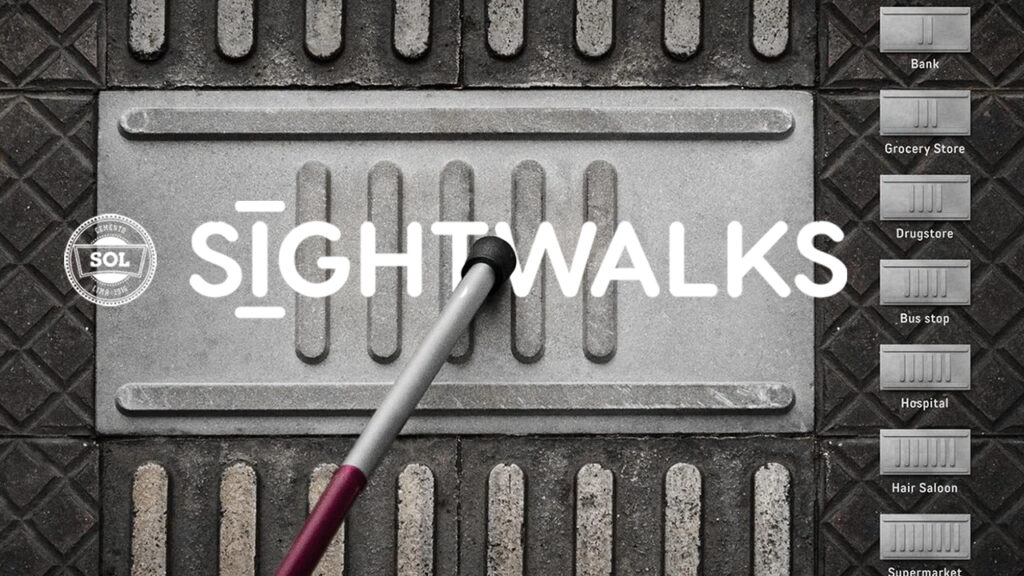
For someone who is blind, a tactile sidewalk helps with one important job. It shows where to walk. But it says nothing about what is around them. A pharmacy, a bank, a café or a bus stop can all sit just a few steps away, yet there is no way to tell which one is nearby without asking someone else.
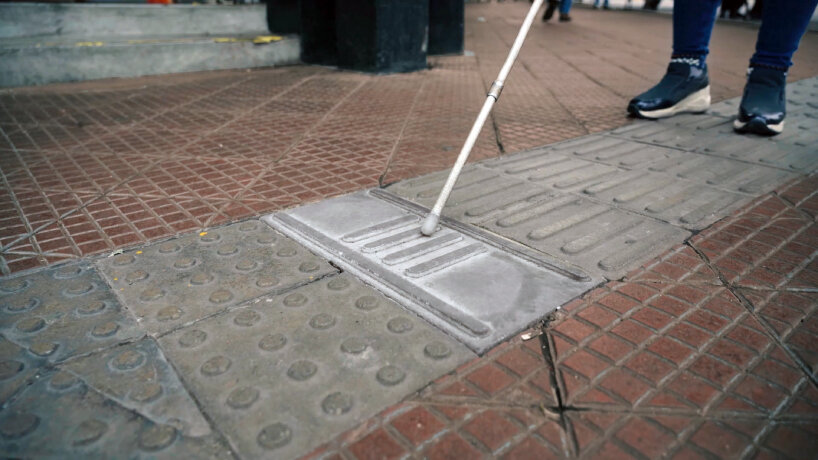
That simple gap became the idea behind Sightwalks, a campaign by Cemento Sol and Circus Grey Peru. Instead of creating a new device or another mobile app, the team improved the sidewalk itself. They added a system of tactile patterns that helps blind pedestrians identify nearby places with nothing more than the tip of a cane.
The Sidewalk Already Had Half the Answer
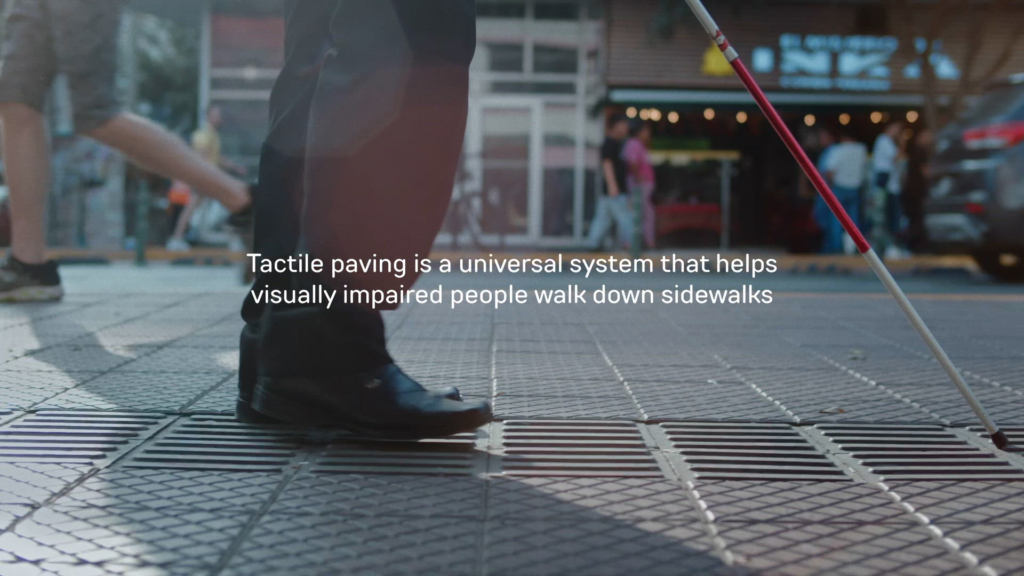
Tactile paving has existed for decades. It helps people stay on the right path and warns them about crossings, stairs and other changes in the street.
Cemento Sol noticed that the system stopped there.
Knowing where to walk is only part of moving around a city. People also need to know where they are. Is this the entrance to a hospital? A supermarket? A bus stop? Until now, the sidewalk could not answer those questions.
Sightwalks gave it a new job.
Teaching the Sidewalk a New Language
The campaign introduced a set of simple tactile patterns. Each pattern stood for a different type of place, such as healthcare, transport, food or financial services.
Blind pedestrians could feel these patterns with their cane before reaching the entrance. There was no need for a phone, headphones or special equipment. The information was already built into the sidewalk.
The system was developed with organisations representing blind and visually impaired people. It was tested for almost two years before being installed across thousands of square metres of sidewalks in Miraflores, Peru.
More importantly, the design was made open for other cities to use and improve.
A Small Change With a Big Impact
The best ideas often improve something people already trust.
Sightwalks did not ask blind pedestrians to learn a completely new system. It built on one they already understood. The familiar guiding path stayed the same. The campaign simply added another layer of information.
That decision also made the project easier for cities to adopt. Instead of replacing existing infrastructure, local authorities could expand what was already there.
Sometimes innovation means adding more technology. This time, it meant making better use of concrete.
The Bigger Point
Accessibility is often treated as a separate feature that helps a small group of people. Sightwalks takes a different view.
It treats accessible design as part of everyday city planning. The sidewalk does not just guide people from one place to another. It becomes a quiet source of information that helps people move with more confidence and independence.
That is what makes Sightwalks memorable. The campaign did not invent a smarter city from scratch. It taught an ordinary sidewalk to say a little more.
Credits
Sightwalks (2024) — Cemento Sol, Peru. Agency: Circus Grey Peru. Developed in partnership with organisations representing blind and visually impaired people. The system was tested for nearly two years before being installed across sidewalks in Miraflores, Lima. The tactile design was released as an open system to encourage wider adoption. Creative and production credits should be verified before publication.
Related
More in Case Studies



Popular
Popular posts



More stories