Digital
Lost Coins: Burger King priced burgers with change found around the house
 By Archit
·
·
4 min read
By Archit
·
·
4 min read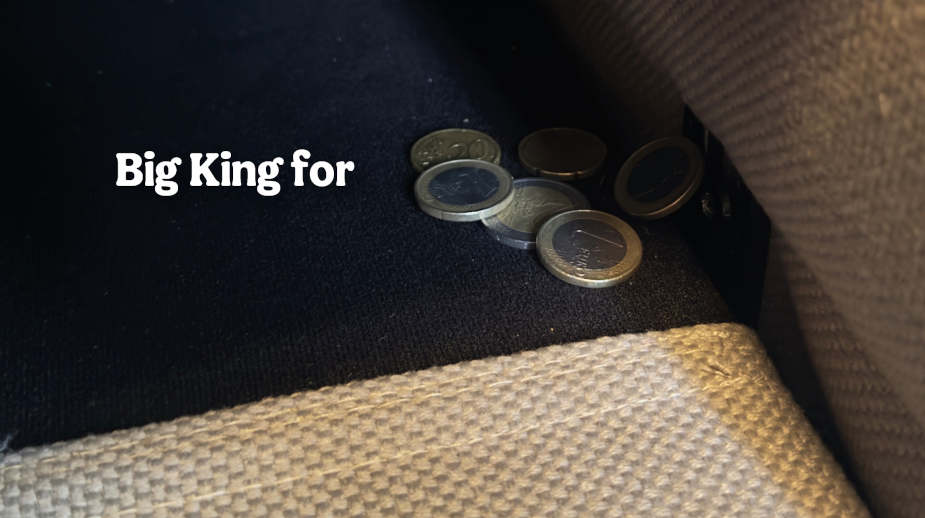
In July 2024, Burger King Belgium turned scattered coins into price tags. The change found under sofa cushions, beside car keys and inside a car cup holder added up to the exact price of a Crispy Chicken, Big King or Whopper. Happiness Brussels created Lost Coins as Belgium launched a national push to bring unused change back into circulation.
The Price Was Inside the Photograph
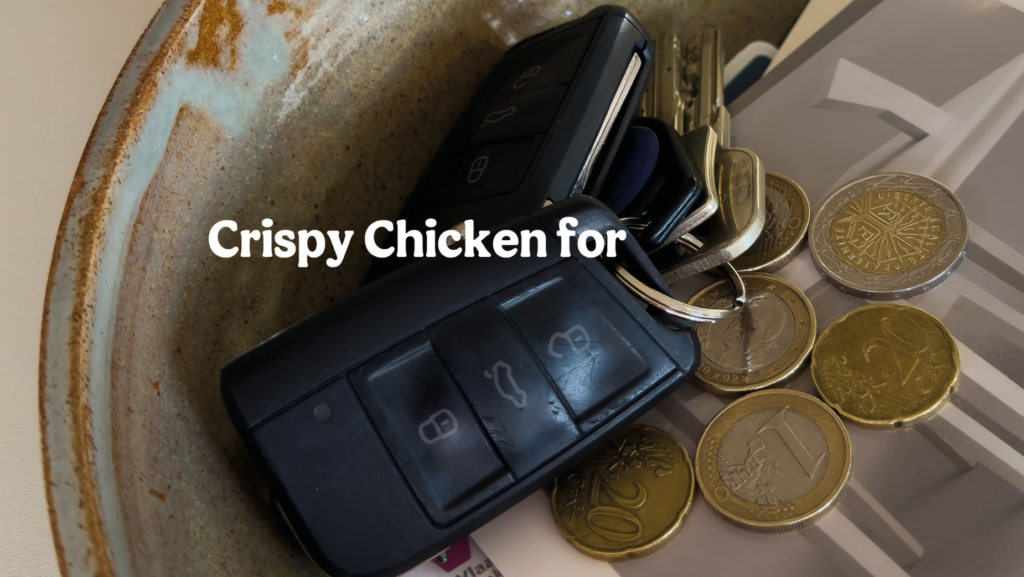
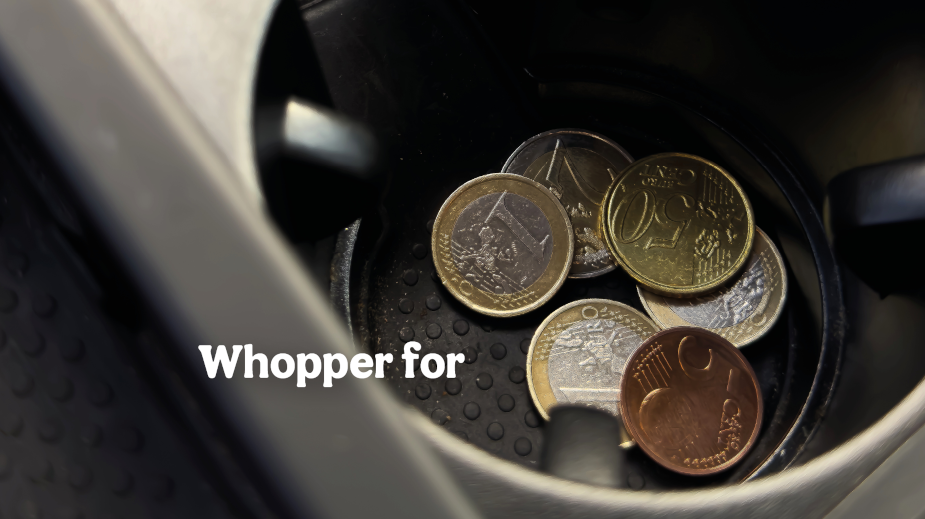
Each ad began with an unfinished line such as “Whopper for” or “Big King for.” The pile of coins completed the sentence.
Anyone who stopped to count them reached the correct menu price. As a result, Burger King could communicate affordability without printing a large price beside the product name.
The missing number also gave the reader a small job. At first, the coins looked like the loose change people ignore every day. After counting them, they became enough money for a burger.
That shift carried the whole campaign. The value had been visible from the beginning. It simply had not felt useful yet.
Belgium Wanted Its Coins Back
The campaign arrived during a real problem with coin circulation in Belgium.
More than 4.2 billion coins were in circulation, worth over €1.5 billion. However, many remained inside homes rather than returning to shops. The Belgian Treasury estimated that around 212 million coins were sitting unused in pockets, drawers, jars and sofa gaps. Retailers were therefore struggling to keep enough change available for customers paying with cash.
On 8 July 2024, the government launched #SpendYourChange, asking people to use those dormant coins for everyday purchases. Burger King followed with a commercial answer. The forgotten money could go back into circulation and pay for lunch at the same time.
The connection felt natural because the government campaign had already named the exact places where coins disappear. Burger King used those same locations as the setting for its advertising.
The Locations Made the Price Feel Real
A formal price tag can make a product look cheap. Lost Coins made the same point through familiarity.
The sofa execution used the dark space where small change collects and stays unnoticed. Another ad placed the coins beside car keys in a bowl. The Whopper execution found them inside a vehicle’s cup holder.
These were ordinary domestic scenes rather than polished restaurant photographs. They made the audience think about the coins sitting around their own home before thinking about Burger King.
The campaign also trusted the product names. There was no need for a large burger image or a detailed description. “Whopper for” was enough to create the question, while the coins supplied the answer.
More importantly, each photograph made affordability physical. The price was not an abstract figure on a poster. It was a small pile someone could realistically find nearby.
What Made It Different
Burger King made the number disappear.
That choice changed a basic price advertisement into something the reader had to solve. Counting the coins revealed both the cost of the burger and the larger point behind Belgium’s public campaign.
The work also joined a national conversation without losing its commercial purpose. Using the change supported coin circulation. Spending it at Burger King sold Crispy Chickens, Big Kings and Whoppers.
There were no reported results or wider activation behind the three images. Still, the static idea was complete. The coins were the media, the price and the reason the campaign existed.
The money for a burger was already under the cushion.
Credits
Lost Coins (2024) — Burger King Belgium. Agency: Happiness, Brussels. Chief Creative Officer: Geoffrey Hantson. Creative Director: Frederik Clarysse. Creatives: Florian Decoster and Brent Roofthooft. Strategy Director: Frans Cuypers. Account Director: Nathalie Duchatelet. French Copywriter: Stéphane Opdenbosch. Head of Design: Dries Lauwers. Creative Management: Karen Corrigan. Client Team: Lien Justé, Celine Van Mileghem and Dirk Lammens.
Related
More in Digital


Popular
Popular posts


More stories