Outdoor
Corona let the sun develop its outdoor campaign in Toronto
 By Archit
·
·
3 min read
By Archit
·
·
3 min read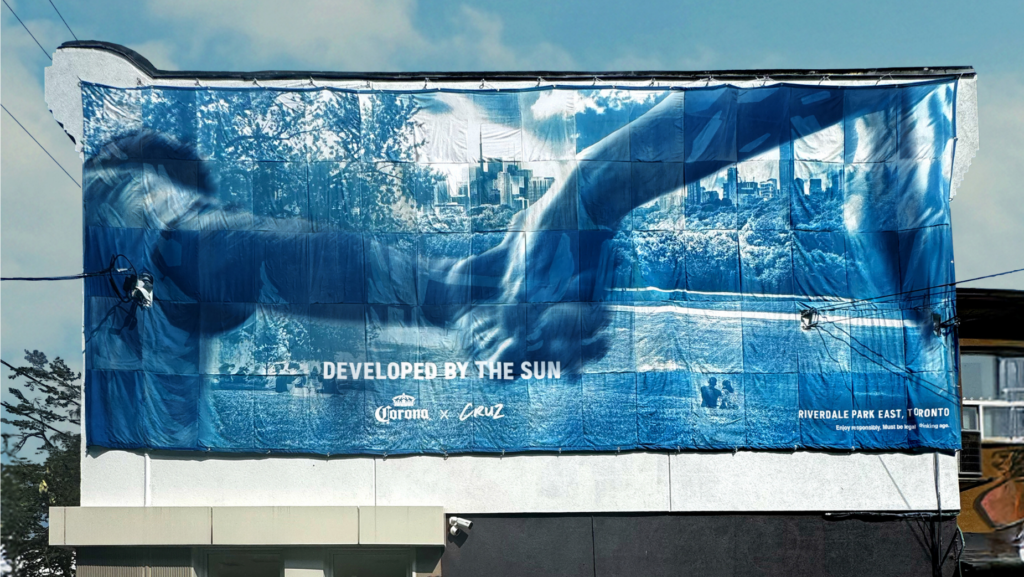
Corona Canada marked the final days of summer with an outdoor campaign developed using sunlight.
Created for the brand’s global Living Is Calling platform, the project used cyanotype, a photographic printing process that relies on ultraviolet light, to capture outdoor life in Toronto.
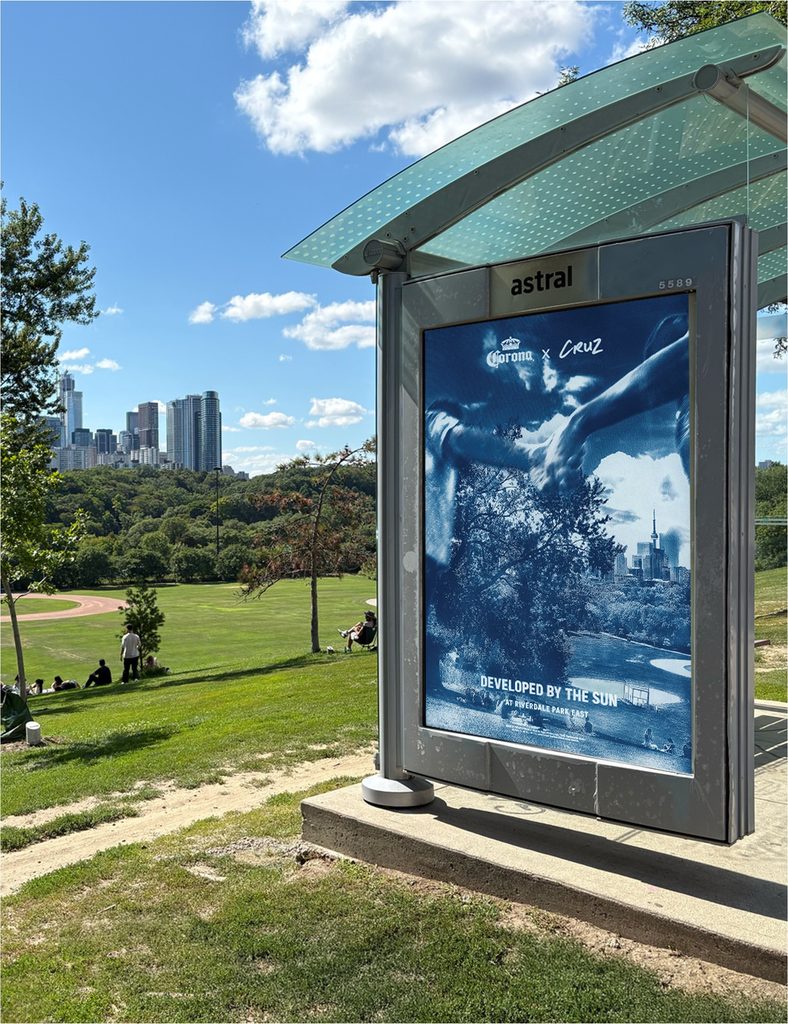
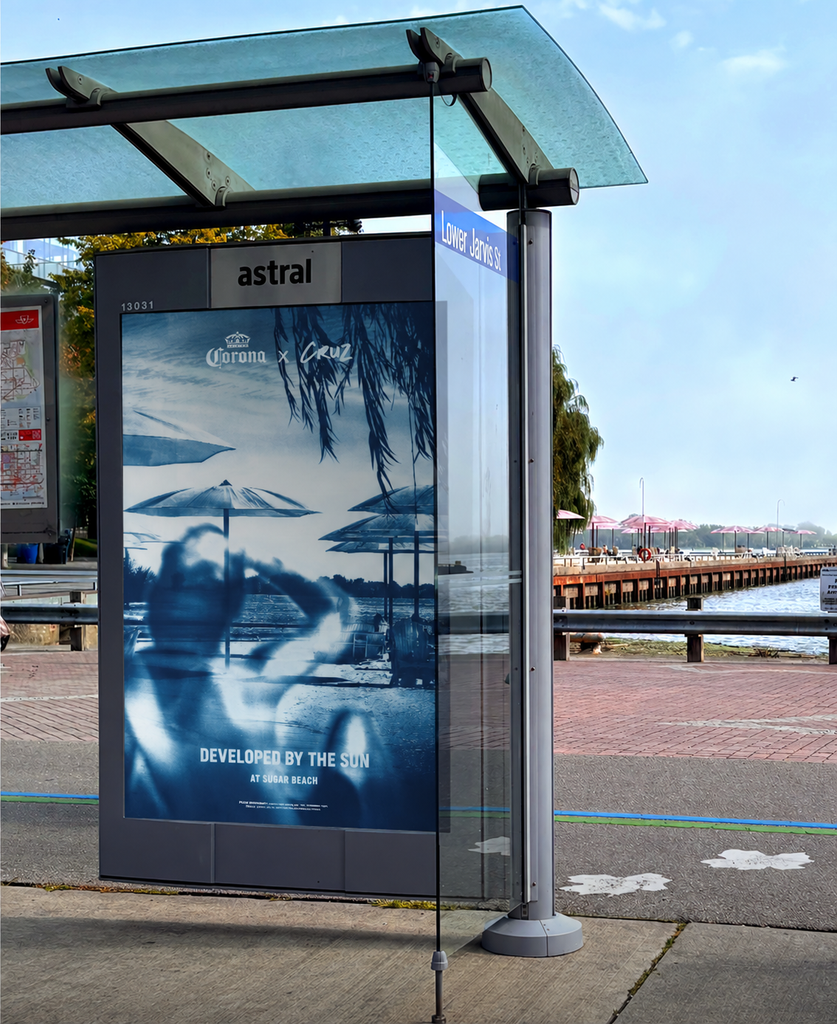
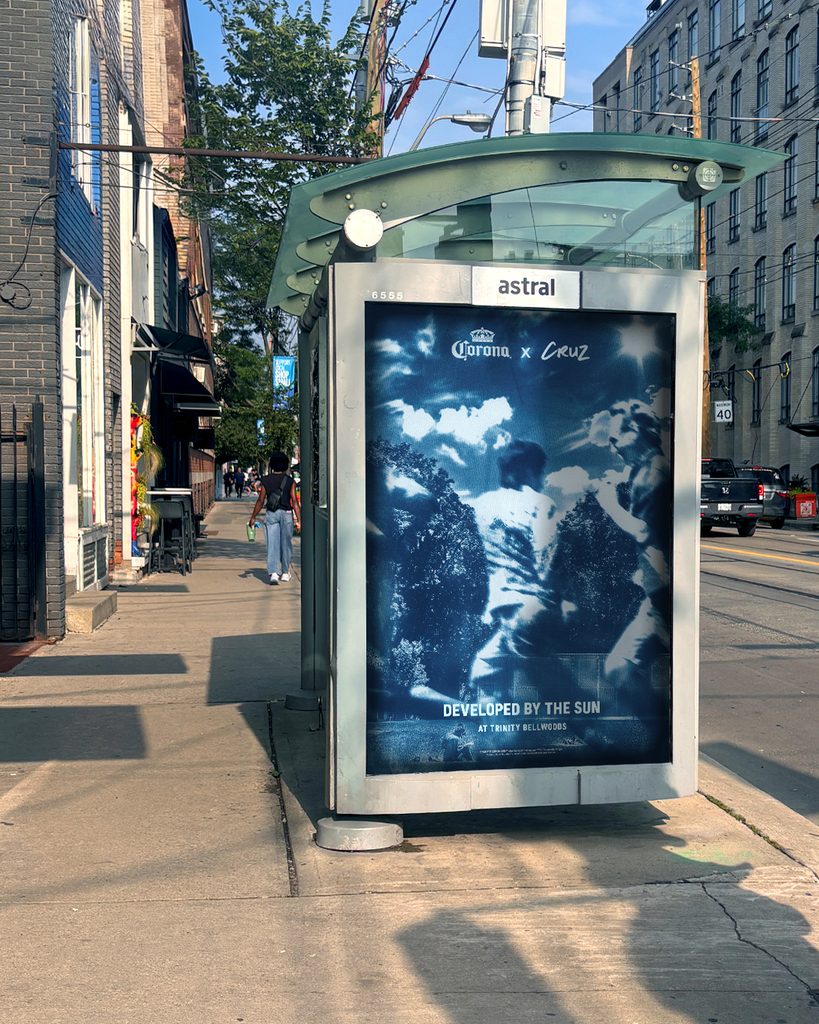
The resulting blue-and-white images appeared in a large hand-stitched mural and on transit shelter advertisements placed near some of the city’s best-known sunny locations.

Sunlight became part of the production process
Corona moved away from conventional printed and digital billboards by using a process first developed during the 19th century.
For cyanotype printing, prepared material is exposed to natural ultraviolet light. The sun develops the image and produces the process’s distinctive blue appearance.
This made the method particularly relevant to Corona. Sunshine was more than something shown in the campaign’s photographs. It was physically involved in creating them.
The approach connected the production process with the brand’s long association with beaches, outdoor gatherings and warm summer weather.
Toronto artist Cruz captured life outside
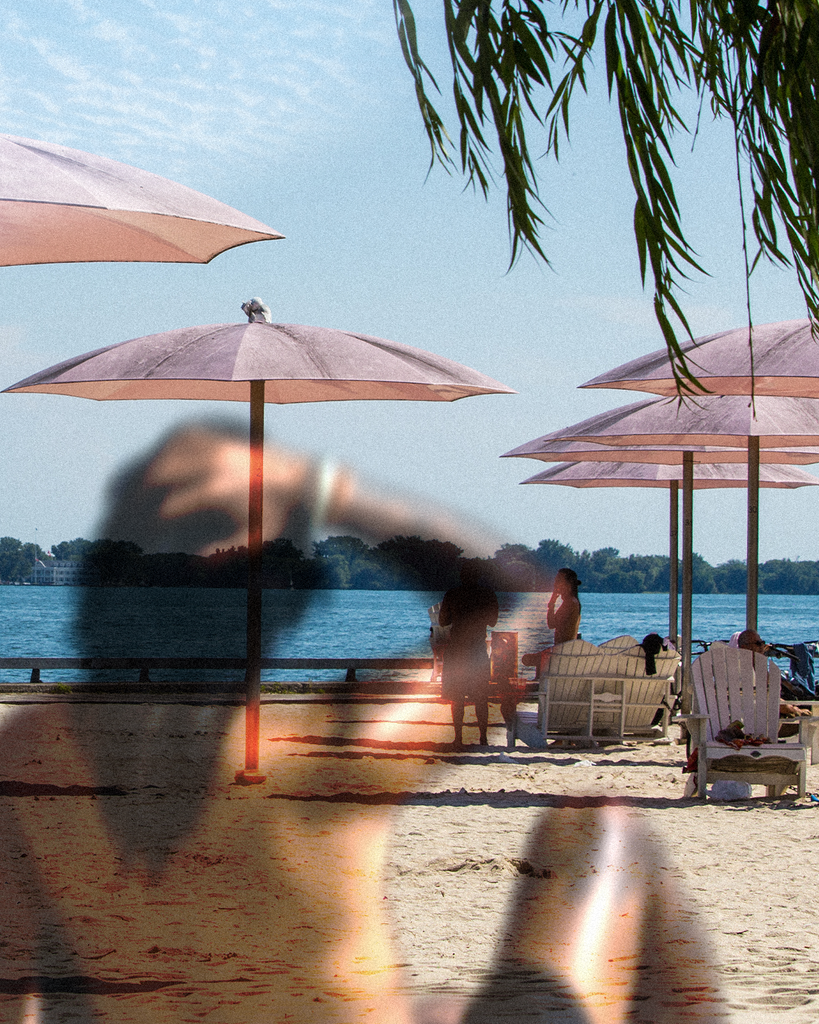
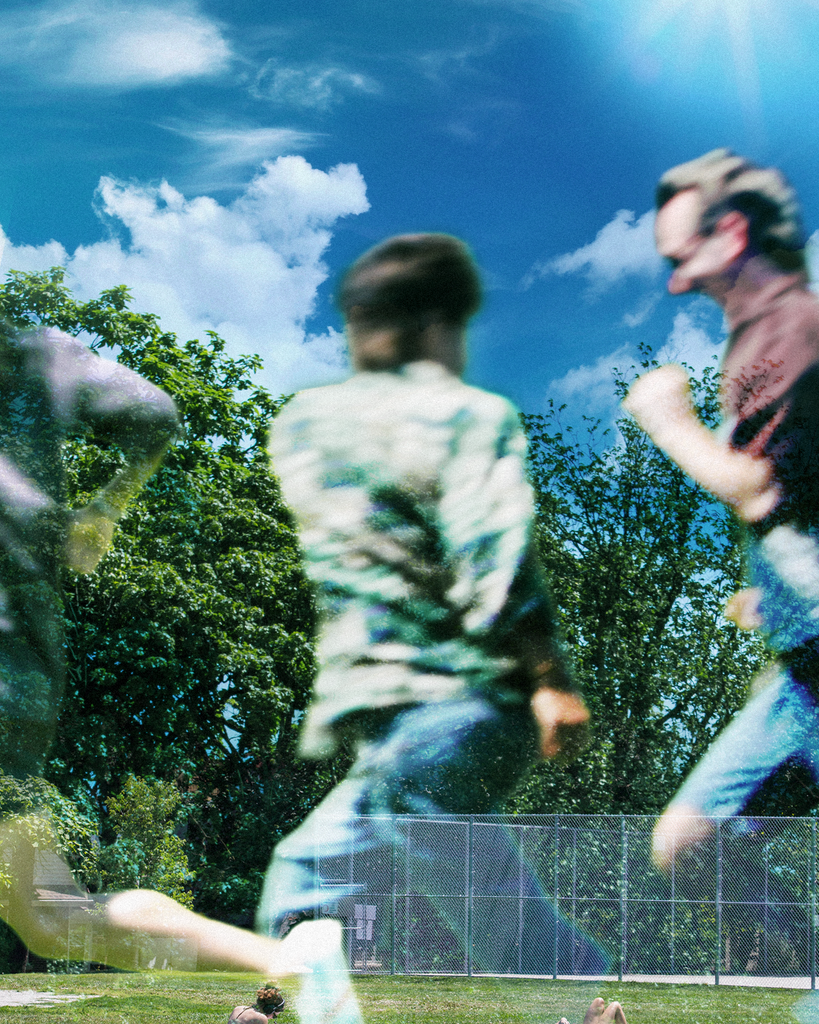
Corona collaborated with Toronto artist Cruz to photograph candid moments in some of the city’s popular outdoor spaces.
The images focused on people enjoying the final warm days of the season. These moments were then transferred onto individual cyanotype canvas prints using the sun’s UV rays.
The project became Cruz’s largest artwork to date. Eighty separate canvas prints were stitched together by hand to form a 30 ft x 15 ft mural at 139 Ossington Avenue.
Its scale allowed the intimate outdoor photographs to become a large piece of public art while the stitching preserved evidence of the process used to assemble it.
Transit shelters returned the photographs to their locations
The campaign continued through transit shelter advertisements positioned near Trinity Bellwoods, Sugar Beach and Riverdale Park.
These placements were chosen because Cruz had photographed the campaign imagery in the same locations. People could therefore see the completed artwork close to the places and outdoor moments that inspired it.
The media placement created a connection between the original scene, the sunlight used to develop it and the neighbourhood where the final advertisement appeared.
Instead of using outdoor media only to reach a large audience, Corona made each location part of the campaign’s story.
Living Is Calling invited people back outside
The project introduced Corona’s Living Is Calling platform in Canada by encouraging people to spend the remaining days of summer outdoors.
Its message was carried through the way the work was made. Natural sunlight developed the prints, local parks supplied the scenes and Toronto’s streets became the exhibition space.
The campaign also gave its outdoor placements the character of handmade artwork. Every exposed canvas and visible seam helped separate the installation from the smooth surfaces normally associated with commercial advertising.
By allowing the sun to become both subject and creative tool, Corona produced an outdoor campaign that could only exist through time spent outside.
Credits
Living Is Calling, 2026. Corona Canada, Toronto. Campaign developed with Citizen Relations Canada in collaboration with Toronto artist Cruz. The outdoor activation included a 30 ft x 15 ft cyanotype mural at 139 Ossington Avenue, assembled from 80 hand-stitched canvas prints, along with transit shelter advertisements near Trinity Bellwoods, Sugar Beach and Riverdale Park.
About the work
Campaign details
- Brand
- Corona
- Agency
- Citizen Relations
- Country
- Canada
- Year
- 2026
Related
More in Outdoor



Popular
Popular posts




More stories