Case Studies
InkVisible: UN Women turned bridal henna into a domestic violence warning
 By Archit
·
·
5 min read
By Archit
·
·
5 min read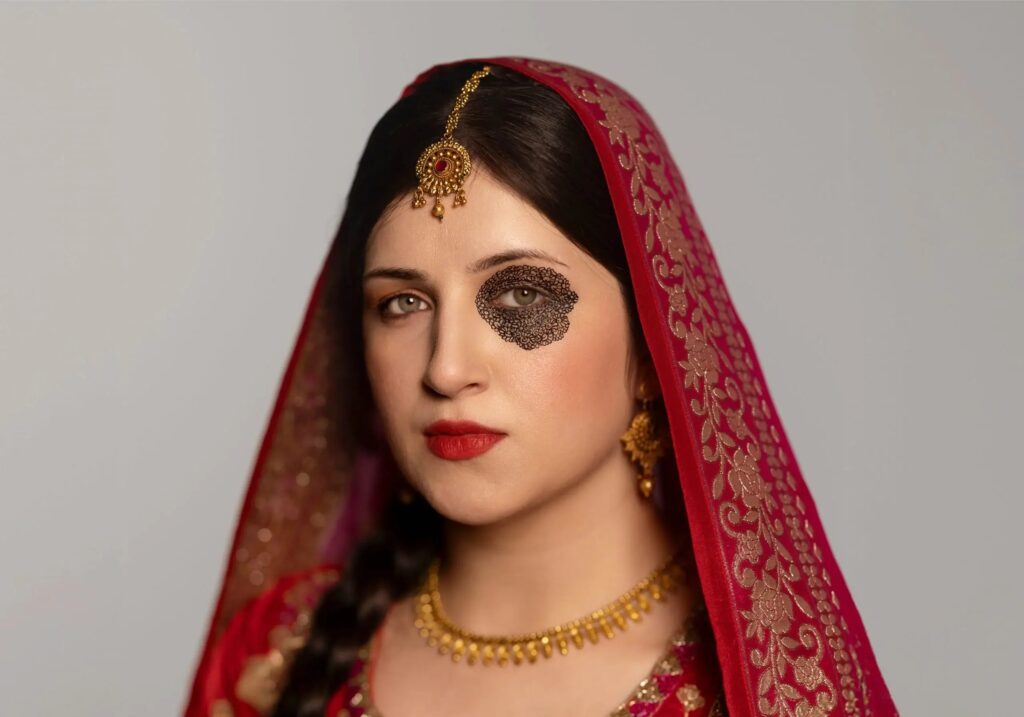
InkVisible turned bridal henna into a warning about domestic violence in Pakistan. The same patterns associated with marriage and celebration were used to represent injuries that women are often forced to hide.
UN Women launched the campaign with Impact BBDO in November 2024, ahead of the International Day for the Elimination of Violence Against Women. However, the work did more than create a series of striking films and posters. It also placed helpline information inside henna salons, trained artists to speak with brides and reached members of Pakistan’s parliament.
The Statistic Behind InkVisible
The campaign started with data from the 2017 to 2018 Pakistan Demographic and Health Survey. It found that 34 percent of ever-married women aged 15 to 49 had experienced physical, sexual or emotional violence from a spouse.
Furthermore, 56 percent of women who had experienced physical or sexual violence had never sought help or told anyone. The figures are also reported by the United Nations Population Fund in Pakistan.
That silence shaped the campaign.
Fear of further violence can prevent women from reporting abuse. Financial dependence and social stigma create more barriers. In addition, some women may not know what legal help or support services are available to them.
UN Women and Impact BBDO focused on brides and married women. The team then looked for a form of communication that already belonged inside weddings, salons and family homes. Henna provided that entry point.
Henna Carried a Different Message
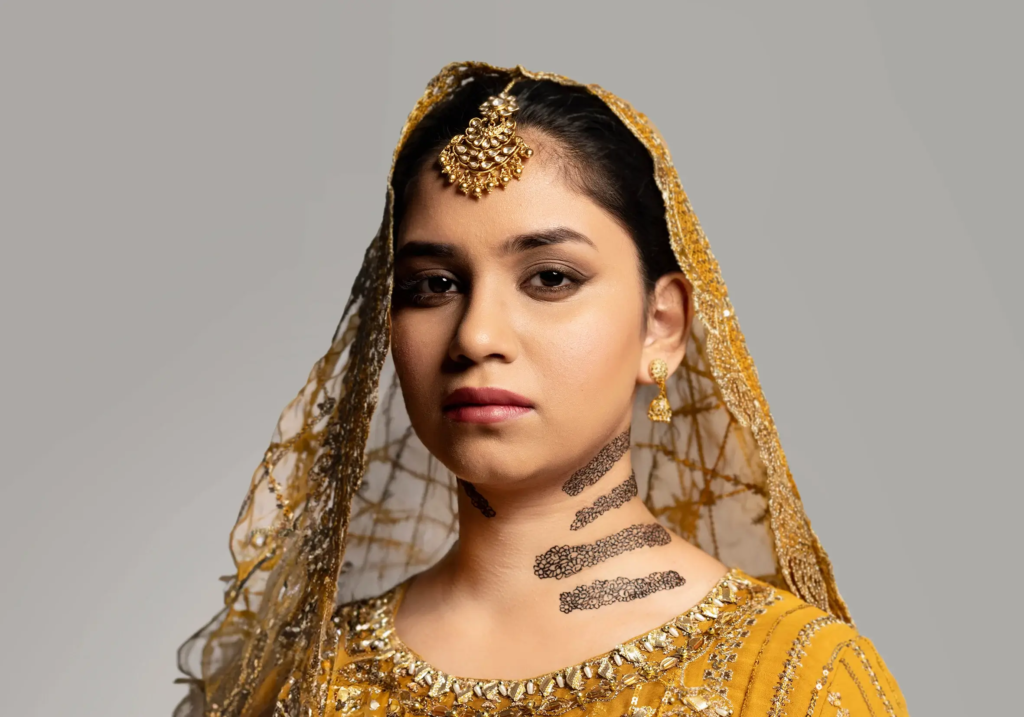
InkVisible used henna to represent a black eye, marks around the neck and injuries on the lips and forehead. The campaign name joined the words “ink” and “invisible,” reflecting its aim of making hidden abuse visible.
Three short films were created around the idea. Each used one long camera movement to delay the full meaning of the henna until the final reveal. Meanwhile, the still images placed the same designs against colourful bridal clothing.
The subject required restraint. Therefore, the films avoided dialogue and allowed the change in meaning to carry the message. Music by Zohaib Kazi moved from a wedding atmosphere into a darker tone as the full image became clear.
The work appeared across social media, television and events. Posters were also placed in locations visited by large numbers of women across major Pakistani cities and rural areas. Aurora, published by Pakistan’s Dawn Media Group, reported that the campaign continued running nationwide during 2025.
Henna Artists Became Community Advocates
The campaign’s most practical element existed outside the films.
Impact BBDO and UN Women worked with henna artists who regularly meet brides during wedding preparations. The artists were trained to explain women’s rights and share information about seeking help. In addition, henna cones were printed with provincial domestic violence helpline numbers.
This gave women access to information through a familiar person in a private setting. A conversation with a henna artist could take place inside a salon or home, away from the public attention created by a billboard or television film.
The artists were asked to approach the subject with care, as a concerned friend or family member might. They could explain that support included access to shelters, counselling and other services available through the helpline network.
As a result, henna became both the campaign image and the tool used to deliver help.
What Came After
BBDO reports that InkVisible produced a 24 percent rise in awareness of the helpline and a 19 percent increase in calls. The increase in calls began within weeks of the campaign’s launch. These figures come from the agency’s case material and have not been independently published with the underlying call data.
Meanwhile, female parliamentarians carried the campaign into government sessions. Some wore InkVisible henna designs while calling for stronger protection against domestic violence. Their participation gave the work a place inside Pakistan’s legislative debate.
Campaign materials credit InkVisible with contributing to the progress of new domestic violence legislation. The official record needs a more precise description. Pakistan’s Domestic Violence (Prevention and Protection) Bill was introduced in the National Assembly in February 2025. It later passed through parliament and became the Domestic Violence (Prevention and Protection) Act, 2026. Pakistan’s official legal database records the final law as a 2026 Act.
One campaign cannot take sole credit for legislation shaped by years of work from lawmakers and women’s rights organisations. Still, InkVisible gave those advocates an image they could carry into parliament. It connected awareness, access to help and political pressure through the same cultural symbol.
At the 2026 Effie Pakistan Awards, InkVisible won Silver in Non-Profit and Bronze awards in Positive Change and Small Budget. It was also shortlisted for the Glass Award for Change at Spikes Asia.
Credits
InkVisible (2024 to 2026). UN Women Pakistan. Agency: Impact BBDO Dubai, with BBDO Pakistan. Chief Creative Officer: Ali Rez. Executive Creative Director: Nasir Qureshi. Creative Director: Rana Sadek. Writer: Maya Sfair. Art Director: Minhaj Rafi. Brand Marketing Manager: Saman Ahsan. Production: Déjà Vu Films. Director: Neelay Shah. Music Composer: Zohaib Kazi. Editor: Sanil Chandran. Producers: Manasvi Gosalia, Maarouf Bekdash, Kavya Iyer and Rafic Sawaya. Digital and social assets: UN Women’s in-house design team. Awards: Silver and two Bronze awards at Effie Pakistan 2026. Spikes Asia 2026 Glass Award shortlist.
Related
More in Case Studies



Popular
Popular posts
More stories