Case Studies
IKEA Hidden Tags turned old furniture labels into proof of durability
 By Archit
·
·
5 min read
By Archit
·
·
5 min read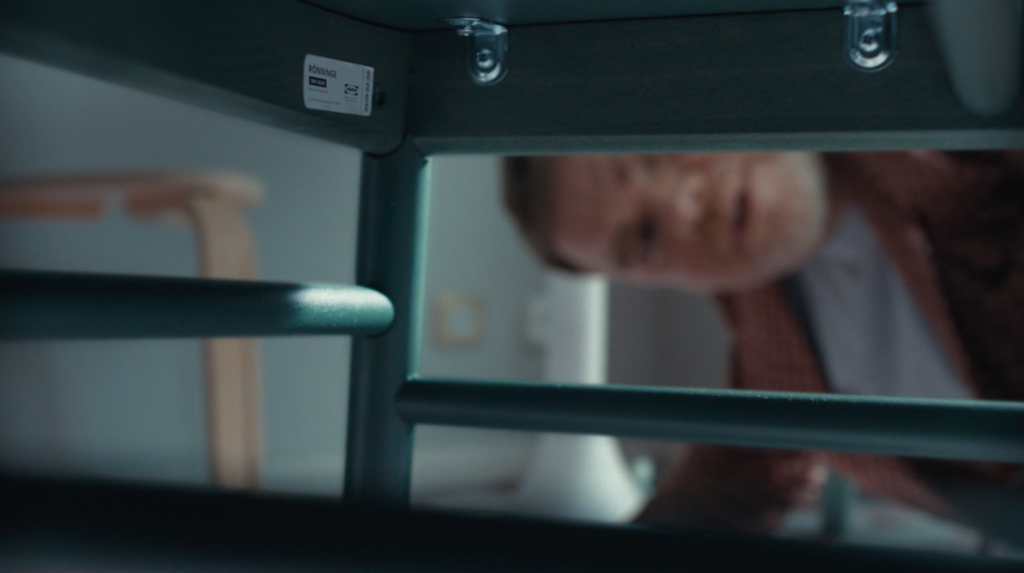
In May 2024, IKEA asked people across Portugal to look underneath their furniture. Small manufacturing labels revealed when each product had been made, allowing owners to calculate its age. Uzina created IKEA Hidden Tags to find the oldest IKEA item in the country and challenge the belief that affordable furniture does not last.
The proof was already inside people’s homes.
A forgotten label became the starting point
IKEA opened its first Portuguese store in 2004.
Twenty years later, the brand wanted to celebrate its place in homes across the country. However, the anniversary also presented a chance to address a common concern around low-priced furniture.
Some customers connected affordability with a shorter useful life.
IKEA could have responded with factory tests or product specifications. Instead, Uzina searched for evidence among the furniture people had already owned for years.
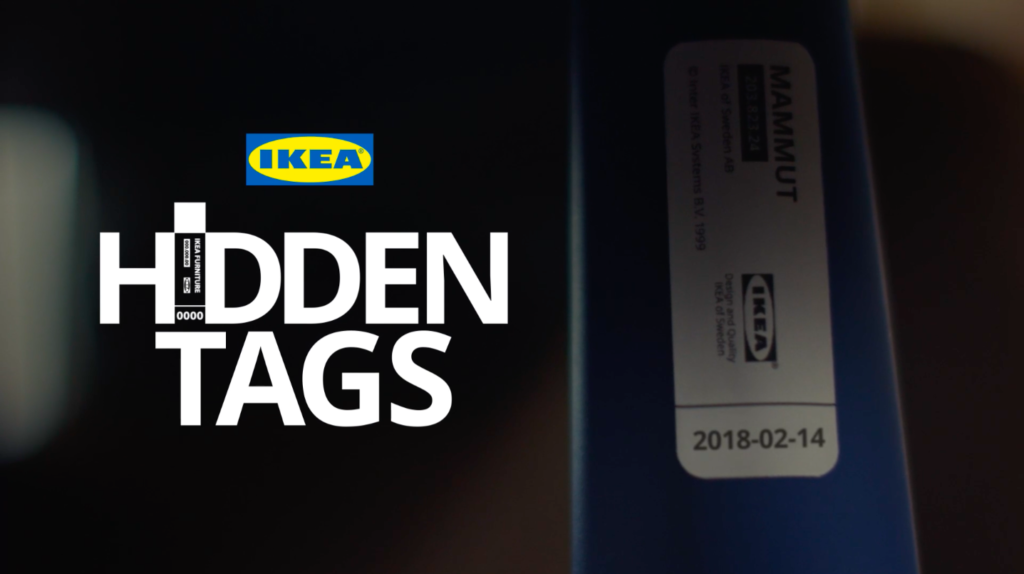
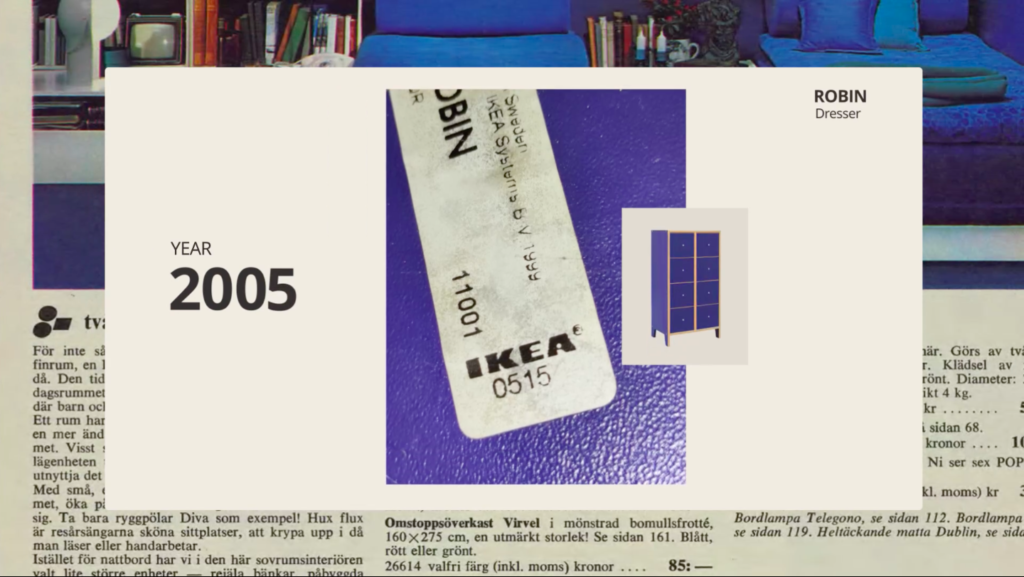
Many IKEA products carry a small manufacturing label. It can include the product name, place of origin, identification details and production date.
After assembly, that label often disappears beneath a table, behind a cabinet or inside another part of the furniture.
Hidden Tags turned it into a birth certificate.
By finding the date, owners could discover that a familiar piece had been with them far longer than they remembered.
Portugal joined the search
The campaign invited IKEA Family members to photograph the hidden label on an item in their home.
Participants uploaded the image through IKEA Portugal’s website. They also shared their contact details and a short story about the furniture.
The oldest verified submission would receive a €2,000 IKEA gift card.
Television films, outdoor posters, social content and digital media explained the hunt. Meanwhile, influencer content showed people where labels might be located and how to read them.
That guidance was important because the central media object was deliberately difficult to see.
The tag had never been designed as advertising. It existed to carry product information and remain out of view after assembly.
The campaign changed its purpose without changing the label itself.
Every table, shelf or cabinet already carrying one became a possible entry into the competition.
A 1969 table won the search
IKEA received 4,573 labels and furniture stories from members of its loyalty programme.
The oldest item was an ÖVERSTE table from 1969. Designed by Erik Wörtz, it had been purchased in Denmark before travelling through several countries and eventually reaching a home in Lisbon.
It was 55 years old when the campaign found it.
The submissions also allowed IKEA to calculate the average age of the items entered. Across the collected labels, that figure was 18.5 years.
The number was not a scientific estimate for every IKEA item in Portugal. Participation was voluntary, and people with older furniture may have been more likely to enter.
Still, the labels provided real examples of products remaining in use for long periods.
Furthermore, the written submissions added a human layer to the dates. People described furniture that had survived house moves, changing relationships, growing families and different uses around the home.
Durability was no longer only about how long a table remained standing.
It was about how much life had happened around it.
The data became another campaign
IKEA shared the findings through its digital channels after the search ended.
The collected stories also influenced a wider Portuguese brand platform built around the thought that life happens at home.
Real comments described furniture lasting longer than marriages, travelling through several houses or moving between rooms as people’s needs changed.
As a result, Hidden Tags produced more than one winning object.
It gave IKEA a collection of customer experiences that could support later advertising. The company did not need to invent fictional families or imagined memories. Its customers had already supplied the stories.
Campaign reporting also credited the work with a 14 percent sales increase compared with the previous-year period. IKEA Family membership grew by 95,500 people, representing a reported 42 percent increase in new members. In addition, 31 percent of sales during the measured period came from newly joined members.
These figures came from the campaign’s award submissions and were not independently audited. However, they showed how the competition connected participation with IKEA’s loyalty programme and commercial activity.
The work later received a Graphite Pencil, two Gold Lions, one Silver Lion and one Bronze Lion. It also earned a Bronze Pencil and Merit recognition at The One Show.
Why It Still Works
IKEA Hidden Tags found product evidence in a place advertising rarely examines.
The label was small, functional and hidden. However, it held the one detail needed to support the durability message.
More importantly, customers discovered that evidence themselves.
IKEA did not simply show an old piece of furniture and ask people to believe its age. Owners searched their homes, photographed the dates and contributed the information used in the campaign.
The idea also fitted the anniversary.
IKEA had spent 20 years in Portugal, but some of the furniture inside Portuguese homes had been part of people’s lives for much longer.
The brand went looking for its oldest product.
It found thousands of long relationships.
Credits
IKEA Hidden Tags (2024) — IKEA, Portugal. Agency: Uzina. Executive Creative Director: Susana Albuquerque. Creative Director: Andreia Ribeiro. Senior Art Director: Pedro Barroso. Senior Copywriter: Fernando Silva. Strategy Director: Rita Martins. Data Scientist: Daniel Pinto. Designer: Raquel Martins. Motion Designer: Joana Esteves. Production: Playground. Director: Martim Condeixa. Sound: Mute Sound Design. Post-production: Nuno Correia Photography. Awards: D&AD Graphite Pencil, two Cannes Lions Gold, one Silver and one Bronze, The One Show Bronze Pencil and Merit.
Related
More in Case Studies



Popular
Popular posts



More stories