Case Studies
Turn Your Back: Dove turned a TikTok beauty filter into a global protest
 By Archit
·
·
9 min read
By Archit
·
·
9 min read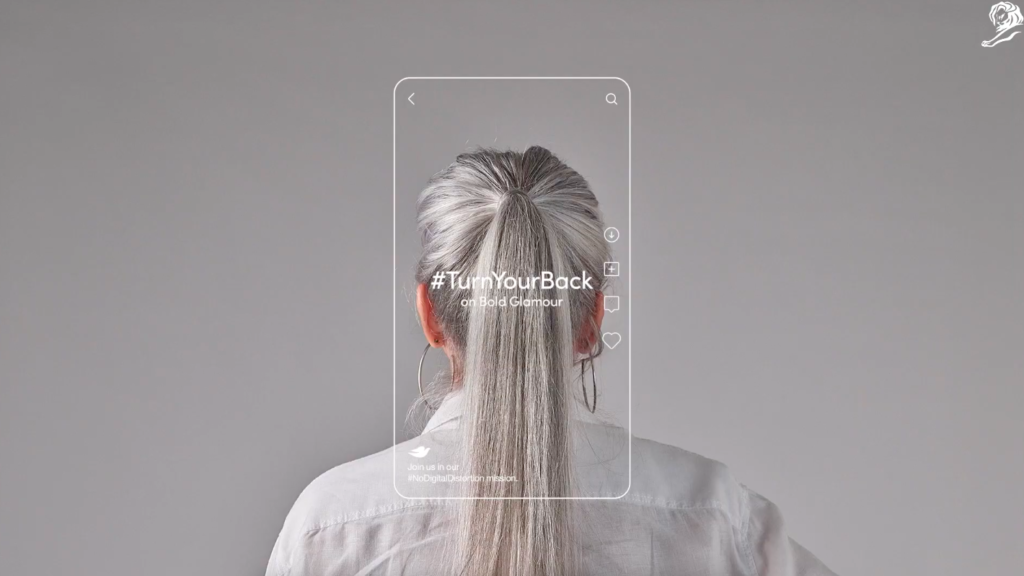
Millions of TikTok users were facing the Bold Glamour filter.
Dove asked them to turn around.
For “#TurnYourBack,” the beauty brand encouraged creators and everyday users to apply the viral filter, show how it altered their appearance and then physically turn their backs to the camera.
The action rejected the narrow beauty ideal promoted by the effect while preventing the filter from continuing to display its digitally altered face.
Dove responded to a social-media trend using the same creators, platform and participation mechanics that had helped it spread.
Bold Glamour Had Been Used More Than 15 Million Times
TikTok’s Bold Glamour filter altered a person’s facial features to produce a polished and conventionally glamorous appearance.
Unlike obviously playful effects, its transformations looked realistic enough to make the boundary between filtered and unedited faces difficult to recognise.
By March 2023, the effect had been used more than 15 million times.
Dove believed its popularity risked reinforcing narrow and unattainable beauty standards, particularly among young users who could access increasingly sophisticated appearance-altering tools through their phones.
Research commissioned by the Dove Self-Esteem Project found that 80% of girls had applied a filter or used a retouching app to change their appearance in a photograph by the age of 13.
It also found that 48% of girls who regularly distorted their photographs had lower body esteem, compared with 28% of girls who did not.
Dove had already committed to using no digital distortion in its advertising and marketing.
Bold Glamour gave the brand a cultural moment in which to demonstrate that commitment.
The Campaign Was Created in Three Days
Bold Glamour was spreading too quickly for a conventional advertising timetable.
The filter became a discussion point while Ogilvy was holding a global creative meeting. The agency responded by sharing a borderless brief with creative teams across its international network.
More than 250 slides of ideas were produced in less than 24 hours.
The team eventually selected “#TurnYourBack,” created by DAVID Madrid and Ogilvy UK with production support from DAVID São Paulo.
The campaign moved from its initial brief to launch in three days.
That speed was central to the idea.
Dove was not commenting on an established social-media issue several months later. It entered the conversation while people were still downloading, testing and discussing the filter.
The response felt connected to the moment because it was created inside the moment.
Turning Around Became the Protest
The campaign’s central action was deliberately simple.
Participants applied Bold Glamour, faced the camera and then turned around so the filter could no longer display its version of their faces.
They shared the videos using #TurnYourBack, #BoldGlamour and #NoDigitalDistortion.
The movement did not require users to explain the technology or produce carefully scripted content.
Turning away was enough to communicate rejection.
The action was also as easy to copy as the dances, reaction formats and visual challenges already familiar on TikTok.
Each participant could add a personal explanation while keeping the campaign’s central gesture unchanged.
The filter supplied the transformation.
The user supplied the refusal.
Influencers Were Used to Reverse an Influencer-Led Trend
Beauty creators and influencers had helped introduce Bold Glamour to large audiences.
Dove therefore placed those same groups at the centre of its response.
The campaign activated 68 influencer partners who demonstrated the gesture and encouraged their followers to participate.
Instead of inserting a conventional advertisement between TikTok videos, Dove created content that behaved like the surrounding platform.
Creators could apply the filter, explain how the altered image made them feel and then turn their backs to it.
The structure gave each participant space to share a personal experience while retaining a recognisable campaign format.
It also changed the expected role of the beauty influencer.
The creators were not demonstrating how attractive the filter could make someone appear. They were using their influence to question why people should feel pressure to alter their faces at all.
Gabrielle Union Took the Gesture to Oscars Night
The campaign expanded beyond social-media creators when actor Gabrielle Union joined the movement.
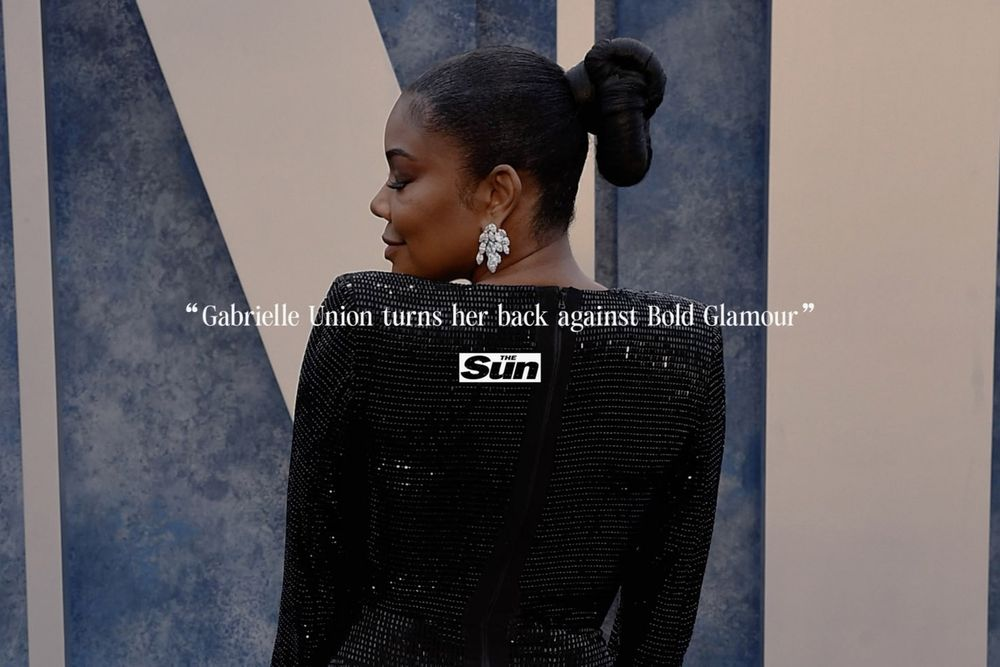
On March 12, 2023, Union used the Bold Glamour filter, discussed the appearance pressure created by digital distortion and turned her back during the Vanity Fair Oscars party.
The setting created a deliberate contrast.
Awards-season red carpets are closely associated with celebrity, fashion and carefully controlled ideas of glamour. Union used one of Hollywood’s most glamorous evenings to reject a filter promising users its own version of perfection.
Her involvement gave the movement visibility beyond TikTok and helped it enter entertainment, beauty and lifestyle coverage.
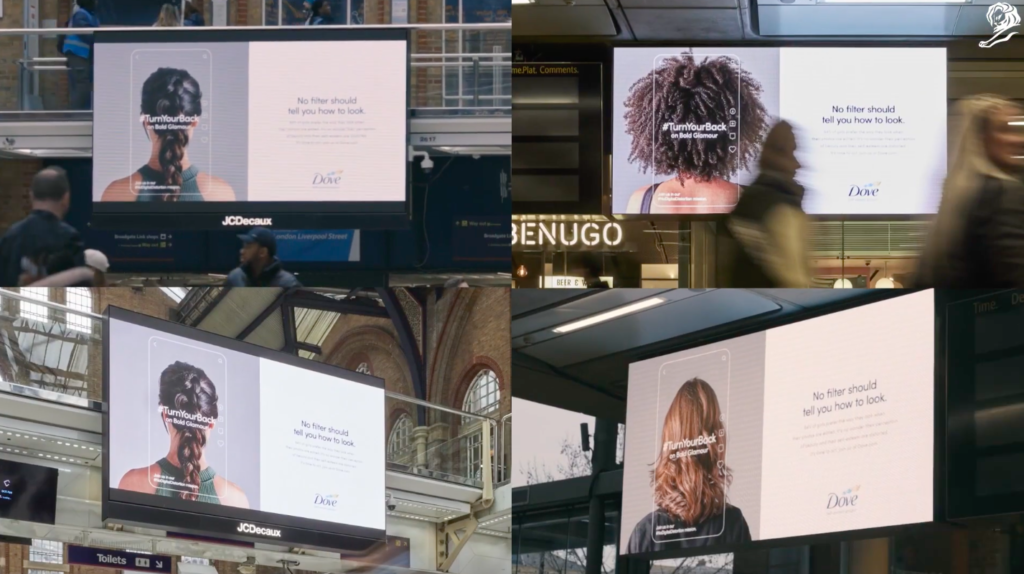
The campaign was also extended through digital content and outdoor advertising, allowing the physical act of turning away to appear outside social-media feeds.
The Campaign Generated 54 Million Video Views
Posts using #TurnYourBack generated 54 million video views and more than 567,000 engagements.
The campaign recorded 94% positive sentiment in key markets and received 174 pieces of editorial coverage.
Its success did not depend entirely on passive viewing.
People could understand the action, reproduce it and contribute their own experiences to the campaign.
The idea also influenced conversations within the creator industry.
Talent management company Gleam publicly supported the movement and updated its guidance surrounding filters and image editing.
The campaign therefore moved beyond asking individual users to reconsider a filter. It encouraged companies working with creators to examine their own responsibilities around altered imagery.
Dove Used TikTok’s Behaviour Against the Filter
#TurnYourBack worked because it did not ask users to leave TikTok before taking action.
It used the platform’s existing language.
The filter provided the visual effect. Creators supplied the initial reach. The hashtag connected the responses, and the repeatable movement allowed other users to join.
However, each familiar TikTok mechanic was redirected against the trend.
Applying Bold Glamour demonstrated the issue.
Turning away became the protest.
Posting the video allowed the rejection to travel through the same platform that had helped the filter become popular.
Dove did not create another effect to compete with Bold Glamour.
It created a behaviour that made refusing the effect visible.
The Campaign Continued Dove’s No Digital Distortion Commitment
#TurnYourBack was not Dove’s first campaign addressing digitally altered beauty.
The brand’s earlier work included “Evolution,” “Reverse Selfie” and “Detox Your Feed,” alongside its wider Campaign for Real Beauty and the Dove Self-Esteem Project.
That history gave Dove a credible reason to enter the Bold Glamour conversation.
The brand was not rejecting every creative or entertaining use of filters. Its criticism focused on effects that present digitally constructed features as a realistic beauty standard people should attempt to meet.
Dove connected the campaign with free educational resources designed to help parents, caregivers and young people discuss appearance pressure and develop healthier relationships with social media.
At the time of the campaign, the Dove Self-Esteem Project had reached approximately 94.5 million young people across 150 countries.
Its stated objective was to provide self-esteem education to 250 million young people by 2030.
The wider programme ensured the campaign did not end with a hashtag.
It gave families practical resources for continuing the conversation away from TikTok.
Turn Your Back Won the Cannes Lions Media Grand Prix
In 2023, #TurnYourBack won the Media Grand Prix at Cannes Lions in Corporate Purpose and Social Responsibility.
It also received a Gold Media Lion in Consumer Goods and a Bronze Lion.
The recognition reflected the relationship between the campaign’s message and its use of media.
Dove did not simply run an advertisement warning people about digital distortion. It created a participatory response inside the environment where the issue was developing.
One year later, the campaign returned to Cannes Lions and won Gold in Creative Effectiveness for Real-Time Response.
The second award demonstrated that the idea had achieved more than short-term attention.
A campaign created in three days produced measurable participation, positive sentiment, international coverage and a wider discussion about beauty filters and creator responsibility.
Why the Campaign Worked
Dove found a physical response to a digital problem.
The action was immediate, visual and easy to repeat. It required no special equipment, complicated instructions or new platform feature.
Most importantly, the behaviour was inseparable from the message.
Turning away did not merely represent rejection.
It stopped the filter from showing the face it had constructed.
Dove also entered the conversation with speed. The campaign launched while Bold Glamour was still attracting attention, allowing the brand to influence the discussion rather than summarise it later.
The use of creators gave the movement reach, but the gesture remained accessible to everyone.
A user did not need millions of followers to participate.
They only needed to turn around.
Millions of people had faced the Bold Glamour filter.
Dove made turning away more powerful than looking at it.
Credits
Campaign: #TurnYourBack
Brand: Dove
Parent company: Unilever
Launch: March 2023
Markets: Global, including the United Kingdom, Spain and United States
Advertising agencies: Ogilvy UK and DAVID Madrid
Production: DAVID São Paulo
Media: Mindshare London
PR: Ogilvy London
Dove:
Chief Marketing Officer: Alessandro Manfredi
Brand Director: Pau Bartoli
Head of Marketing: Lynsey Smith
PR: Sarah Potter
Brand Director: Kathryn Fernandez
Content Director: Jillian Engel
Global Vice President, External Communications: Firdaous El Honsali
DAVID Madrid:
Chief Creative Officer: Pancho Cassis
Chief Operating Officer: Sylvia Panico
PR Director: Sandra Azedo
Chief Creative Officer: Saulo Rocha
Creative Directors: Pedro Sattin and Jose Sancho
Art Director: Daniela Botero
Copywriter: Miguel Ángel Gómez
Ogilvy North America:
Chief Creative Officer: Lisa Bright
Chief Strategy Officer: Lindsey Gonnella
Ogilvy UK:
Executive Creative Director: Daniel Fisher
Creative Directors: Liam Bushby and Alison Stevens
Creative: Ian Brassett and Dave Anderson
Chief Client Officer: Jo Bacon
Managing Partner: Doug Le Patourel
Account Director: Carmen Vicente Soto
Account Manager: Grace Boyle
Project Manager: Jay Perez
Producers: Chloe Jahanshahi and Megan Sturgess
Social: Rahul Titus
Business Director: Andrea Maylor
Awards:
2023 Cannes Lions Media Grand Prix
2023 Cannes Lions Gold Media Lion
2023 Cannes Lions Bronze Lion
2024 Cannes Lions Gold Lion, Creative Effectiveness – Real-Time Response
Related
More in Case Studies



Popular
Popular posts

More stories