Case Studies
Transparency Card: Congresso em Foco put political spending in your wallet
 By Archit
·
·
5 min read
By Archit
·
·
5 min read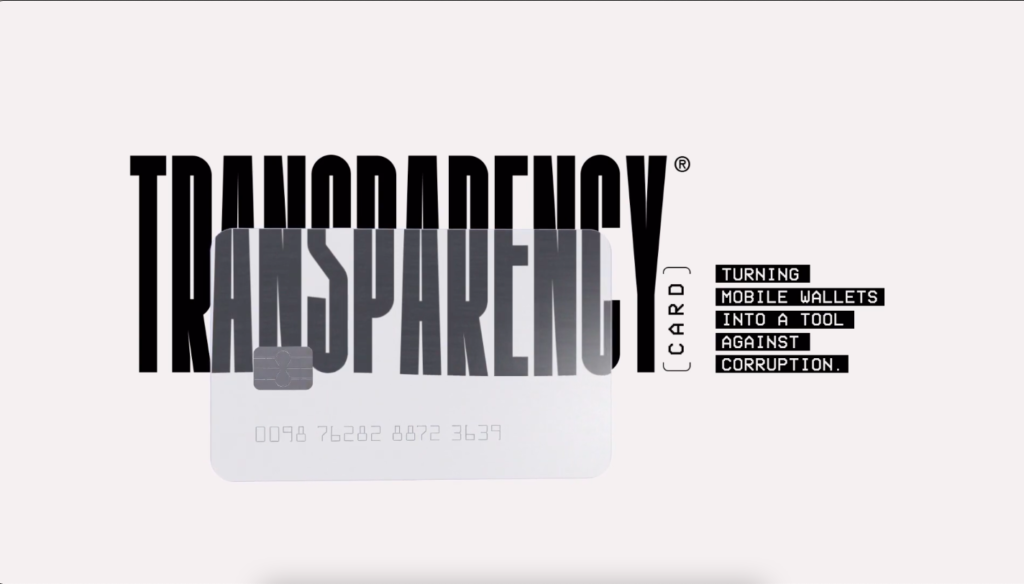
In 2023, Congresso em Foco gave Brazilians a digital card for every politician they wanted to follow. The cards sat inside mobile wallets and sent notifications when public money was spent. AKQA São Paulo created Transparency Card by making government expenses feel as immediate as a personal banking alert.
The project did not create more data. It made existing data much harder to overlook.
The information was public but difficult to follow
Brazilian politicians receive public funds for work expenses such as travel, food and vehicle hire. Information about those transactions was available through government databases.
However, following the money required time and patience. A citizen needed to search through complex records, identify the right politician and return regularly to find new expenses.
That created a gap between access and understanding. The information was technically public, yet it rarely arrived in a form that fitted everyday life.
Congresso em Foco had already built its journalism around covering Brazil’s government and elected officials. The challenge was to turn that reporting mission into a tool ordinary people could use without learning how to navigate a large public database.
AKQA found the answer inside something already familiar to millions of phone users.
Every politician became a digital card
Transparency Card allowed people to select a politician and add their card to a mobile wallet.
The card looked and behaved like the digital version of a payment card. However, it did not belong to the user. It represented the public spending attached to the politician being followed.
When a new transaction appeared in government records, the phone sent a push notification. The message could show the amount and type of expense in the same way a bank might alert a customer after a purchase.
That familiar format made the information easier to understand. A large travel expense no longer sat inside a spreadsheet waiting to be found. It appeared on the lock screen shortly after entering the public record.
Users could then open the card, examine the transaction and ask questions about the expense.
The design created a simple reversal. Politicians were spending public money, but citizens received the alerts.
The service worked without another app
Transparency Card used technology already built into smartphones.
People did not need to download a separate application, create another account or learn a new interface. They could place the cards inside the same mobile wallet used for tickets, payments and loyalty programmes.
That decision reduced the distance between interest and participation. Someone could choose a politician, add the card and begin receiving updates through a system they already understood.
Meanwhile, Congresso em Foco and its parent company promoted the project through social media under the message “Eyes on the expenses.” Outdoor projections in Brazilian cities also directed people towards the service.
The cards became useful beyond individual citizens. Journalists used the notifications to identify expenses that could lead to further reporting.
As a result, one system served two audiences. The public received a clearer view of political spending, while reporters gained another way to notice unusual transactions quickly.
The Impact
The project later reported more than 430,000 active cards inside mobile wallets and over 20 million notifications sent.
Transparency Card also became one of AKQA São Paulo’s most awarded projects. In 2023, it won two Gold, three Silver and one Bronze Lion across mobile, digital craft, direct, creative data and innovation.
The following year, it received two Yellow Pencils and a Wood Pencil. It was also recognised as a World Changing Idea in politics and policy.
The recognition crossed several disciplines because the work was difficult to place inside one traditional category. It used public data, though it was not simply a data visualisation. It lived on phones, though it was not an app. It promoted a news organisation, though its main purpose was public accountability.
The campaign message helped people discover the service. However, the service itself carried the idea long after the advertising disappeared.
The Bigger Point
Transparency Card borrowed the behaviour of private banking to explain public spending.
People were already used to receiving an alert when money left their account. AKQA applied the same expectation to money collected and spent by the government.
That choice made a complicated subject feel personal without simplifying the records themselves. The amount, politician and expense still came from official data. The change was in how that information reached people.
More importantly, the project recognised that transparency requires more than publishing information. People need to see it at the right moment and in a form they can understand.
Congresso em Foco placed political spending beside the other transactions people checked every day.
The money was public. Now the notification was too.
Credits
Transparency Card (2023) — Congresso em Foco, Brazil. Agency and design: AKQA São Paulo. Technology production: Pay 4 Brain. Promotion: Congresso em Foco and UOL. Awards: two Gold, three Silver and one Bronze Lion at Cannes Lions 2023, two Yellow Pencils and one Wood Pencil at D&AD 2024, and World Changing Ideas recognition for politics and policy.
Related
More in Case Studies



Popular
Popular posts




More stories