Case Studies
The Sunburnt Car: mycar covered a vehicle interior in UV-reactive skin
 By Archit
·
·
5 min read
By Archit
·
·
5 min readAI-assisted
Quick summary
This case study details The Sunburnt Car campaign by TBWAEleven Australia for mycar Tyre and Auto, which transformed a vehicle interior with synthetic human skin to highlight invisible UV exposure while driving. Developed with surgeon-scientist Dr Joanneke Maitz and prosthetic specialists Odd Studio, the installation featured hand-applied hair, veins, and photochromatic pigments that reddened in sunlight to demonstrate long-term damage.
The project addressed research showing that most Australians overlook sun protection in vehicles, mistakenly believing car glass fully blocks UV rays. Following its March 2026 launch in Sydney, the travelling exhibit and its distribution of 55,000 UV-sensitive Sun Spot stickers reached 168.8 million people through earned media. The campaign increased mycar's brand consideration by 44 percent and earned a Gold Lion in Outdoor alongside a Silver Lion in Industry Craft at Cannes Lions 2026.
AI-generated from this article. For complete context and credits, read the full story.
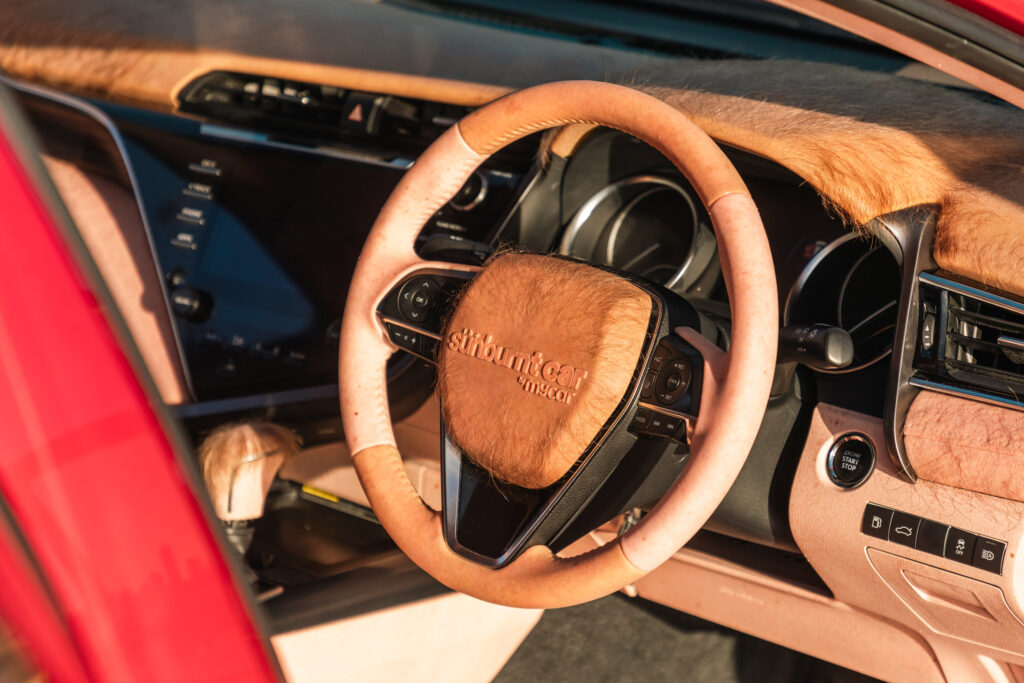
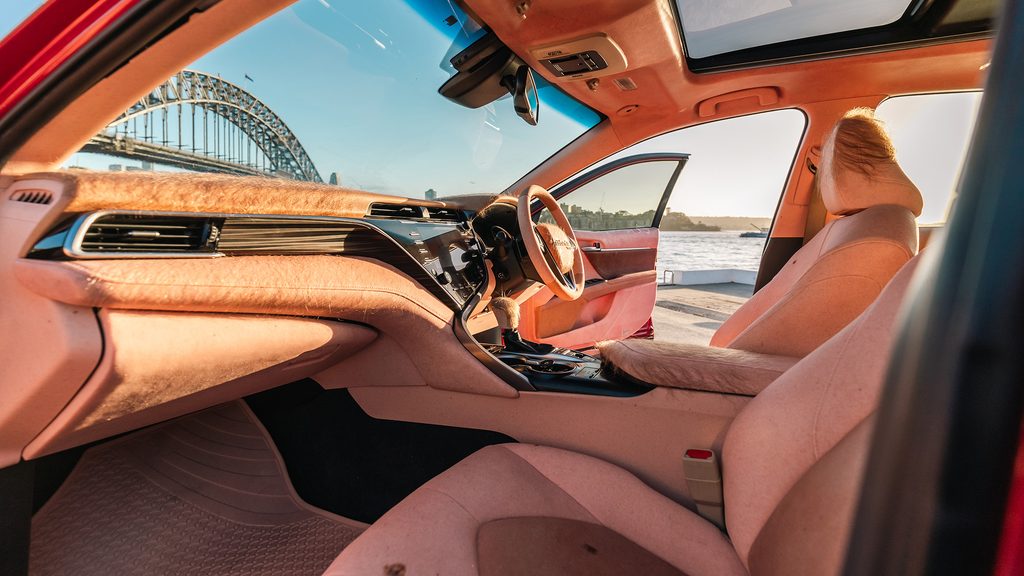
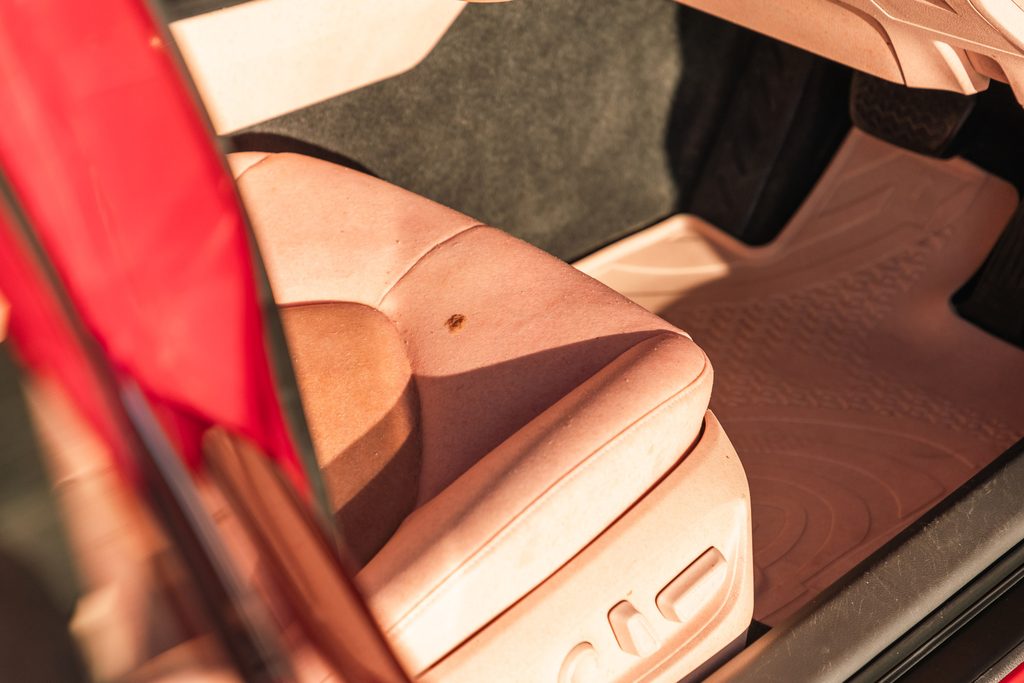
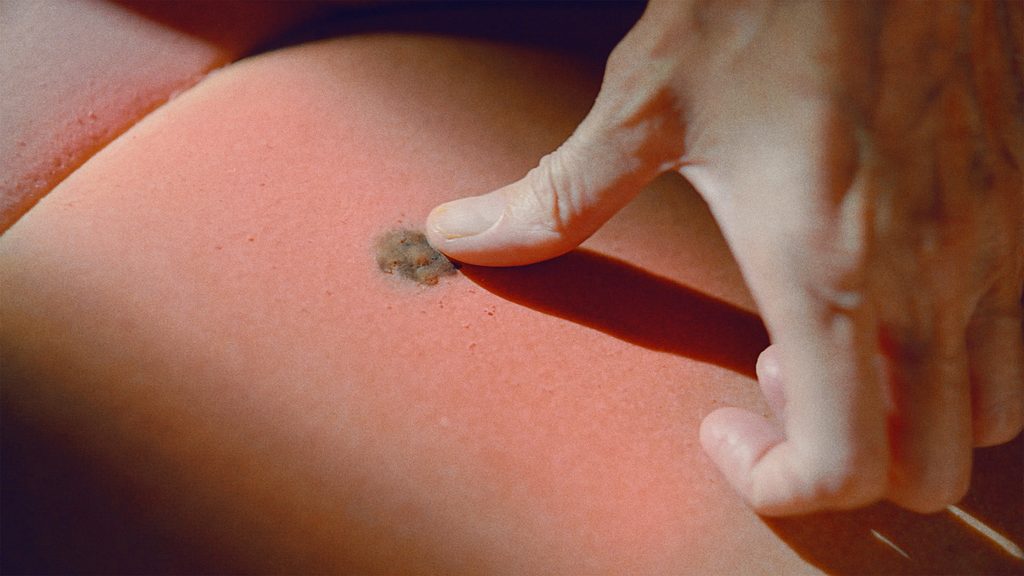
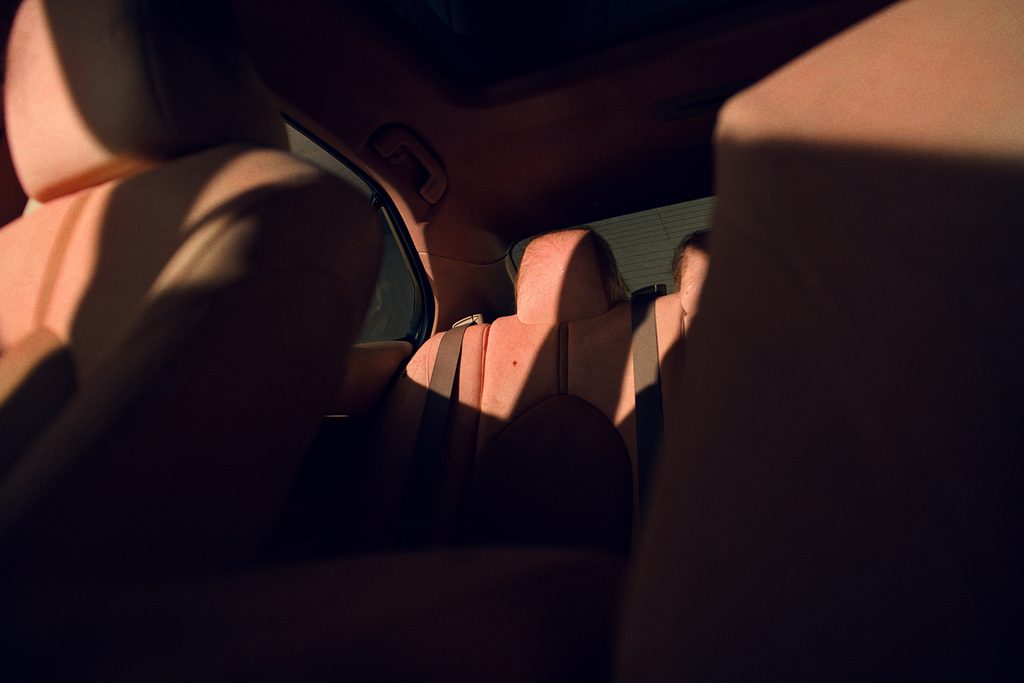
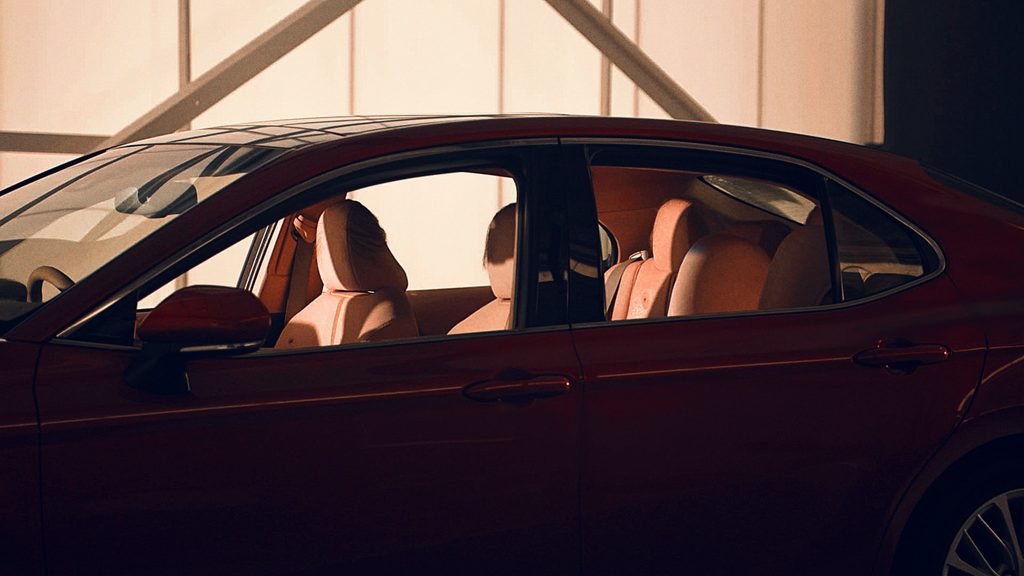
The dashboard has pores, the seats have moles, and the baby seat is covered in thinner, more translucent skin. When sunlight enters the car, its synthetic interior slowly turns red.
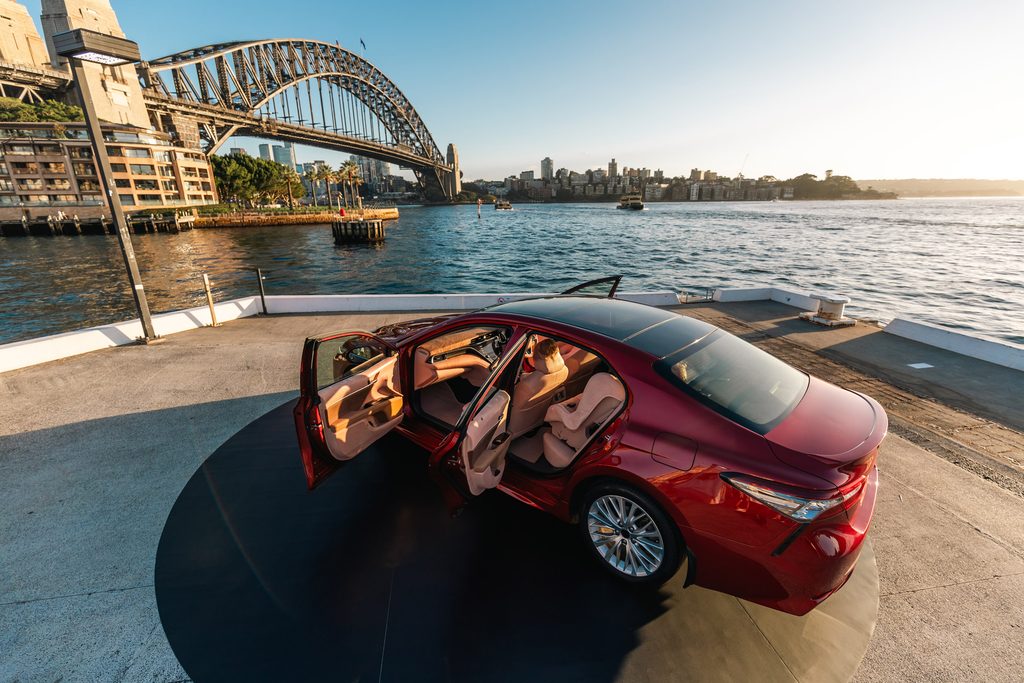
Created by TBWA\Eleven Australia for mycar Tyre & Auto, The Sunburnt Car turned a vehicle into a human body to show how UV exposure can affect people while driving. The installation launched at Sydney Harbour in March 2026 before travelling across Australia.
It later reached 168.8 million people through earned media and won Gold and Silver at Cannes Lions 2026.
The overlooked risk was inside the car
Research commissioned by mycar found that 92 percent of Australians considered themselves sun safe. However, 72 percent overlooked sun protection while driving or travelling in a vehicle.
Furthermore, 70 percent believed that being inside a car protected them from UV exposure. Another 39 percent thought car windows completely blocked harmful rays, while 65 percent did not apply sunscreen before driving.
The reality depends on the glass. Laminated windscreens provide strong protection against UVA and UVB radiation. However, the tempered glass commonly used for side and rear windows can allow considerably more UVA through.
That exposure can build gradually, particularly for people who spend long periods driving in direct sunlight. Open windows and sunroofs also allow the full UV spectrum to reach the skin.
Mycar needed to make that gradual process easy to understand. Therefore, the campaign gave the car an interior that appeared capable of suffering the same damage as its passengers.
How the synthetic skin was made
Odd Studio, a specialist in prosthetics, creature effects and character design, transformed the vehicle’s entire interior. Its team covered the dashboard, seats, steering wheel, headrests and other surfaces with synthetic human skin.
The design was informed by Dr Joanneke Maitz, a surgeon-scientist specialising in burns and reconstructive surgery. The team also used the Fitzpatrick scale to represent a range of skin tones and their different responses to UV exposure.
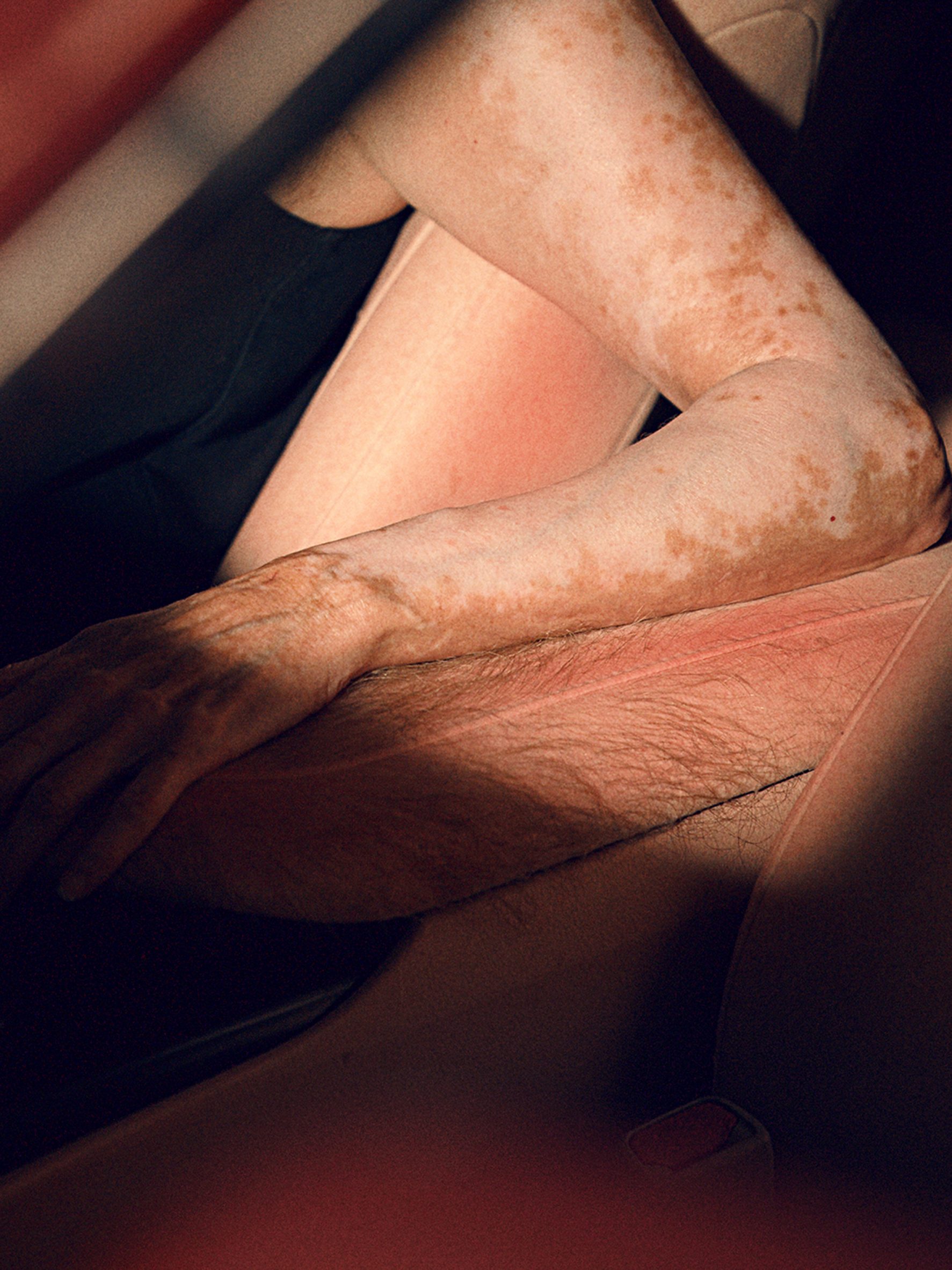
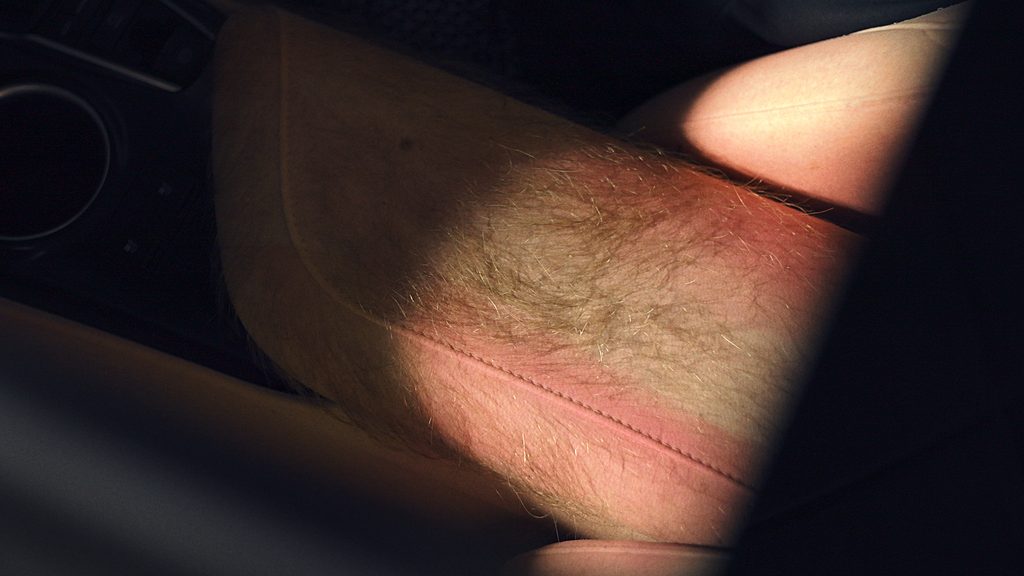
Tens of thousands of individual hairs, freckles and veins were added by hand. Raised moles appeared across the interior, including some designed to resemble potentially cancerous changes. Meanwhile, the child seat was given thinner and more translucent skin to represent the vulnerability of young passengers.
Photochromatic pigments allowed the material to react when exposed to UV radiation. As sunlight entered the car, the surfaces visibly reddened. The effect gave viewers a compressed demonstration of damage that normally develops over years.
The campaign film documented that transformation and explained the research behind it. Anne Gately, the author of Sunburnt and a survivor of stage IV melanoma, also joined the campaign as an ambassador.
The idea continued beyond the installation
The car launched at Circular Quay in Sydney, where members of the public, media and creators could experience it in person. However, the project did not end when the installation left the harbour.
Mycar produced 55,000 free Sun Spot stickers and distributed them through more than 275 locations across Australia and online. The UV-sensitive stickers change colour when they detect ultraviolet radiation.
Drivers can place one inside their vehicle as a reminder that sunlight may still be reaching them. As a result, the campaign turned its unsettling visual idea into something people could use during an everyday journey.
The car also became a travelling educational exhibit. It has appeared at events including the Australasian Skin Cancer Congress and the PGA Championship, taking the message to medical professionals and new public audiences.
That second phase matters because awareness alone cannot reduce exposure. The stickers give people a prompt at the moment when they can consider sunscreen, protective clothing, window coverings or suitable automotive tinting.
The Impact
The Sunburnt Car generated a reported earned media reach of 168.8 million. Among people exposed to the campaign, mycar recorded a 44 percent increase in brand consideration. Furthermore, 85 percent strongly associated the company with providing great customer service after seeing the work.
The campaign also received a Gold Lion in the Single-Market Campaign category at Cannes Lions 2026. Its detailed interior earned a Silver Lion for Art Direction in Industry Craft, while the project was also shortlisted for Innovation in Design.
Those results came from a car servicing company speaking about the people inside vehicles rather than the machines alone. The subject still connected directly with driving, but it gave mycar a role beyond tyres, repairs and maintenance.
The synthetic interior was uncomfortable to look at because skin does not belong on a dashboard. However, that discomfort made the risk difficult to dismiss. The Sunburnt Car gave an invisible form of exposure pores, hairs and a surface that could turn red in the sun.
Credits
The Sunburnt Car (2026), mycar Tyre & Auto, Australia. Agency, TBWA\Eleven Australia and TBWA\Sydney. Chief Customer Officer, Adele Coswello. Head of Marketing, Cynthia Fernandez. Creative Directors, Simon Hayes and Archana Murugaser. Production, Bolt. Director, Daniel Reisinger. Special make-up, creature effects and VFX, Odd Studio. Medical adviser, Dr Joanneke Maitz. Campaign ambassador, Anne Gately. Media, Hearts & Science. Print production, Kwik Kopy. Awards, Gold Lion in Outdoor and Silver Lion in Industry Craft at Cannes Lions 2026.
About the work
Campaign details
- Brand
- mycar Tyre & Auto
- Agency
- TBWAEleven
- Country
- Australia
- Year
- 2026
- Awards
- Gold Lion in Outdoor and Silver Lion in Industry Craft at Cannes Lions 2026
Related
More in Case Studies


Popular
Popular posts

More stories