Editor's Pick
KFC turned pickle obsession into high fashion with Picklecore
 By Archit
·
·
4 min read
By Archit
·
·
4 min read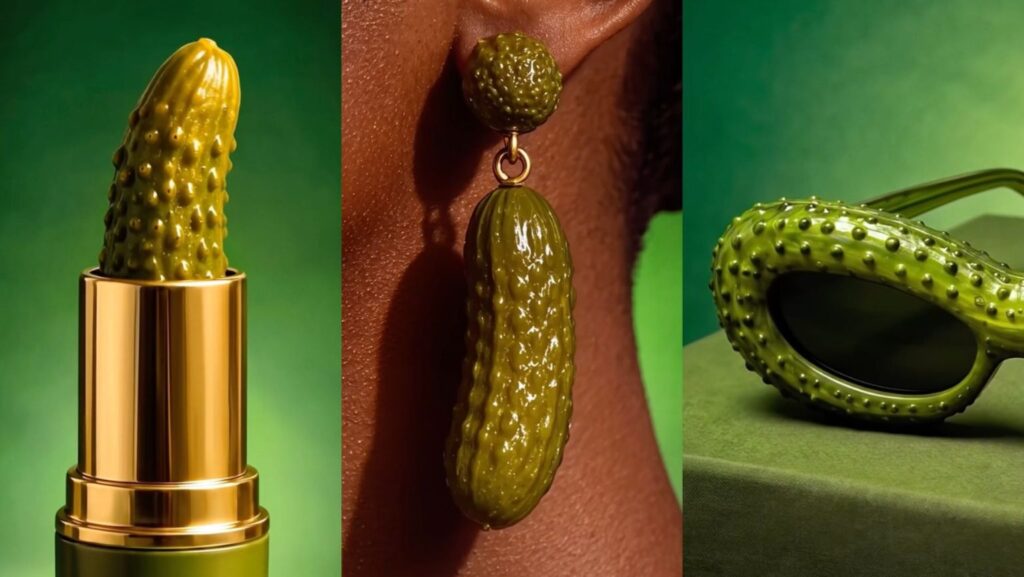
KFC Australia has transformed the internet’s fascination with pickles into Picklecore, a campaign presenting the flavour as an entire lifestyle rather than another limited-time menu.
Created to introduce the KFC x Pickles range, the campaign borrows the dramatic visual language of luxury fashion. Pickle-inspired clothing, accessories and beauty products create an imaginary cultural movement built around one unapologetically sour ingredient.
Its message makes the ambition clear: “It’s not a garnish, it’s a lifestyle.”
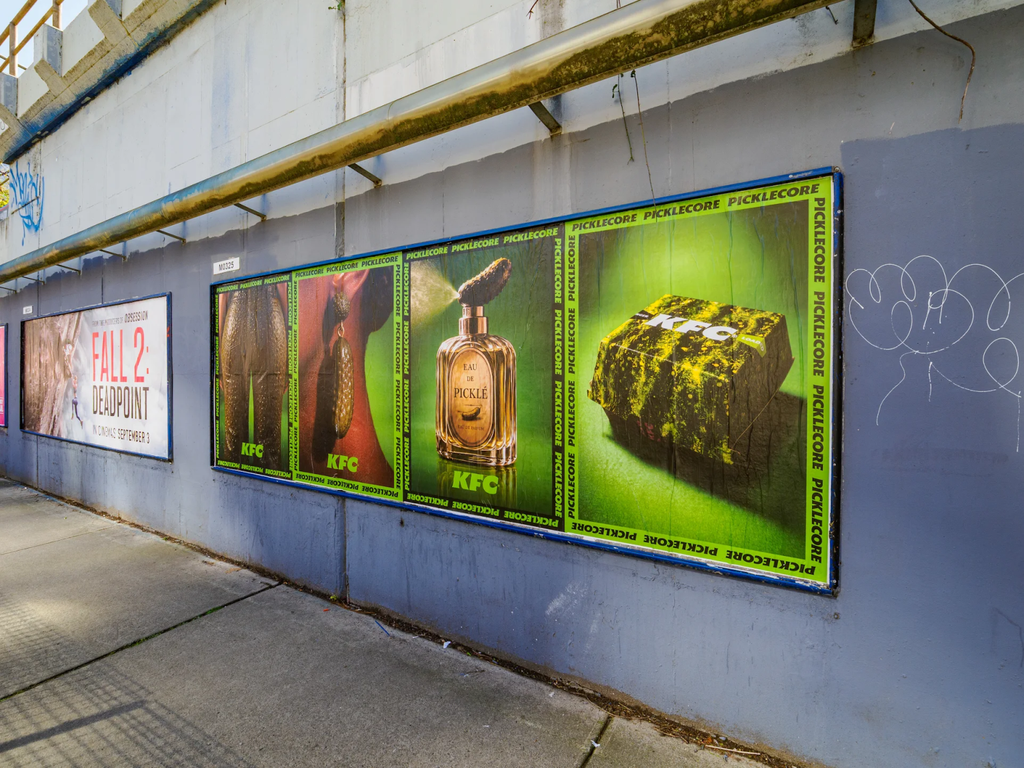
Teaser billboards advertised imaginary pickle products
Picklecore began with outdoor advertisements that appeared to promote unusual fashion and beauty releases. The billboards featured fictional products such as pickle lipstick, watches and trousers, presented with the polished photography and minimal copy associated with premium fashion campaigns.
The products were deliberately absurd, but their presentation was completely serious. This contrast helped KFC create curiosity before revealing the food behind the campaign.
Instead of immediately showing burgers or fried chicken, the teaser stage introduced Picklecore as an aesthetic people could recognise, discuss and potentially adopt.
A fashion film expanded the Picklecore world
A 15-second hero film continued the idea with stylised models, dramatic poses and a driving techno soundtrack. Its visual treatment made the campaign resemble a fashion launch more than a fast-food advertisement.
Pickles appeared as accessories and symbols of personal style, allowing KFC to exaggerate a familiar online trend. The campaign treated pickle fans like members of a growing subculture with their own colour, products and attitude.
This creative approach gave the menu a larger identity. KFC was not simply adding pickles to existing food. It was presenting pickle obsession as something customers could eat, wear and live.
KFC brined its famous red identity in green
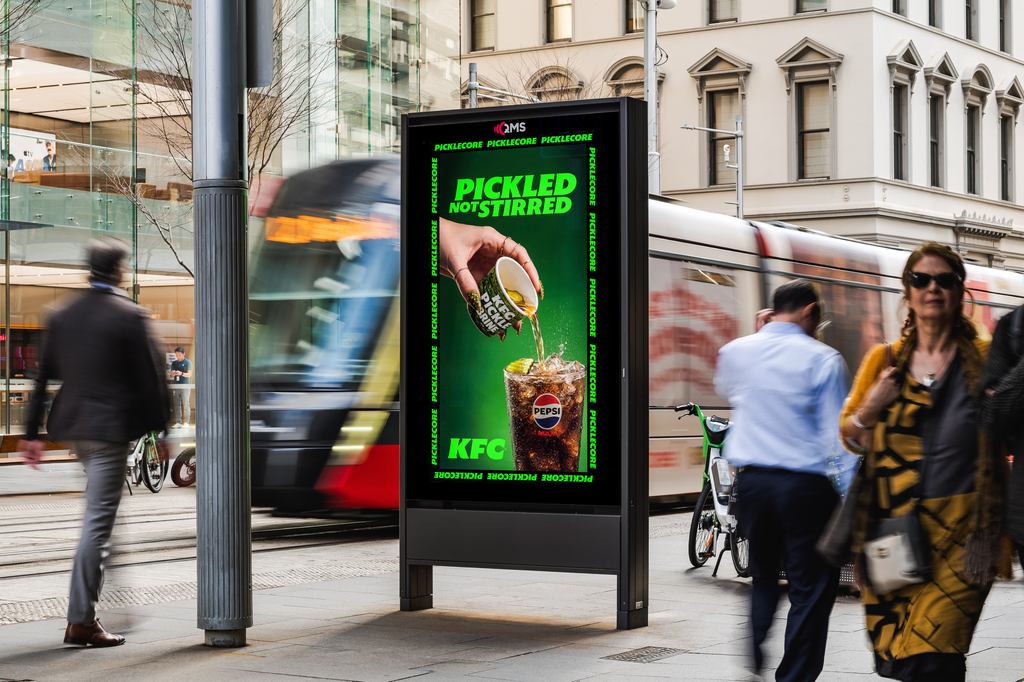
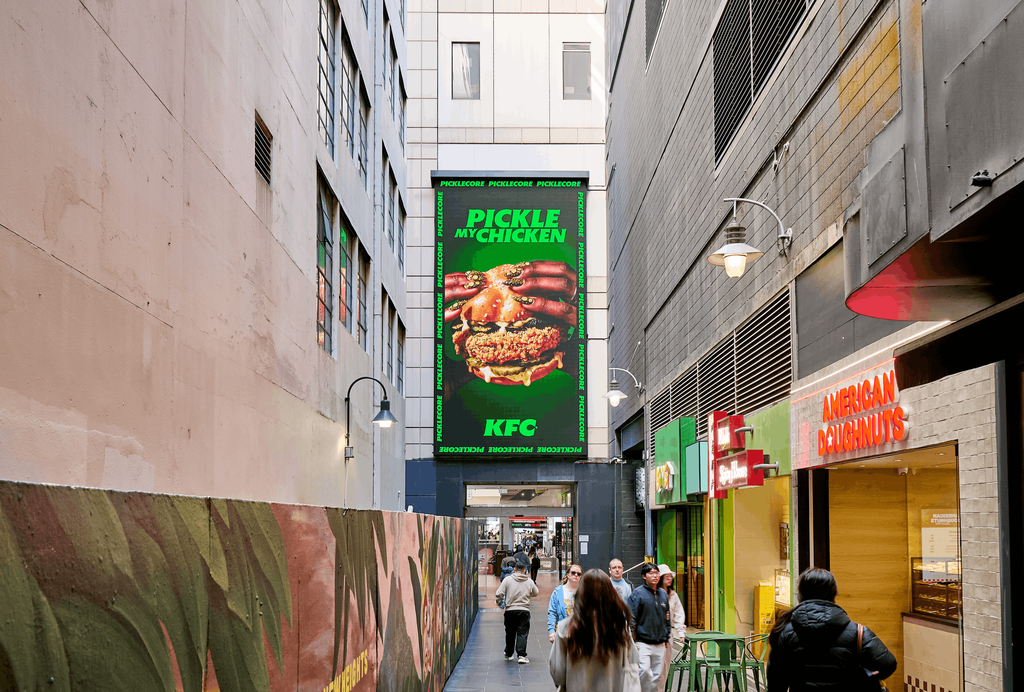
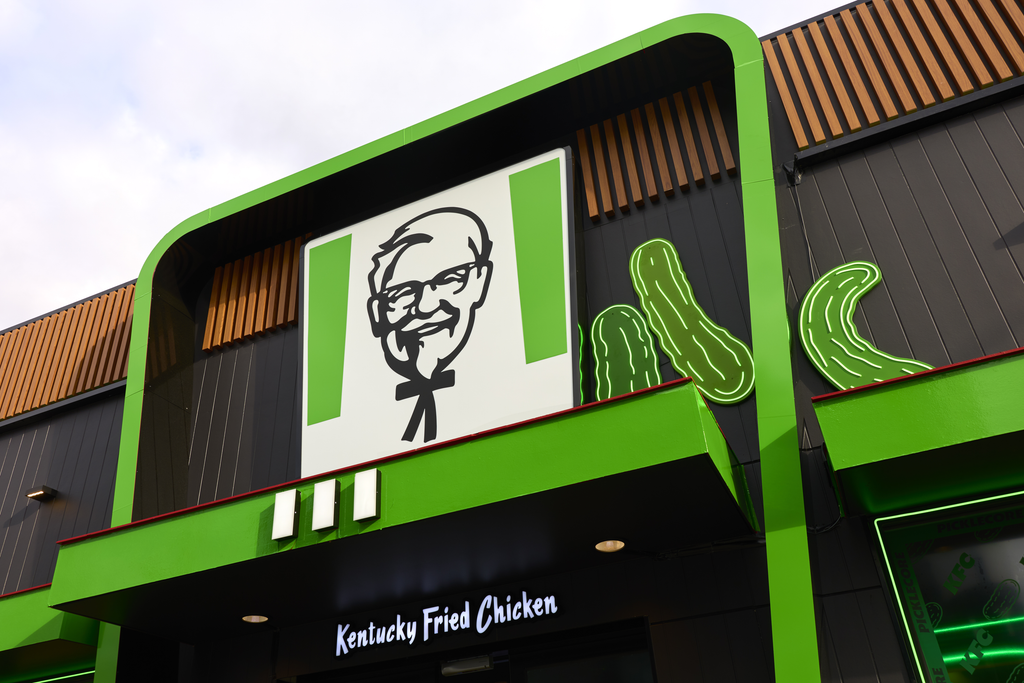
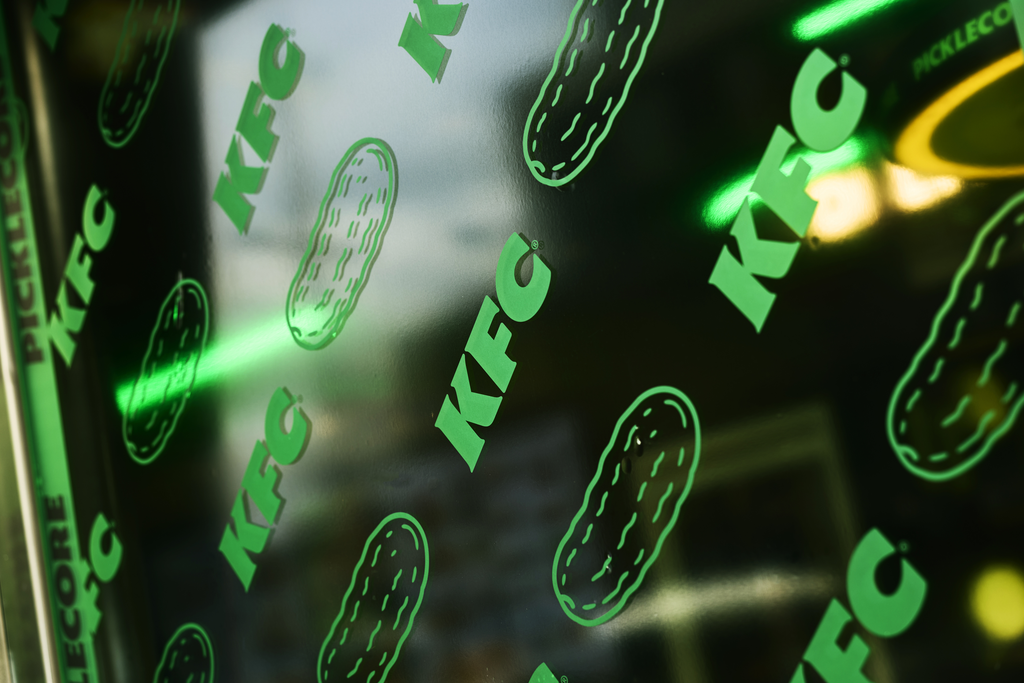
The transformation extended to KFC’s branding. Its familiar red was temporarily replaced with a bright gherkin green across campaign materials and selected physical spaces.
Changing such a recognisable brand colour could have made the work feel less connected to KFC. However, the brand relied on its equally recognisable fried chicken, packaging and restaurant design to maintain that connection.
The green identity made the campaign immediately distinctive while demonstrating how completely KFC was willing to commit to the Picklecore idea.
A flagship restaurant became a pickle installation
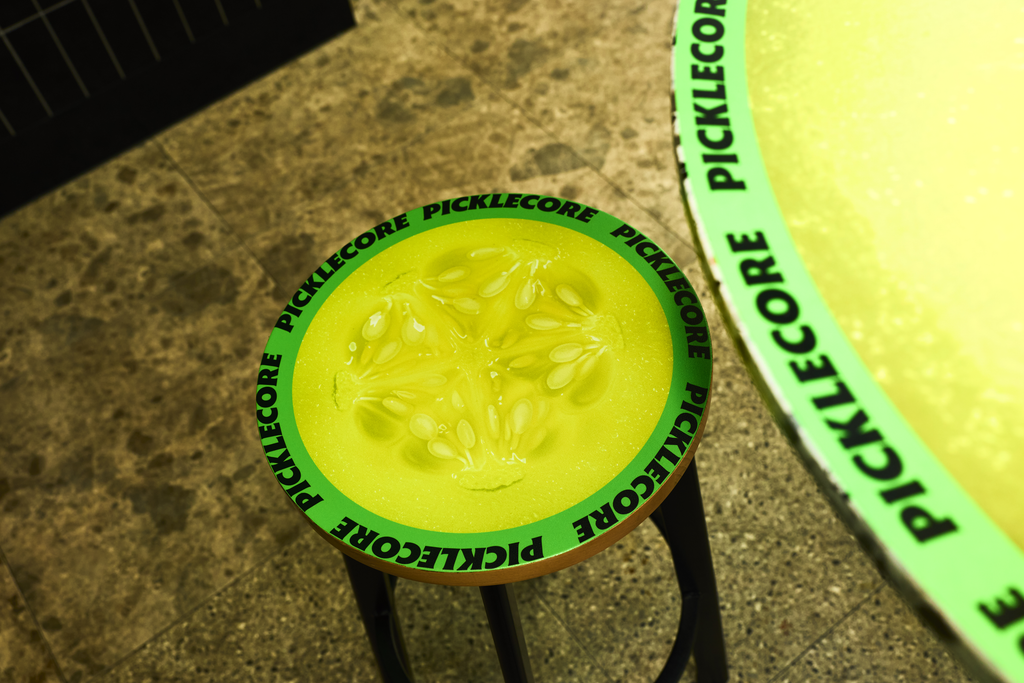
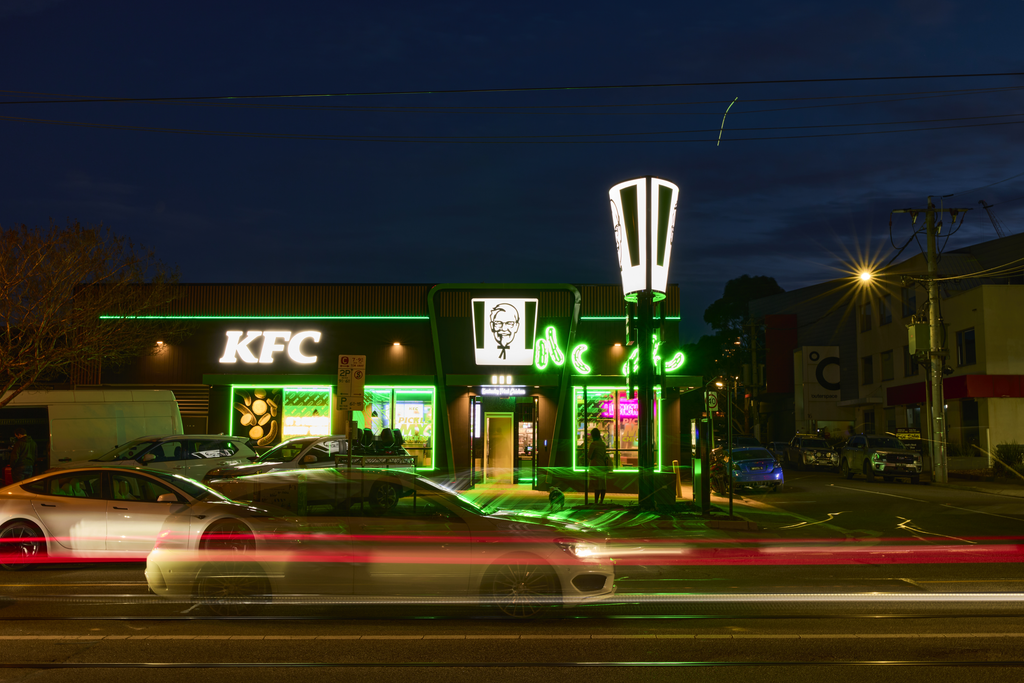
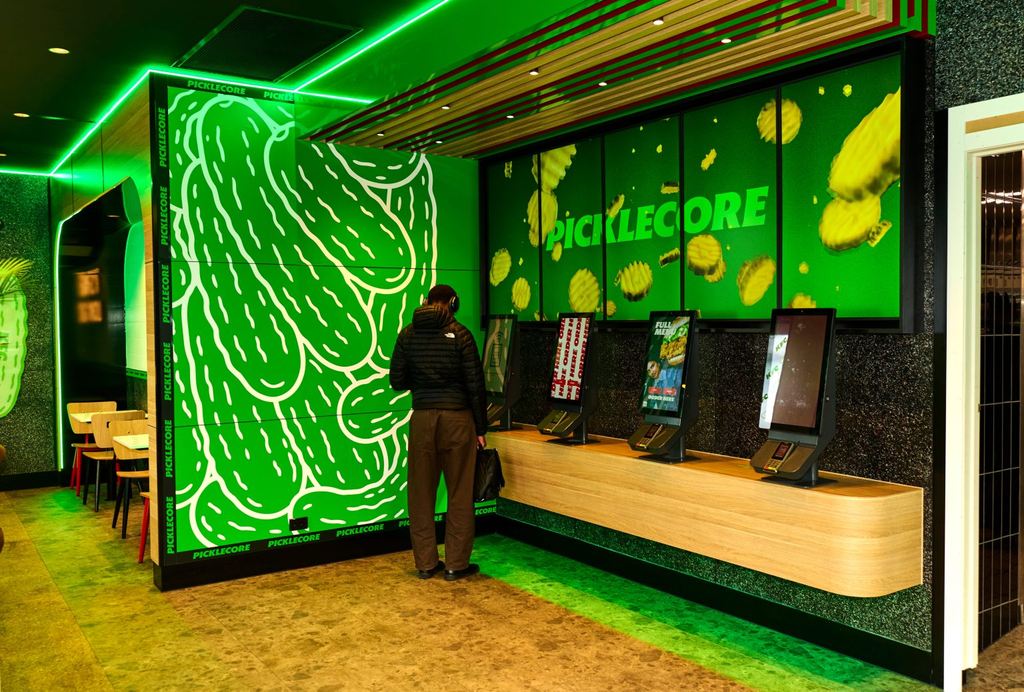
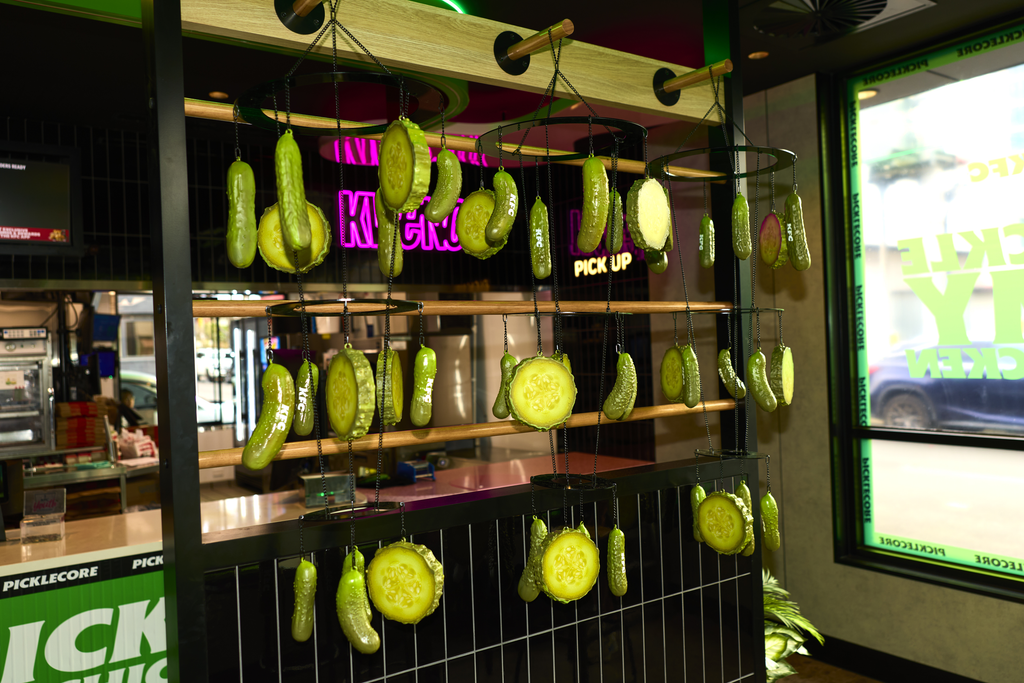
The most physical expression of the campaign was a takeover of a flagship KFC restaurant. Neon-green lighting, pickle murals, themed stools and suspended pickle decorations turned the space into an immersive Picklecore environment.
A specially engineered three-tier pickle chandelier became the centrepiece of the transformation. The extravagant object captured the campaign’s approach by treating an everyday food ingredient with the seriousness normally reserved for luxury design.
The restaurant takeover allowed customers to enter the world introduced through the billboards and film. Picklecore therefore became more than a visual campaign. It became a place people could visit and experience.
The limited menu completed the lifestyle
At the centre of the campaign was a limited-edition menu created for pickle enthusiasts and the “pickle-curious.” It included the Pickle Burger, Frickles, Pickle Loaded Chips, pickle sauce and Pickle Pepsi Max.
The unusual drink extended the flavour beyond food, while Frickles and loaded chips gave customers several ways to participate in the launch. Packaging and presentation carried the green visual identity through the complete meal.
By building a fictional fashion movement around the menu, KFC gave customers more reasons to notice and talk about products available for only a limited period.
Picklecore showed how a food launch can become a cultural idea when every part of the campaign supports the same distinctive world. From imaginary lipstick to a pickle chandelier, KFC treated the ingredient with enough commitment to make the joke feel like a genuine trend.
Credits
Picklecore, 2026. KFC Australia. Creative agency Special Australia. Experiential production by Those That DO. KFC SOPAC Chief Marketing Officer Vanessa Rowed. Special Co-Chief Creative Officers and Partners Tom Martin and Julian Schreiber. Those That DO Creative Director Claire Sutton. Audio and social activity featuring Luisa Dal Din. The campaign ran throughout September 2026 across outdoor, film, social media, audio and an experiential restaurant takeover.
About the work
Campaign details
- Brand
- KFC
- Agency
- Special Australia
- Country
- Australia
- Year
- 2026
Related
More in Editor's Pick

Popular
Popular posts

More stories