Spotlight
The World Will Wait: Coca-Cola asked people to pause for shared meals
 By Archit
·
·
5 min read
By Archit
·
·
5 min read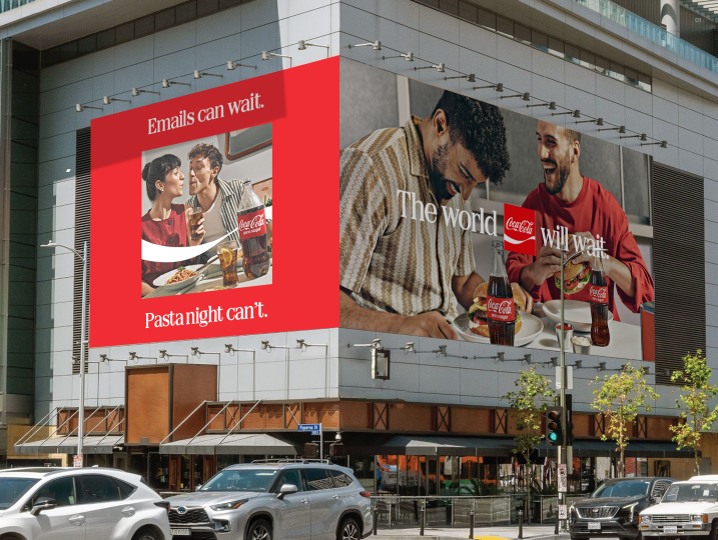
In August 2026, Coca-Cola launched a global campaign asking people to stop treating every notification, email and task as urgent. The World Will Wait reminds people that everyday distractions can wait while a meal with someone they care about cannot. WPP Open X created the campaign, led by Grey and supported by Ogilvy, WPP Production and WPP Media.
The message was simple.
The world would still be there after dinner.
Everyday urgency became the thing to challenge
Modern life gives people an endless supply of reasons to delay time together.
There is another email to answer. Another meeting starts soon. A laptop stays open during dinner. Meanwhile, phones keep pulling attention away from the person sitting across the table.
Coca-Cola built The World Will Wait around those ordinary interruptions.
The campaign was designed particularly with Gen Z and Millennial audiences in mind. However, its observation reaches much further. Work, screens and schedules can make even a simple meal feel like something that needs to be fitted between more important tasks.
The campaign reverses that order.
A shared meal becomes the thing worth protecting. Everything outside it can wait a little longer.
That gave Coca-Cola a natural role in the story. The brand has spent decades appearing beside food, family gatherings and social occasions. Here, the drink does not create the connection by itself.
It sits at the table while people choose to give one another their attention.
The headlines gave ordinary plans more urgency
Outdoor work carried the campaign through short comparisons between daily distractions and shared meals.
One large execution read, “Emails can wait. Pasta night can’t.”
Beside it, photography showed people eating together with Coca-Cola bottles on the table. Another large image carried the campaign line, “The world will wait.”
The writing changed the usual hierarchy of importance.
Emails often arrive with deadlines, alerts and expectations. Pasta night sounds informal. Still, the campaign argued that the informal moment may be the one that deserves immediate attention.
That structure gives the platform room to grow.
Different tasks can be placed against different meals, people and occasions. The first half represents whatever is pulling someone away. The second half gives them a reason to stay.
The outdoor format helps because the copy can be understood quickly.
There is no long explanation about screen time or work-life balance. Instead, one sentence asks people to reconsider what really needs their attention right now.
The films put distraction inside relationships
The campaign also includes films titled Laptop Face and The Most Important Meeting.
Their names extend the same tension seen in the outdoor work.
A laptop represents the work that follows people beyond the office. A meeting sounds important because modern working life has trained people to treat it that way.
However, The World Will Wait asks what happens when those responsibilities compete with another kind of meeting.
Dinner with a partner. A meal with friends. Time with family.
The campaign does not ask people to abandon work or ignore responsibilities. Instead, it focuses on a smaller decision. For the length of one meal, attention can belong to the people at the table.
That makes the platform less about escaping modern life and more about interrupting its pace.
The Coca-Cola bottle becomes part of that pause.
Shared meals continue a familiar Coca-Cola story
Food and human connection have remained recurring parts of Coca-Cola advertising.
The brand has repeatedly placed itself beside restaurant orders, home cooking and meals between friends. The World Will Wait continues that relationship while giving it a more specific tension.
The problem is not finding food.
It is finding uninterrupted time to eat it together.
That distinction suits the moment. People can be physically present at the same table while their attention remains somewhere else. A phone notification or work message can enter the meal without anyone leaving their chair.
The campaign therefore treats presence as more than being in the room.
It means deciding that the person beside you deserves a few minutes without competition from everything outside.
At the same time, Coca-Cola keeps the message light enough for commercial advertising. The outdoor lines use familiar situations rather than warnings about technology. The campaign is inviting people towards a meal rather than lecturing them about their habits.
What Made It Different
The World Will Wait gives urgency to something that advertising often presents as relaxed.
Shared meals are usually shown as warm, comfortable occasions. Coca-Cola adds another thought. They are also temporary.
The pasta gets cold. People leave. The evening ends.
Meanwhile, an inbox can still be opened later.
That idea gives the campaign line its strength. “The world will wait” sounds enormous, but the action it asks for is small. Close the laptop. Leave the message unanswered for a moment. Eat with someone.
The campaign is still new, so no performance results have been published in the material available so far.
Its central thought does not depend on them.
Coca-Cola is asking people to delay the things that constantly demand attention.
Because the people at the table should not always be the ones asked to wait.
Credits
The World Will Wait (2026) — Coca-Cola, global. Creative: WPP Open X, led by Grey. Supporting agencies: Ogilvy, WPP Production and WPP Media. Films: Laptop Face and The Most Important Meeting. Media: film, outdoor and social. Further creative and production credits were not publicly confirmed in the launch material reviewed.
Related
More in Spotlight

Popular
Popular posts



More stories