Spotlight
Lime Guides: Corona laser-etched the perfect cut into real limes
 By Archit
·
·
5 min read
By Archit
·
·
5 min read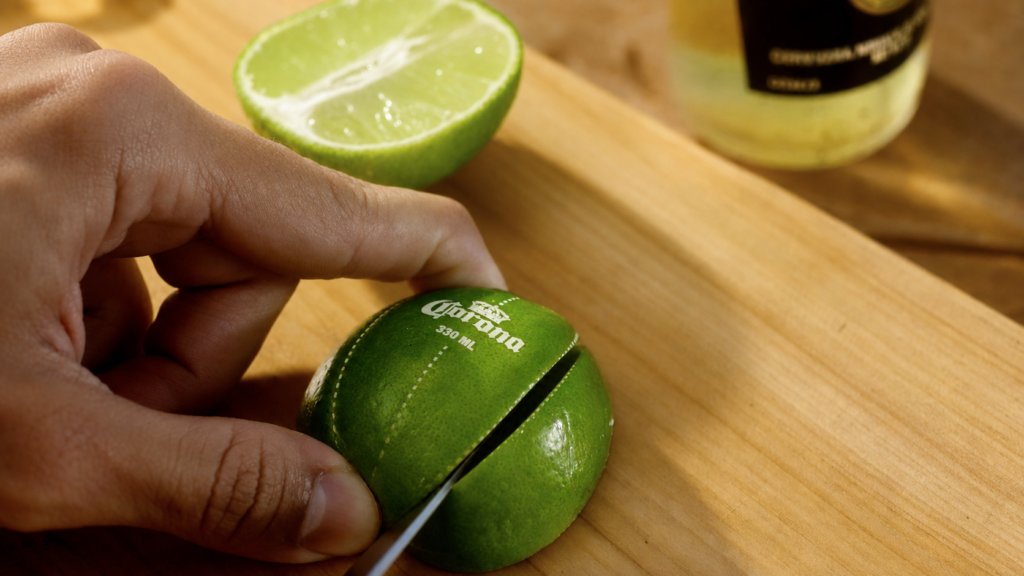
On 10 March 2026, Corona released real limes marked with dotted cutting lines. The guides showed people where to slice so each wedge would fit neatly into a Corona bottle or can. Grey Global created Lime Guides and launched the project on International Lime Day.
The beer stayed the same. Corona redesigned the fruit served with it.
A small problem interrupted a familiar ritual
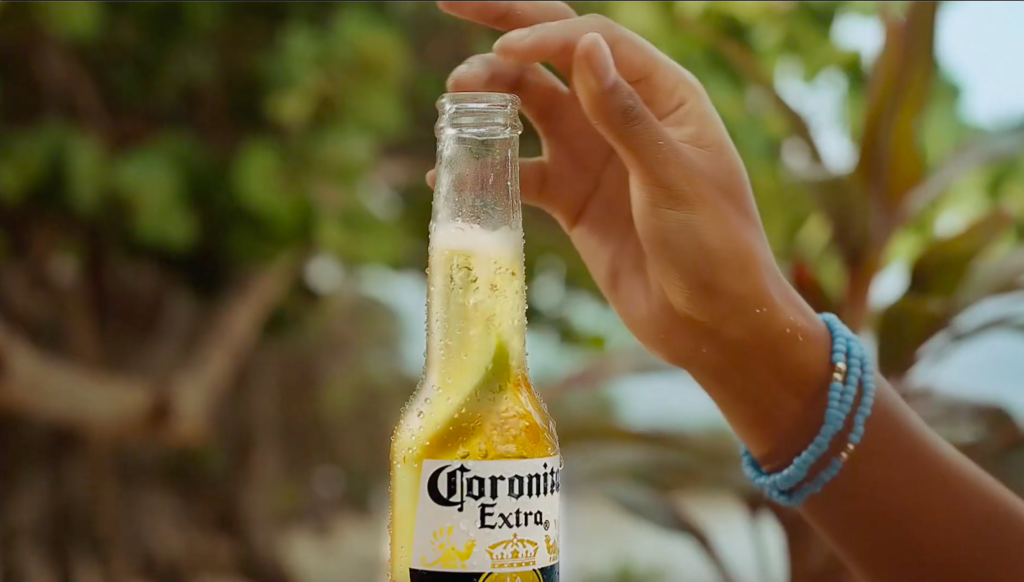
The lime wedge has become closely connected with drinking Corona.
However, cutting the wedge does not always go smoothly. A thick slice can become trapped in the neck of the bottle. A smaller piece may fall apart before reaching the beer.
The problem lasts only a few seconds. Still, it interrupts the simple ritual that the brand has spent years building around its product.
Corona could have shown people a cutting tutorial through a film or printed instructions on a pack. Instead, Grey placed the instructions on the lime itself.
That decision kept the solution inside the experience.
The customer did not need to search for a video or remember a recommended measurement. The fruit showed them where to place the knife.
The lime became its own instruction manual
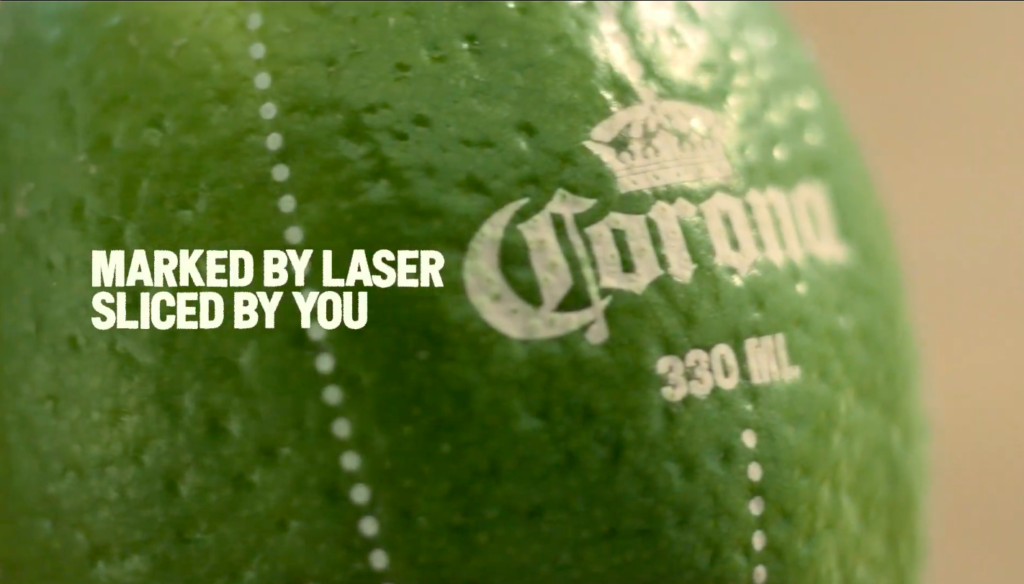
Corona used food-safe UV laser technology to mark fine cutting guides on the skin of real limes.
The process did not require an ink label, plastic wrapper or printed card. It lightly changed the surface of the fruit, creating what the campaign described as a natural fruit tattoo.
People could follow the dotted lines and cut a wedge designed for the opening of their Corona.
Furthermore, the project included different guide sizes for different formats. A wedge intended for a can did not need to follow the same dimensions as one prepared for a narrow bottle or a larger container.
The markings therefore performed a practical job. They were not simply a Corona logo placed on produce.
The lime became a small piece of product design.
It solved the problem before the drink was opened.
Corona entered the fruit aisle
More than 25,000 Lime Guides were made available through over 30 retail locations across three continents during the initial rollout.
People in participating markets could also order them through local delivery services. Meanwhile, digital films and campaign images introduced the idea across trade, social and online channels.
The retail placement gave Corona access to a part of the shop where beer advertising rarely appeared.
A shopper could encounter the campaign while choosing fruit, before reaching the drinks section. The lime then became a reminder to buy the beer it had been designed to accompany.
That reversed the usual order of the ritual.
People normally bought Corona first and looked for a lime afterwards. With Lime Guides, the fruit could create the desire for the drink.
The execution also turned an ordinary supermarket item into media. A single lime could demonstrate the idea while sitting inside a produce display, shopping basket or home delivery order.
Corona did not need to cover the fruit aisle with conventional posters. The product beside the beer had become the advertisement.
The guide protected the brand ritual
Lime Guides addressed something larger than an incorrectly cut piece of fruit.
The lime ritual helps distinguish Corona from other beers. It creates an action people can repeat, photograph and connect with the brand.
However, a ritual only remains useful when it is easy to perform.
Grey improved that experience without changing its familiar parts. People still selected the lime, cut it and placed it into the drink. The campaign simply removed some of the guessing.
That made the idea feel natural to Corona. Another beer brand could copy the laser technology, but the solution would not carry the same meaning without the existing connection between Corona and lime.
The work later won Gold in Direct for Small-Scale Media at Cannes Lions 2026.
No independently verified sales or usage results have been published with the launch information. Therefore, the strongest evidence remains the design of the object itself and its international retail rollout.
What Made It Different
Lime Guides found the advertising opportunity beside the product rather than on it.
Corona did not create a new bottle, flavour or serving tool. It changed a natural ingredient that customers were already using.
The solution also explained itself. Someone did not need to read a long headline before understanding the dotted lines. The moment they picked up the lime, the purpose became clear.
More importantly, the brand solved the problem through the object causing it.
The wedge was difficult to cut correctly.
So Corona taught the lime to show people how.
Credits
Lime Guides (2026) — Corona, global. Agency: Grey Global and Grey New York. Global Group Creative Director: Alvaro Soto. Brand leadership: Clarissa Pantoja, Global Vice President of Corona. Production and experiential: Frequency Pictures. Media: retail, delivery platforms, digital films, trade and social. Award: Cannes Lions 2026 Gold in Direct, Small-Scale Media.
Related
More in Spotlight

Popular
Popular posts


More stories